

Cale Makar, regarded by many as the NHL’s top defenseman, faced intense scrutiny after a crucial 3-on-3 overtime play led to Team Canada’s defeat at the 2026 Milano Cortina Olympics. As Team USA celebrated their gold medal victory on Sunday, Canadian fans and analysts revisited the critical moments, debating whether errors such as a failed 5-on-3 power play, Nathan MacKinnon missing a wide-open net, or breakaway misses by Connor McDavid and Macklin Celebrini were to blame. Yet, it was Makar’s decision to retreat defensively in overtime that drew sharp criticism, as it allowed Jack Hughes to score the game-winning goal that ended the tournament in a 2-1 loss.
Makar became trapped near center ice and failed to apply sufficient pressure on the backcheck, a surprising lapse from one of the swiftest and most skilled skaters on the ice. This single mistake overshadowed his otherwise strong tournament performance and ignited debate regarding defensive dependability, even for a player with Makar’s accolades. The incident also reignited discussions in Edmonton about the exclusion of Evan Bouchard from Team Canada.
Examining Evan Bouchard’s Absence from Team Canada’s Lineup
Despite consistent offensive output and two successful back-to-back NHL seasons, Evan Bouchard was notably absent from Team Canada’s roster. The team’s defensive unit featured high-profile names such as Makar, Devon Toews, Drew Doughty, Thomas Harley, Josh Morrissey, Colton Parayko, and Travis Sanheim, leaving little room for surprises in selection. Bouchard’s omission, while unsurprising to some, raised questions about how his defensive abilities were perceived.
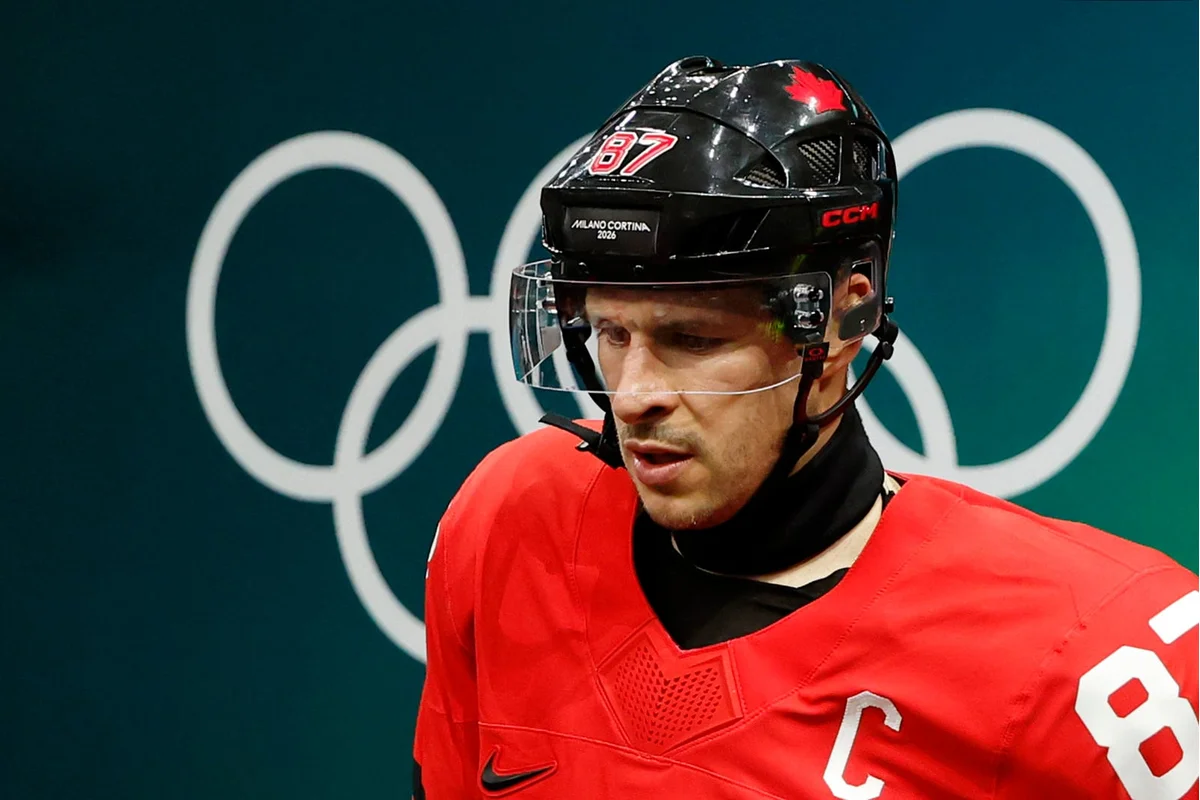
Criticism surrounding Bouchard largely centers on defensive lapses like turnovers, delayed reads, and occasional lapses in urgency—elements that have dogged his reputation from Edmonton to broader hockey circles. However, underlying statistics reveal a more nuanced picture than the common narrative suggests. This raises an important question: if Makar, considered the standard for elite two-way defensemen, can make costly errors under pressure, should the scrutiny of Bouchard’s defensive challenges be softened?
Reassessing Bouchard’s Role Amid Makar’s High-Profile Mistake
It is not to say Bouchard should have replaced Makar on the Olympic roster. Makar’s overall tournament was exceptional, bolstered by Norris Trophy contention, sound defensive stats, and flawless puck movement under pressure. His singular overtime mistake does not erase his achievements or define his performance. Nevertheless, this moment might urge some of Bouchard’s harshest detractors to reconsider their stance.
Bouchard’s offensive impact remains undeniable. Coming off an 82-point season in 2023-24 and a 67-point campaign in 2024-25, he is on pace for another impressive season with 89 points. His shooting power and underrated vision contribute heavily to his offense from the blue line. Additionally, since the 2021-22 season, Bouchard has maintained a positive plus-minus rating, which excludes power play points, indicating steady defensive contributions. When playing with confidence, he is capable of controlling the flow of the game.
While some defensive criticisms hold merit—slipping shifts or missed plays—the context is critical. Bouchard logs significant ice time, handles the puck frequently, and risks are inherent in his style of play. His performance elevates in big games, including the playoffs, suggesting a value that may exceed public perception. Therefore, drawing a direct comparison between Makar’s isolated misstep and Bouchard’s absence from the Olympic squad reveals complexity rather than a simple cause-effect relationship.
What the Future Holds for Bouchard and His Olympic Prospects
Bouchard’s path forward is clear if he wants to be a regular fixture on Team Canada’s radar. By reducing avoidable risks in less consequential moments and maintaining defensive focus consistently throughout the season, he can transform “almost” plays into successful stops and risky passes into precise, intentional outlets. This refinement would make his offensive talents impossible to overlook and minimize concerns about his defensive reliability.
If Bouchard can achieve these improvements, his offensive ceiling, combined with a more secure defensive presence, would strongly position him for future Team Canada consideration, potentially in the next Olympic cycle. Makar’s overtime miscue neither justifies nor completely nullifies criticisms aimed at Bouchard; rather, it underscores the human aspect of hockey defense. The game is fast, decisions are instantaneous, and even the most elite defensemen can be exposed in fleeting moments.
As discussions continue, Bouchard’s case functions as a reminder that defensive performance is defined by overall patterns and recovery abilities—not perfection. The turbulent debate sparked by Makar’s playoff lapse may spark a more balanced view toward players like Bouchard, who strive to refine their game amid intense pressure and expectations.
