
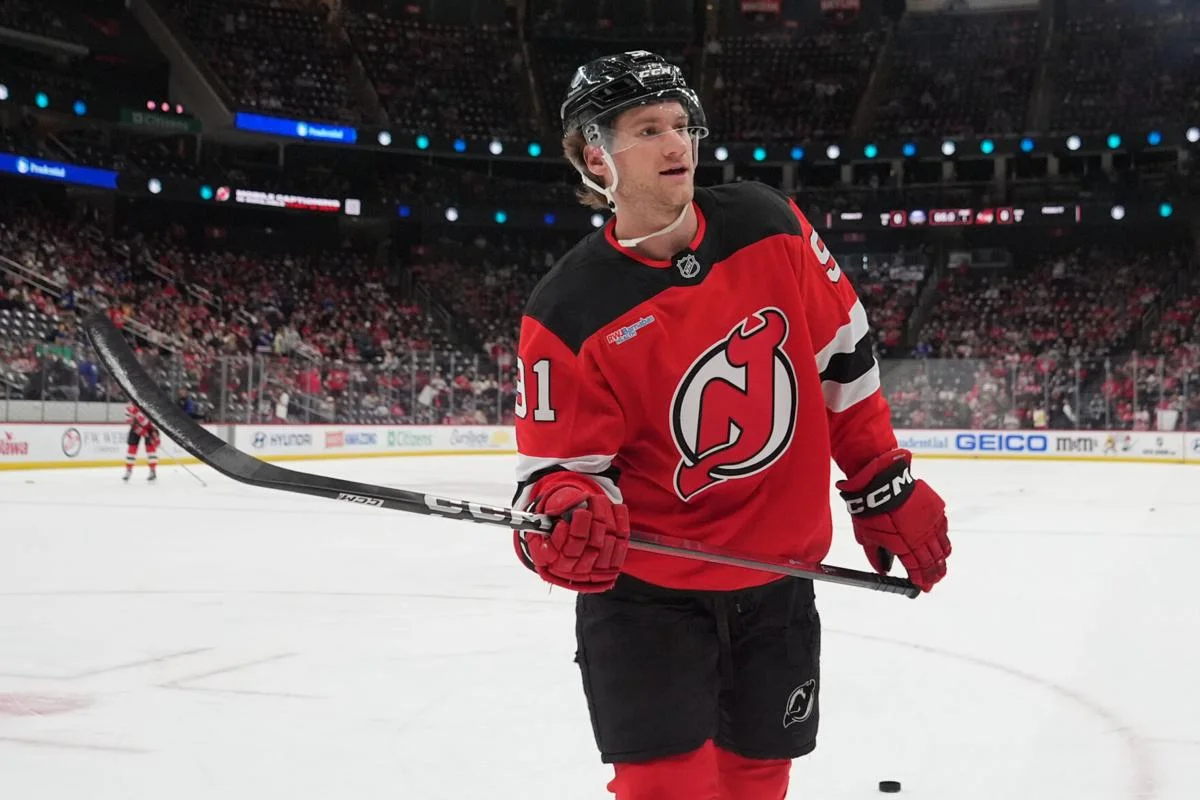
As the NHL Trade Deadline approaches this Friday at 3 p.m., the New Jersey Devils are positioned to be major sellers amid ongoing struggles. Following a 1-2-0 result since the Olympic break, the Devils have failed to gain momentum toward the playoffs despite Jack Hughes’s recent game-winning performance, heightening Dawson Mercer trade speculation and other potential roster moves.
Key Players Likely to Be Traded by the Devils
Analysts widely agree that defenseman Dougie Hamilton is the most prominent name expected to move before the deadline. Experts highlight his offensive skill set, right-shot capability, and the contract flexibility his departure would provide as key reasons for his trade appeal. Several voices suggest that Hamilton’s potential suitors include contenders such as the Edmonton Oilers and Dallas Stars, with the hope that his no-trade clause (NTC) might be waived to facilitate a deal.
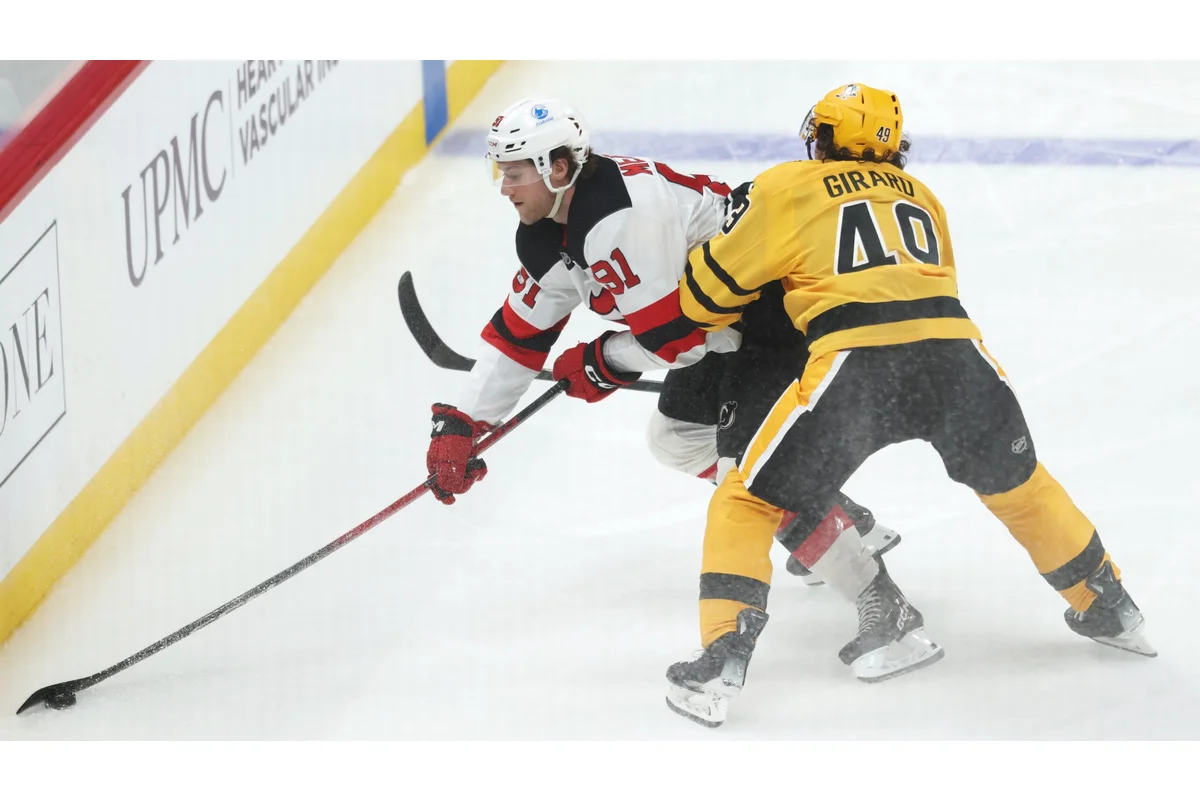
Beyond Hamilton, others see Dawson Mercer emerging as a significant trade candidate. Although some would prefer a broader team rebuild centered on Jack Hughes and Nico Hischier, Mercer’s value and status as a promising player make him attractive trade bait. Additional names mentioned as possible moves include Jesper Bratt, Paul Cotter, and even Timo Meier, with Cotter’s affordable contract and role as a bottom-six forward making him a viable asset to acquire returns for.
Craig Patrick observes the challenges general manager Tom Fitzgerald faces with player no-trade clauses and salary cap constraints, pointing to Hamilton as a likely trade exception given these limitations. Meanwhile, voices like Neil Villapiano emphasize the importance of moving a high-value asset like Hamilton to maximize offseason retooling opportunities.
Players the Devils Might Pursue at the Deadline
Looking outward, experts identify several attainable targets the Devils should consider to address scoring issues and balance the roster. Shane Wright, a highly touted young center, is suggested as an ideal pick in line with a retooling strategy aimed at developing younger talent around Hughes.
Other top names include forward Jordan Kyrou and Robert Thomas from the St. Louis Blues, who could provide immediate offensive boosts. The appeal of Kyrou is reinforced by his current 33 points this season and potential to fill the Devils’ scoring void. The return of Blake Coleman is also floated as a possibility, potentially bringing veteran leadership at a reasonable cap hit.
More speculative choices include Jason Robertson and Bryan Rust, both of whom would add proven scoring depth if acquisition terms align. Kiefer Sherwood of San Jose is mentioned for his physicality and offensive upside, though concerns over contract extension costs remain. Some commentators dream bigger with players like Auston Matthews or even Connor McDavid, though realistically these are less feasible.
Expected Number of Trades and Strategic Moves
The projected volume of transactions ahead of the deadline varies across analysts, with estimates generally ranging from two to five trades. Some forecast a flurry of activity including multiple sales and a few acquisitions aimed at correcting roster weaknesses. Five trades—three to four clearances combined with one or two additions—represent an aggressive scenario that reflects frustration with the current lineup’s performance.
Others anticipate a more measured approach, expecting two to three moves focused primarily on shedding salary and acquiring solid assets. The possibility of two deals is commonly mentioned as the baseline, typically involving Hamilton as the marquee outgoing player alongside one or two minor moves. The expected trades are seen as crucial to easing the salary cap situation while repositioning the team for future growth.
Some predict the turnover might extend to players like Evgenii Dadonov or Paul Cotter to infuse depth and generate draft capital. One analyst foresees a mix of minor and major trades, with an inexplicable cap-straining acquisition of a depth defenseman that could hinder young players like Simon Nemec from gaining ice time.
Criteria for Judging the Deadline’s Success for the Devils
A successful trade deadline for the Devils hinges on acquiring appropriate returns for key outgoing players, particularly Dougie Hamilton. Achieving at least a second-round draft pick or better in exchange for Hamilton is widely seen as a must. Additional trades should ideally exceed expectations by bringing in significant assets, whether through prospects or draft picks, while improving roster composition defensively and offensively.
Keeping young players such as Lenni Hameenaho and Arseny Gritsyuk on cost-effective entry-level contracts is also identified as crucial, as trading them prematurely for older rentals could frustrate fans and harm long-term rebuilding efforts. Proactive moves that enhance the team’s future prospects while addressing salary cap constraints will define a successful deadline.
Participants emphasize that failure will occur if the front office hesitates or opts for short-term fixes. Stagnation, overpaying for rentals, or trading away prime young assets for veterans would represent missed opportunities and erode team value. Maintaining the core while bringing in scoring help and shedding burdensome contracts aligns with the best-case scenario.
Potential Indicators of a Disappointing Deadline Outcome
Trade deadline failure will be evident if the Devils avoid moving Dougie Hamilton, failing to capitalize on his market value and prolonging salary cap issues. Desperation moves aimed solely at preserving current jobs without strategic vision are cautioned against. Missteps such as trading promising young talents Lenni Hameenaho or Arseny Gritsyuk for aging players or rentals are highlighted as critical errors that should be avoided, reflecting lessons from prior mismanaged trades.
Excessive risk aversion and a lack of meaningful trades would signal a lack of commitment to improvement. The worst scenario is doing nothing while the team remains mired out of playoff contention, which could cost Tom Fitzgerald his position as general manager. Conversely, aggressive buying despite clear indications the team is not competitive this season would misallocate resources and postpone rebuilding.
Finally, the departure of players crucial to the franchise’s future such as Dawson Mercer, Brenden Dillon, or Jonas Siegenthaler without adequate compensation would be viewed as setbacks, eroding the foundation for years to come. Expert opinions converge on the necessity for measured yet decisive moves prioritizing long-term rebuilding over short-term desperation.
Implications for the Devils’ Future Direction
The upcoming NHL Trade Deadline serves as a pivotal juncture for the New Jersey Devils, signifying a likely transition from playoff contention to rebuilding. The handling of key players like Dawson Mercer and Dougie Hamilton, alongside acquisitions of promising scorers, will influence the team’s trajectory and fan morale.
Successful trades could supply critical draft capital and prospects to rejuvenate the roster, while freeing salary cap space for offseason maneuvering. Conversely, mismanagement or failure to act decisively risks prolonging mediocrity and eroding confidence in management.
As the Devils aim to balance the need for change with protecting their promising core, the decisions made during this intense deadline period will shape their competitive potential for the coming years. Fans and analysts alike will watch closely to assess whether the team’s front office can execute a strategy that mitigates current frustrations and sets a clear path forward.
