
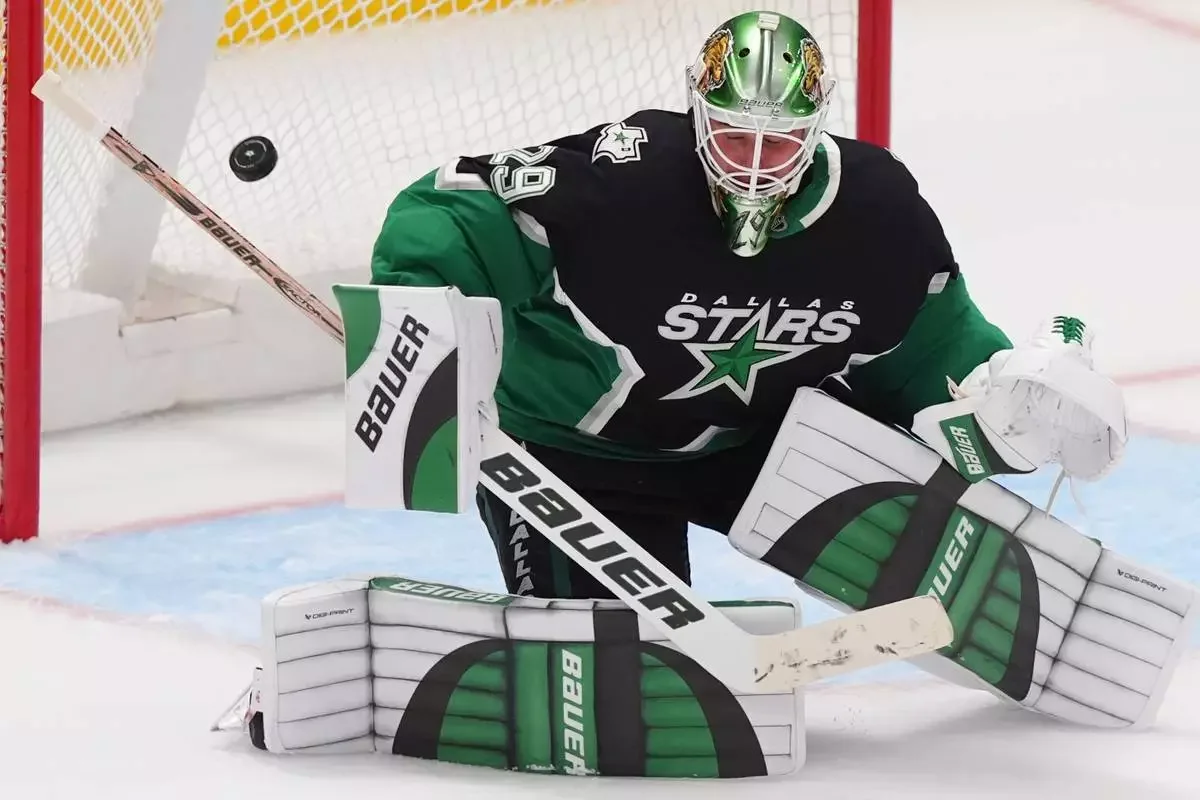
On Wednesday, the Dallas Stars followed the Minnesota Wild’s example of acquiring a Vancouver Canucks defenseman, trading for Tyler Myers in an effort to strengthen their defense ahead of a potential first-round playoff showdown. Despite missing out on Quinn Hughes, the Stars opted to add the 6-foot-8, 229-pound Myers, hoping his size and physical presence will counter Minnesota’s potent offense. However, this move comes with significant risks given Myers’ inconsistent defensive performance and discipline issues throughout his career.
Tyler Myers: The ‘Chaos Giraffe’ on Ice
Nicknamed the “Chaos Giraffe” partly due to his towering frame and also his sometimes-uncoordinated play, Tyler Myers has been a divisive figure on the blue line. His physical style often leads to chaotic moments, whether accidental or intentional, creating both opportunities and problems for his team. While his sheer size makes him a formidable presence, Myers’ defensive reliability has been frequently questioned, raising doubts about his ability to fulfill the role Dallas requires.
Why Dallas Invested in Myers Despite Known Flaws
The Stars gave up second and fourth-round draft picks and are retaining 50% of Myers’ salary through next season as a calculated gamble to slow down Minnesota’s dangerous offense. Their priority is to find a physical, right-shot defenseman capable of neutralizing threats like Kirill Kaprizov and Matt Boldy. Still, Myers’ historical struggles in defensive coverage and his tendency to take costly penalties suggest he may not effectively meet those expectations, potentially undermining Dallas’ playoff strategy.
Myers’ Troubling Track Record Over Four Seasons
According to Evolving-Hockey’s Standings Points Above Replacement metric, Myers ranks as the ninth-worst defenseman over the past four years, with a negative rating of 4.5 points. His contributions on both offense and defense fall below replacement level, and he particularly stands out for his penalty problems. Myers’ penalty differential of minus-83 is the worst among NHL players during this period, highlighting his frequent infractions that could place Dallas at a disadvantage in critical moments.
Challenges Facing Dallas’ Defensive Lineup After the Trade
The Stars’ existing defense lacked depth, with Esa Lindell as the only reliable top-four defender and younger Nils Lundkvist inconsistently filling minutes. Veterans Ilya Lyubushkin and Alexander Petrovic have not provided dependable third-pairing support. Adding Myers now puts Dallas in a tough position – they must rely on him to take on the most challenging defensive assignments, such as shutting down the Wild’s top scorers, despite his history of underperformance in similar matchups.
Matchup Concerns Against Minnesota’s Top Offense
Kirill Kaprizov and Matt Boldy have combined for 70 goals this season, presenting a daunting challenge for the Stars’ defensive corps. Myers has struggled in past encounters with Kaprizov; in 13 games against the Canucks, Kaprizov tallied nine goals and 19 points, four goals and three assists of which came while matched against Myers. The Wild’s ability to score and maintain 5-on-5 control may exploit Myers’ weaknesses, especially since his style often results in extended power plays against his team.
Power Play Vulnerabilities and Minnesota’s Discipline
The Wild feature a disciplined approach under coach Hynes, maintaining a strong penalty kill that challenges opponents’ power plays. Since pairing Hughes with Kaprizov and Boldy on the man advantage, Minnesota has achieved a 30.5% conversion rate, ranking third in the NHL. Dallas’ star-powered power play, boasting a 31.6% success rate this season, might face increased pressure due to the instability Myers could introduce, potentially leading to more penalties and reduced effectiveness.
Remaining Strengths of the Dallas Stars
Despite concerns about Myers, Dallas remains a formidable playoff contender, driven by strong forward depth and elite defensemen such as Miro Heiskanen. Heiskanen ranks among the few defensemen considered comparable to Quinn Hughes in the league, providing a critical anchor on the blue line. Even without top scorer Tyler Seguin, the Stars’ roster depth ensures they remain a dangerous hurdle for any opponent heading into the postseason.
How Myers’ Addition Might Impact Dallas’ Playoff Prospects
While the intent behind acquiring Tyler Myers was to bolster the Stars’ blue line and prepare for a tough series against the Wild, the trade could backfire if Myers’ liabilities outweigh his physical benefits. Frequent penalties and defensive lapses may grant Minnesota more power-play opportunities and allow their top scorers to exploit matchups. As a result, what should have been a strategic upgrade might instead ease Minnesota’s path in the first round, tempering hopes for Dallas’ playoff success.
