
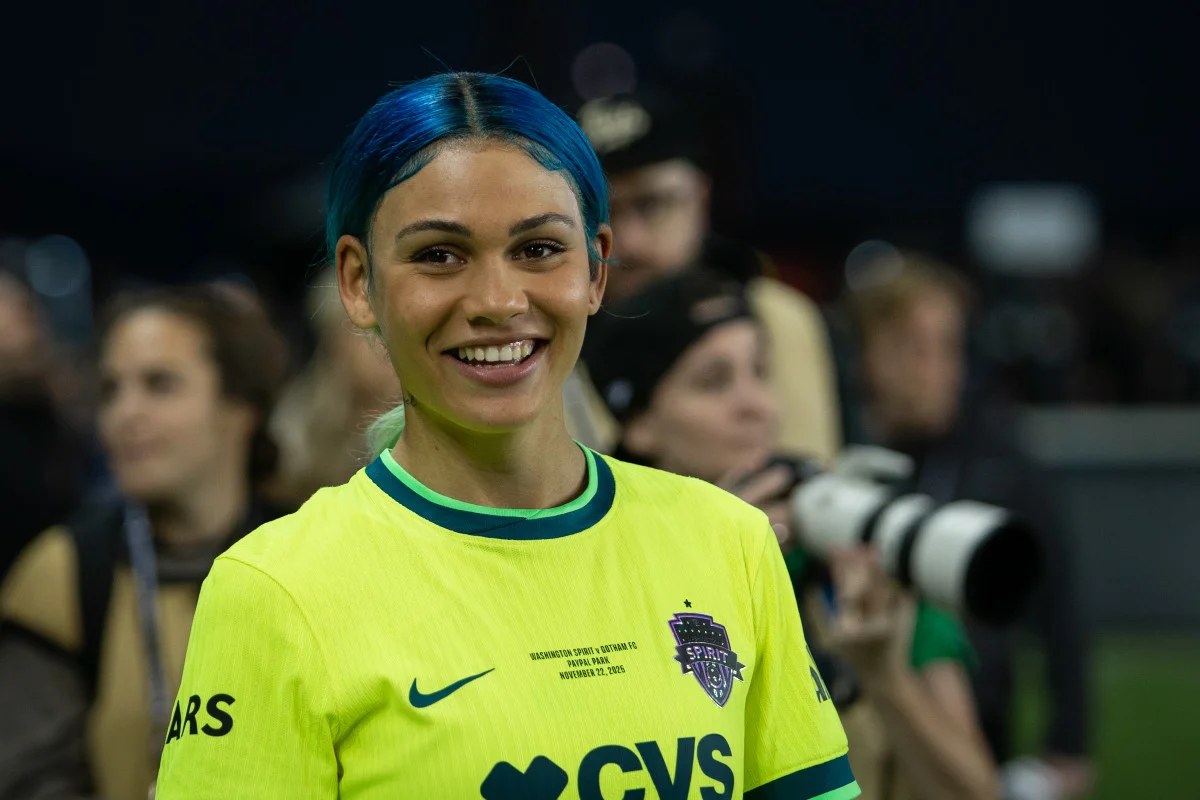
The Washington Spirit faced a challenging process to re-sign their star forward Trinity Rodman ahead of the current NWSL season. The negotiations, which extended into late last year, involved complex discussions around league salary caps amid growing scrutiny due to top USWNT players departing the league for lucrative overseas contracts. Rodman’s re-signing proved pivotal for the Spirit, a situation enabled by a new NWSL “high impact player” rule introduced in December that allows teams to exceed the salary cap by up to $1 million for key athletes, often referred to as the “Rodman rule.”
This rule, while stirring debate within the players’ union, facilitated Rodman’s decision to stay with the Spirit, sparking an expansive marketing campaign designed to connect with her hometown fans and elevate her profile nationally. The campaign launched in early February with over 100 bus shelter and billboard advertisements across Washington, DC, highlighting Rodman’s international stature and helping boost ticket sales for the Spirit’s home opener, according to Chief Marketing and Strategy Officer Kim Bolt.
Strategic Timing to Amplify Local Engagement
When Rodman’s re-signing was announced in January, she was away training with the USWNT, limiting her local presence during the news cycle. To maintain momentum, the Spirit planned a follow-up campaign centered around the significance of Rodman’s jersey number, No. 2. On February 2, exactly at 2:22 p.m., 126 digital bus shelter displays across various DC neighborhoods featured an eye-catching rendering of the number “2” in Rodman’s handwriting alongside a QR code directing people to a landing page where they could purchase two tickets to the March 13 home opener for $22.
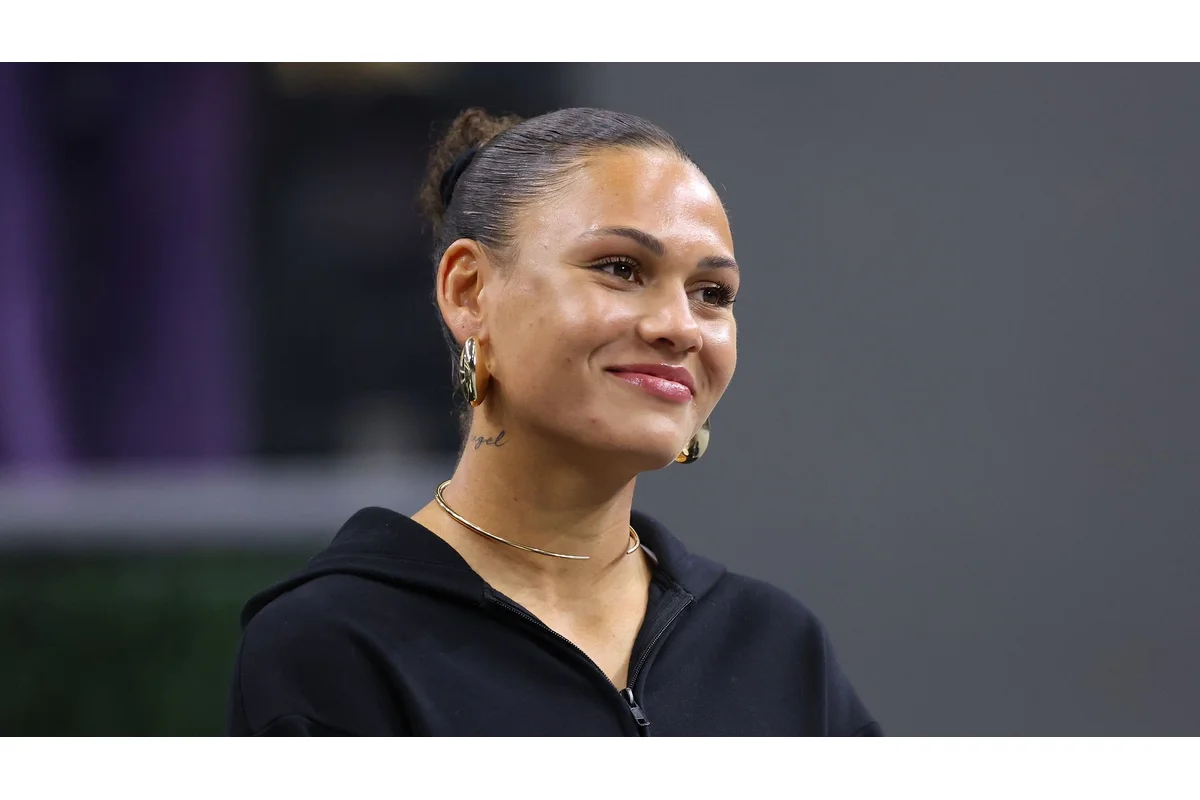
Following the initial 30-minute display of the handwritten “#2,” the advertisements transitioned to Rodman’s full signature. These visuals, complemented by additional out-of-home creative featuring Rodman with the slogan “DC is Trin’s turf,” remained prominent throughout the city for a week. According to Bolt, this “All In On 2” campaign aimed to attract both new audiences unfamiliar with Rodman and the NWSL, as well as showcase appreciation to the team’s existing supporter base.
At the re-signing event held in Los Angeles, the Spirit spotlighted young fan Emma, a soccer player who had styled her hair with pink braids matching Rodman’s iconic look from the Paris Olympics. Emma has since gained recognition through the Spirit’s most-viral Instagram post of the year, emphasizing the player-to-fan connection the club seeks to nurture.
Collaboration with Adidas Boosts Campaign Reach
Adidas, a sponsor closely associated with Rodman, contributed significantly by running its own out-of-home advertisements, including placements at Nationals Park. Bolt revealed that the Spirit and Adidas coordinated their efforts in anticipation of Rodman’s contract news to maximize impact. Together, the marketing initiatives created a broad reach, generating more than one million earned media impressions alongside an additional million from paid media strategies.
These strategies combined traditional out-of-home advertising with highly targeted digital ads on Meta platforms to capitalize on awareness and conversion opportunities. Bolt explained that while out-of-home advertising excels in generating broad awareness, it is less effective in directly prompting sales. The campaign’s “one-two punch” approach paired the large-scale physical presence with geotargeted paid digital advertisements, effectively balancing brand recognition and consumer action.
Elevating Players and Building the Spirit Brand Locally
Following the success of the Rodman campaign, Kim Bolt indicated plans to continue amplifying other Spirit players and embedding the team’s brand more deeply within the Washington, DC community as the NWSL season approaches. This focus underscores a broader aim to nurture local enthusiasm and loyalty by emphasizing individual athletes’ stories and their ties to the area.
Bolt also expressed optimism about the future of women’s professional soccer in the United States, hoping that sustained investment will encourage star players to remain in the NWSL rather than seek opportunities abroad. She highlighted the importance of rising ticket sales, viewership, and media ratings in creating a sustainable and appealing environment for players and fans alike.
“I hope that there’s been a turning point for women’s sports where it’s the norm that the ticket sales keep climbing and the viewership and ratings keep climbing,”
Bolt said.
“For some of these star players that are American, [it can mean a lot] to be playing for the NWSL on your home turf.”
The campaign surrounding Trinity Rodman’s re-signing represents a significant moment for the Washington Spirit, blending sports, marketing, and local pride to strengthen the team’s presence. The “Rodman rule” has set a precedent within the league, potentially influencing future contract negotiations for star players. As the NWSL season unfolds, the Spirit’s concerted efforts to connect with fans through strategic branding and player focus may well drive both competitive success and greater community engagement.
