
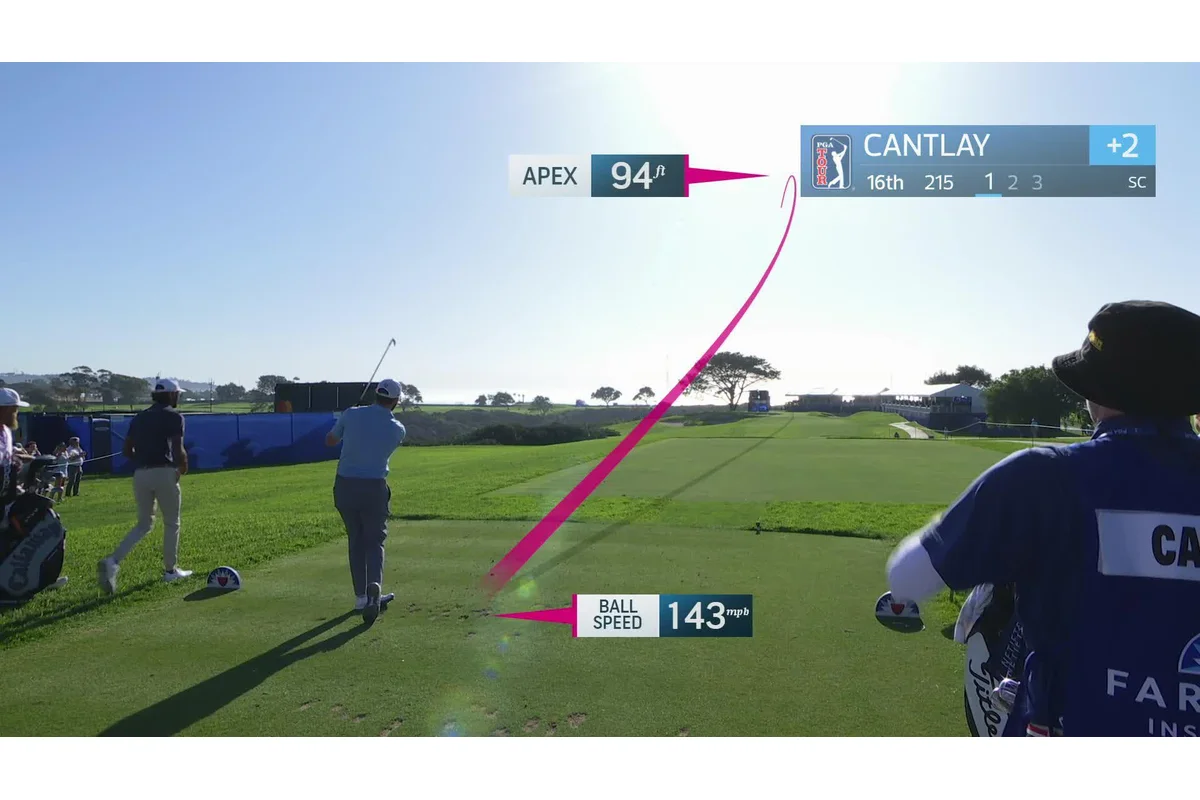
Patrick Cantlay and Scottie Scheffler have joined forces in voicing their concerns over recent alterations to PGA Tour golf courses, criticizing how restorations are impacting the challenge and character of the game. Their remarks come amid ongoing debates about whether removing trees and enlarging fairways is making courses easier and detracting from the skill needed to compete at the highest level.
These critiques arrived in early 2026 as the PGA Tour’s evolution accelerates, with both Cantlay and Scheffler highlighting how current course designs increasingly favor distance over finesse, posing a challenge to traditional golf strategies and hitting a nerve among professional golfers.
Patrick Cantlay Highlights Impact of Tree Removal on Course Difficulty
Speaking on The Golfer’s Journal podcast, Patrick Cantlay expressed how removing trees generally reduces the overall difficulty of a golf course. He explained that taking away natural obstacles like trees opens up fairways, allowing for longer drives and fewer shots requiring precise shaping or recovery. While Cantlay acknowledged the agronomic reasons behind such decisions, including improved air circulation and sunlight for better turf growth, he stressed a preference for courses retaining mature trees to test players.
“I think it definitely makes the golf course easier. There’s no doubt about it. If you just took one golf course with a bunch of trees and you took all the trees out, it would definitely be easier. I understand why they do it sometimes for agronomy reasons. If you get air flow and sunlight, it’s easier to grow grass. But I personally like the golf courses that still have a lot of their trees,”
— Patrick Cantlay, PGA Tour Professional
Cantlay pointed to examples such as Oakmont Country Club, which has removed more than 15,000 trees since 1993, in attempts to restore original vistas but in the process opened corridors that simplify shots and lessen challenges. This has sparked intense debate over whether such changes dilute competitive demand.
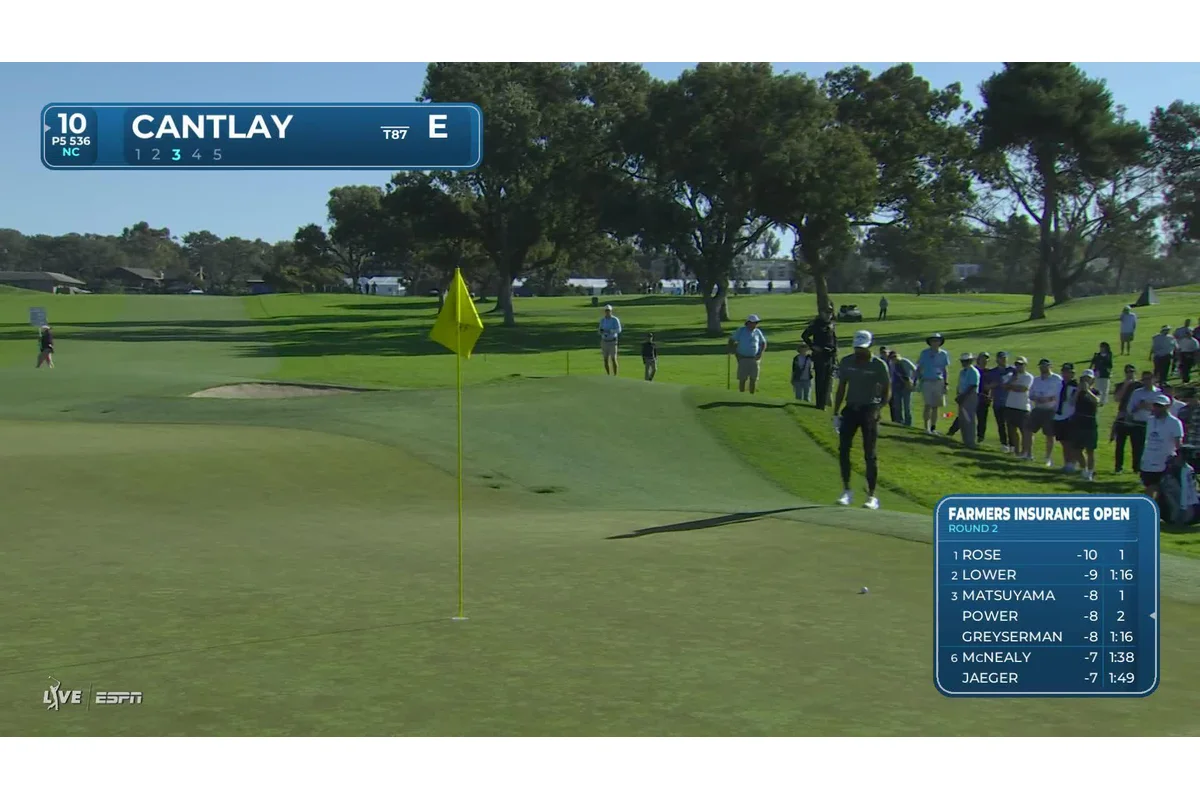
He further emphasized his desire for courses that require a broad repertoire of shot-making skills, highlighting the loss in strategic elements when trees are eliminated.
“I think it’s a great golf course. It’s hard, I can’t compare because I never played it with the trees, so I’ve only seen it really one way. But to Casey’s point, I’d love to see a newer golf course or a restoration lean in to the framing in the trees because it seems like almost everyone does the same thing. Just rips them all out,”
— Patrick Cantlay, PGA Tour Professional
Additionally, Cantlay advocates for holes that demand varied shot shapes—draws, fades, high and low trajectories—arguing that most courses today can be navigated with a single shot style, diminishing the complexity and excitement of professional play.
“And in the pro game, I’d like to see more holes that demand a draw or demand a fade or a low one or a high one, and I think often the golf courses I go to, if you hit a 5-yard cut off the tee, you can play the 5-yard cut on every single hole. And I’d love to see a little more shaping required.”
— Patrick Cantlay, PGA Tour Professional
Scottie Scheffler Voices Similar Frustrations with Course Trends
World No. 1 Scottie Scheffler echoed Cantlay’s criticisms, expressing his disapproval of the trend toward tree removal and widening fairways and greens. Scheffler explained that trees serve as critical barriers that limit players’ ability to exploit length off the tee, encouraging precision over power.
“What they are doing to golf courses now I don’t like. They take out all the trees, make the greens bigger and typically make the fairways bigger as well. So the only real barrier to guys trying to hit it as far as they want to or need to is trees,”
— Scottie Scheffler, PGA Tour Professional
Scheffler pointed to classic venues like Augusta National, TPC Sawgrass, and Harbour Town, where strategic shot-making remains essential, and course layouts demand a variety of approaches despite the advantage distance brings. At these courses, narrow fairways punish missed shots, ensuring skill remains a major factor.
Frustrated by the prevailing design trends, Scheffler has announced intentions to become involved in golf course design himself, aiming to influence the future direction of course construction and restoration.
Historical Context and Shared Commitment to Challenging Golf
The concerns raised by Cantlay and Scheffler reflect a broader tension within professional golf between maintaining tradition and embracing modern technology and player strength. Both players have demonstrated remarkable consistency and adaptability on the PGA Tour, each holding a record for consecutive rounds under 70 – a feat that underscores their mastery and demands of course difficulty.
At the 2025 Procore Championship, Scheffler’s streak of 21 rounds below 70, which tied Cantlay’s previous PGA Tour record, came to an end. This remarkable consistency across some of golf’s toughest tournaments highlights their ability to excel on demanding layouts.
“I think it was a pretty frustrating day overall,”
“I felt like I did some things well out there, I just wasn’t quite getting the reward.”
— Scottie Scheffler, PGA Tour Professional
The parallel between these two athletes extends beyond scores to their shared advocacy for maintaining courses that challenge creativity, accuracy, and strategy. They favor layouts that reward skillful shot-shaping and penalize imprecision, placing them at odds with trends favoring wide-open spaces and longer driving distances.
Maintaining Tradition Amid Course Changes
Restorations modeled after Oakmont’s extensive tree removal have been implemented at prestigious courses like Winged Foot, Merion, and Medinah, fueling debate about playability and tradition. Many professionals emphasize that trees serve essential roles—not only adding visual appeal but also aiding in shot alignment and enforcing tactical decisions.
Courses such as Cypress Point and Seminole still preserve sprawling mature trees that frame holes and set up natural shot requirements like fades or draws, which balance risk and reward and increase excitement on tournament days.
Similarly, legendary courses including Pebble Beach Golf Links and Riviera incorporate angled, tree-lined fairways that demand precision, testing a player’s ability to shape shots carefully rather than relying solely on power.
Implications for the Future of PGA Course Design
The debates sparked by Cantlay and Scheffler signal a growing divide between architectural trends that prioritize pace and maintenance efficiency and the players’ desire for courses that uphold golf’s strategic complexity. Their critique shines a spotlight on how course design directly influences competitive balance and spectator excitement.
With Scottie Scheffler’s announced interest in course design, there may be a shift toward more player-focused input in future restorations or new builds, potentially reversing some recent trends favoring simplification.
Their combined influence, both on and off the course, is likely to provoke further discussion within the PGA Tour community, shaping how golf courses evolve to challenge the top talents while respecting the game’s heritage.
