
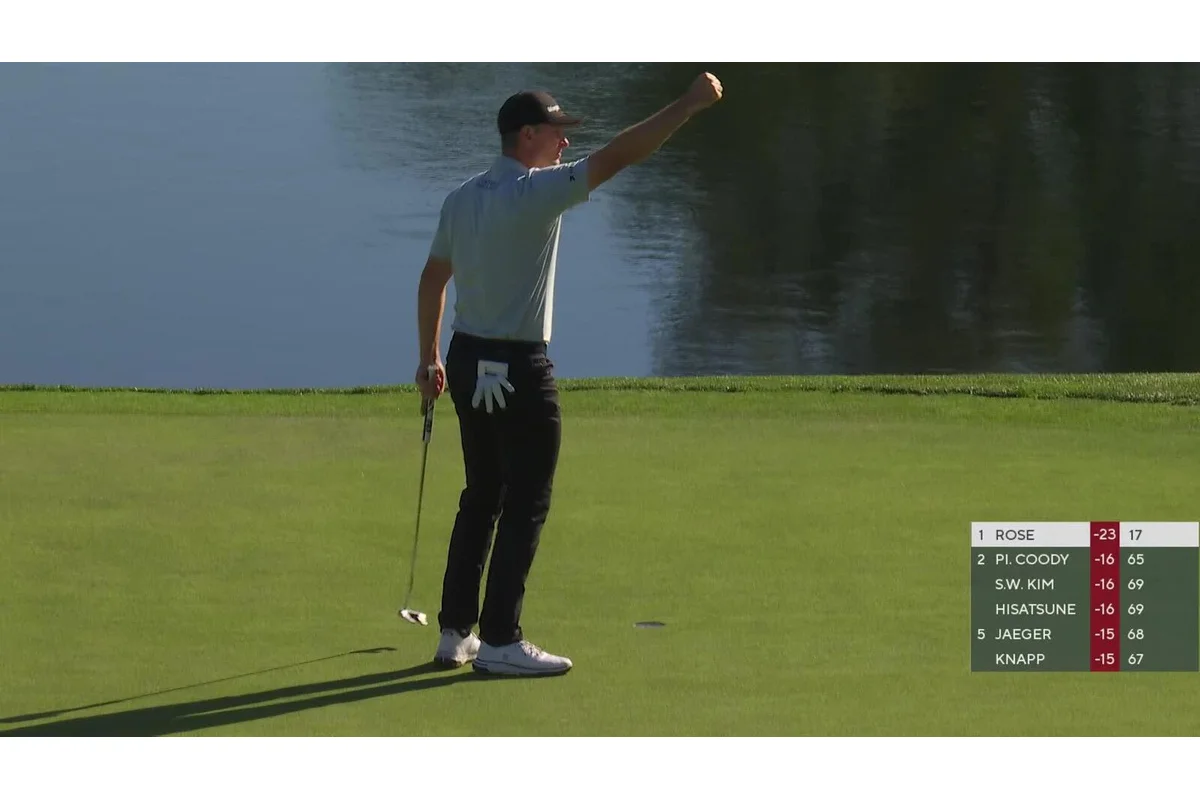
The PGA Tour is intensifying efforts to position The Players Championship as the fifth major in golf, sparking debate over its official status. This move comes alongside the release of a new 2026 tournament advertisement, promoting the March event at TPC Sawgrass as “major,” despite no formal recognition from golf’s established governing bodies.
The Controversy Behind The Players Championship’s Status
The Players Championship is owned and fully controlled by the PGA Tour, distinct from the four historically recognized majors, which are managed by separate organizations. The Masters is held by Augusta National, the U.S. Open is overseen by the USGA, the Open Championship is governed by The R&A, and the PGA Championship is run by the PGA of America. Although the PGA Tour dominates the business and media side of men’s professional golf, it lacks authority over these marquee tournaments that define players’ legacies.
Given this landscape, when the PGA Tour brands The Players Championship as “major” through its latest promotional video, the claim prompts immediate questions about its legitimacy. Highlighted by golf analyst Dylan Dethier on social media, the ad’s brief but bold tagline,
“March is going to be major,”
has reignited discussions over whether The Players can join the ranks of official majors.
“Seems like the PGA Tour wants the ‘5th major’ debate back on. The Players Championship just dropped this new ad. Should get you fired up for TPC Sawgrass — but it’s the half-second at the end that’s going to raise eyebrows: ‘March is going to be major.’”
?Dylan Dethier, Golf Analyst
Business Realities Shape the PGA Tour’s Strategy
Golfweek’s Eamon Lynch emphasizes that while the PGA Tour manages players, schedules, and media rights, it does not operate the tournaments that carry historical weight. Lynch characterizes this as
“a problem for private equity chaps focused on financial returns,”
referring to the PGA Tour’s investors, including Strategic Sports Group, Fenway Sports Group, Arthur Blank, and Steve Cohen. These shareholders expect asset growth and financial success, but the tour is limited by its lack of control over the traditional majors.
As a result, The Players Championship emerges as the PGA Tour’s flagship event and primary asset. Set at the iconic TPC Sawgrass in March, it offers a $25 million purse and a field featuring the top 120 players worldwide. The tournament’s exclusivity is underscored by its rare playoffs—only six in its 51-year history—adding an aura of mystique that the Tour leverages to elevate its status.
Rory McIlroy, the defending champion following his victory in a rare Monday playoff against JJ Spaun last year, represents the tournament’s elite competition. McIlroy’s back-to-back success contributes to The Players’ growing prestige, yet it remains officially outside the recognized majors.
Leadership Advocates for a More Assertive Branding Approach
Following his appointment as the PGA Tour’s first CEO in mid-2025, Brian Rolapp, known for his transformative two-decade tenure in NFL media business, has pushed for a more aggressive promotional strategy. The new Players Championship advertising marks a sharp departure from subtle marketing, instead embracing a provocative suggestion of “major” status without seeking approval from Augusta National or other governing bodies.
Rather than claiming formal designation, the campaign aims to shape public perception and stir debate, possibly influencing players, sponsors, and fans. This tactic reflects underlying tensions between control of legacy and control of business assets within professional golf’s complex structure.
Financial Stakes Highlight the Desire for Major-Level Control
Strategic Sports Group’s $3 billion investment in PGA Tour Enterprises in January 2024 highlights the financial pressure and high stakes driving the Tour’s push. Valued at $12 billion after the deal, PGA Tour Enterprises transformed nearly 200 players into equity holders, signaling a shift toward greater business involvement among competitors.
Greg Norman, who recently stepped down as CEO of LIV Golf, acknowledged his league’s role in attracting private equity to professional golf, resulting in substantial capital inflows. Although the extent of Norman’s influence is debatable, the investment surge is undeniable, intensifying the demand for assets with major-level stature.
Unlike the NFL, which owns the Super Bowl and shares about half its revenue with players, the PGA Tour lacks an equivalent marquee event it fully controls. The Players Championship occupies a unique position: a tournament teetering on major-like prominence, heavily promoted to resemble the established giants in golf.
However, the PGA Tour faces a critical limitation—it cannot officially elevate The Players to major status without consensus from the other governing entities, which control the sport’s official history and player legacies. Consequently, the Tour’s strategy centers on persistently positioning the tournament at this elite level in public discourse.
Implications for Golf’s Future and Player Legacy
This renewed emphasis on The Players Championship as a potential major is reshaping how stakeholders perceive professional golf’s competitive hierarchy. The PGA Tour’s approach may pressure other golf governing bodies to respond or reconsider the tournament’s standing, potentially disrupting longstanding traditions.
For players like Rory McIlroy, upcoming champions, and the growing base of equity-holder competitors, the recognition of The Players as a fifth major would carry significant legacy and financial rewards. Conversely, ongoing disputes risk fragmenting the sport’s narrative and confusing fans.
As the 2026 tournament approaches, the debate around The Players Championship’s place in golf will likely intensify, testing the boundaries between business influence and sporting tradition in the world of professional golf.
Seems like the PGA Tour wants the “5th major” debate back on.
The Players Championship just dropped this new ad. Should get you fired up for TPC Sawgrass — but it’s the half-second at the end that’s going to raise eyebrows:
“March is going to be major.”pic.twitter.com/qIIX2jpvUq
— Dylan Dethier (@dylan_dethier) February 5, 2026
