
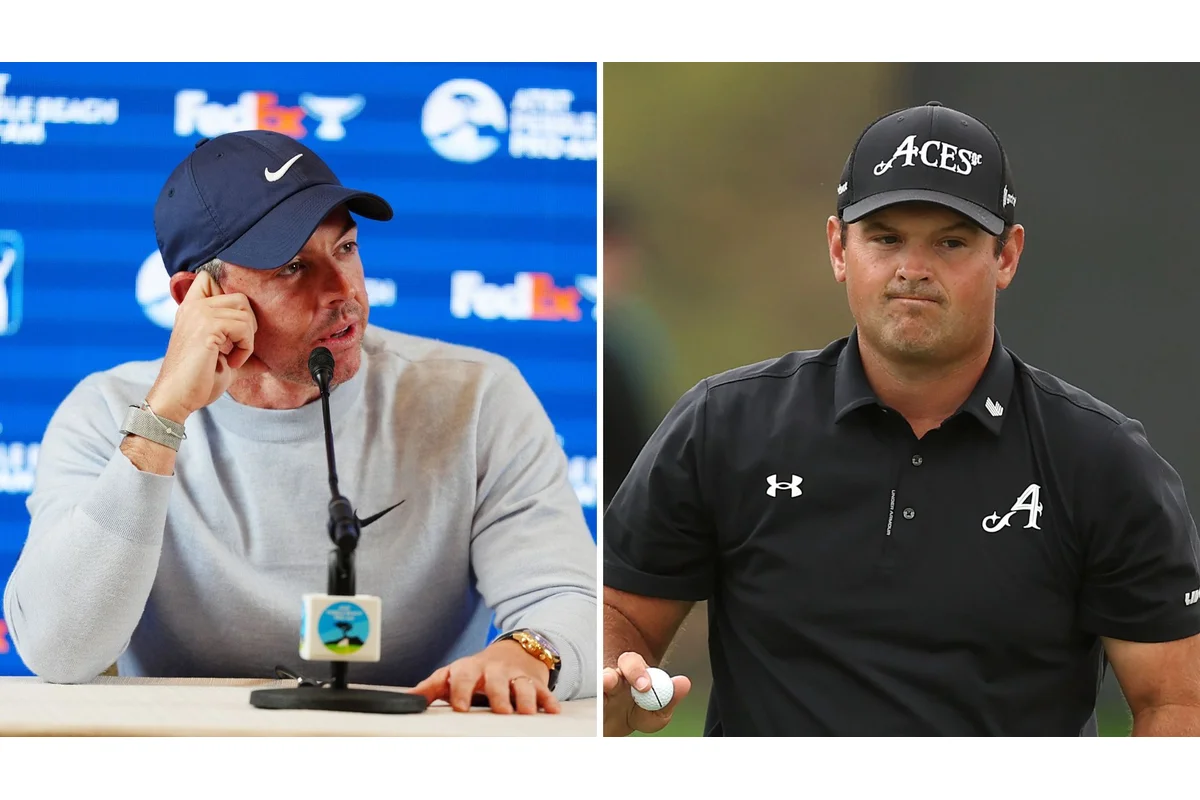
At Pebble Beach in early February 2026, Rory McIlroy spoke publicly for the first time in the United States this year, sharing unexpected views on the NFL as the PGA Tour enters a period of reflection and change. With the NFL season just concluded nearby in Santa Clara, Calif., McIlroy considered how the PGA Tour might learn from football’s structure and marketing, despite personally lacking interest in the sport.
The conversation unfolded against the backdrop of the post-Super Bowl season, when Pebble Beach experienced sudden shifts in weather typical for that time of year. McIlroy, the reigning Masters and Pebble Pro-Am champion, is central to ongoing discussions about integrating elements of the NFL’s approach into professional golf’s schedule and promotion.
Exploring NFL Strategies in Pro Golf’s Future
Former NFL executive Brian Rolapp, now involved with the PGA Tour’s leadership, is proposing significant changes aimed at reshaping golf’s calendar to resemble that of football. One major change under consideration would shift the Tour’s season start to immediately follow the Super Bowl, effectively conceding the winter months to the NFL while expanding golf’s presence through spring and summer.
This concept aligns with McIlroy’s usual yearly routines, as he has traditionally started his season with Middle East events via the DP World Tour before the PGA Tour’s early-year tournaments. However, the adjustment represents a massive departure for many other players and the broader Tour, which has long started shortly after New Year’s Day.

Amid these considerations, McIlroy was asked how much golf should adopt from football and how much should remain rooted in its own traditions. His response revealed a surprising truth: despite being positioned as a vocal supporter of the “footballification” of golf, he is not a football fan at all.
McIlroy’s Unusual Relationship with Football
“No, I think, yeah, football is —,”
McIlroy admitted, pausing before continuing,
“I’ve tried really hard with football. Like I’ve tried really hard.”
He added,
“I could watch a game of cricket for five days and be mesmerized, I think I just — I didn’t grow up with it, so that’s why I maybe don’t take to it quite as naturally.”
Despite this lack of personal enthusiasm, McIlroy acknowledged the NFL’s marketing brilliance. He appreciates the sport’s short but highly engaging season, which maintains fan interest through carefully spaced events — from the NFL Combine and draft to the preseason and regular season.
“It’s a short season and then once it goes away, people miss it. From a marketing perspective it’s genius, right? They drip feed things. It’s the Combine, then it’s the draft, then it’s pre-season. It’s like OK, the season is short but they drip feed just enough to keep you really interested the whole way through the year,”
McIlroy explained.
Comparing Golf’s Signature Events with Football’s Spectacle
The NFL season culminates in the Super Bowl, a cultural phenomenon that consistently sets records for viewership and advertising every February. This singular event unites the sport and captures America’s attention in a way the PGA Tour currently cannot match.
Golf’s closest comparison is the Players Championship, an important tournament ranked immediately below the four major championships. The PGA Tour’s marketing team and new investors, including Strategic Sports Group, have proposed elevating the Players to the status of a fifth major to boost its prestige. However, McIlroy holds a more traditional view.
“Look, I’d love to have seven majors instead of five, that sounds great,”
McIlroy said with a laugh.
“But I’m a traditionalist, I’m a historian of the game. We have four major championships. You know, if you want to see what five major championships looks like, look at the women’s game. I don’t know how well that’s went for them.”
Defending Tradition While Acknowledging Change in Pro Golf
The ongoing debate between disruptors and traditionalists remains a defining theme in the PGA Tour’s early 2026 season. McIlroy emphasized that while the Tour should innovate carefully, certain institutions should remain unchanged.
“It’s the Players. It doesn’t need to be anything else,”
he said.
“Like I would say it’s got more of an identity than the PGA Championship does at the minute. So like from an identity standpoint, I think the Players has got it nailed. It stands on its own without the label, I guess.”
As the golf world continues to evaluate how much to emulate NFL strategies in scheduling and marketing, McIlroy’s stance highlights the tension between embracing innovation and preserving the sport’s historic frameworks. For now, the Players Championship stands as a symbol of continuity amid change.
The PGA Tour and its stakeholders are expected to make further decisions this year about the season’s structure and the balance between tradition and modernization. McIlroy’s unexpected NFL admission underscores the complexities involved as golf seeks to navigate these evolving dynamics.
