
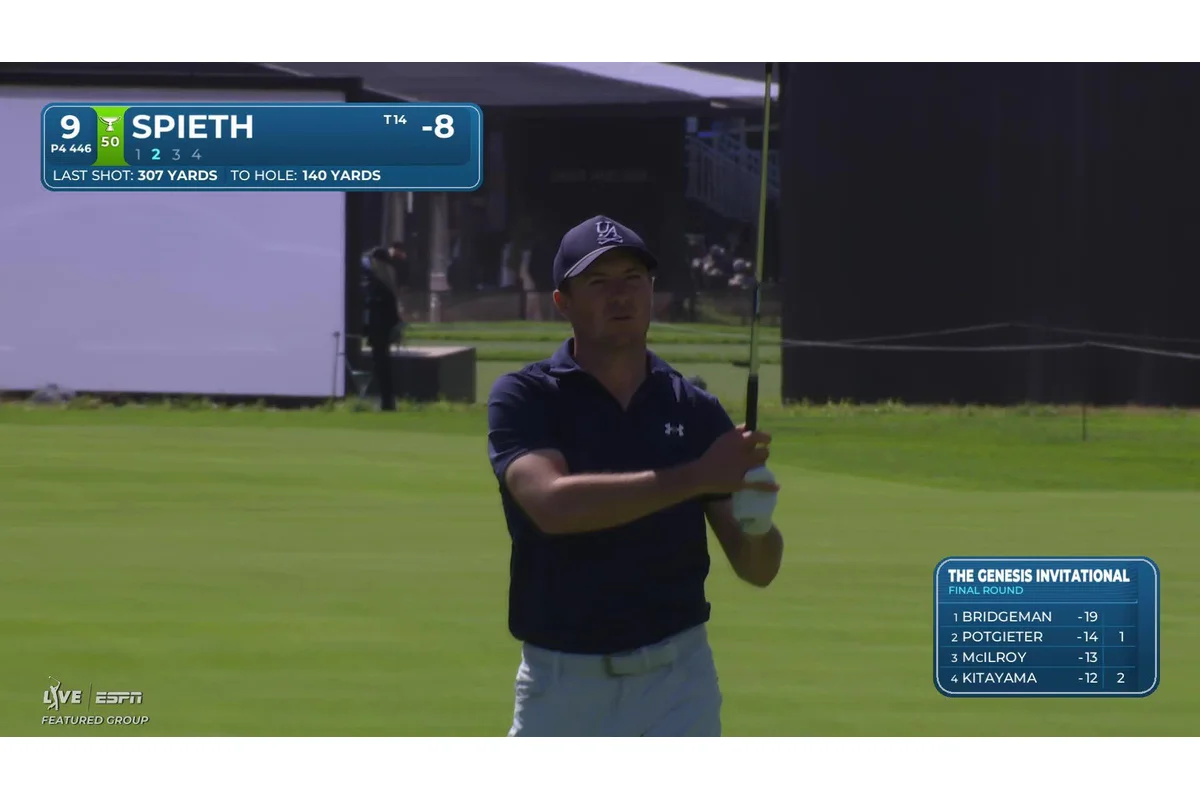
Jordan Spieth recently spoke candidly about his reliance on sponsor exemptions, admitting he never wanted to use them to gain entry into tournaments. His comments came after accepting a sponsor exemption to compete in the 2026 Arnold Palmer Invitational at Bay Hill, a prestigious $20 million Signature Event that he has not qualified for through merit. Spieth is currently ranked 82nd in the world, outside the top-30 cutoff for automatic entry into such events, and his FedEx Cup standing near 70th also falls below the top-50 threshold.
Despite these rankings, Spieth received five sponsor exemptions in 2025. These invitations contributed significantly to his FedEx Cup points, accounting for 29% of his total points, though he only finished 54th overall and did not qualify automatically for 2026. Additionally, Spieth earned $4.5 million from the Player Impact Program last season without securing a tournament victory, which explains why sponsors continue to extend invitations to him.
Closing the Door: Spieth Reflects on the Reality of Exemptions vs. Earning Tournament Spots
Following his tied-12th place finish at the Riviera tournament, Spieth expressed his frustration:
“I don’t want to use exemptions,”
he said.
“I don’t want to ever have to use that again. It’s sucked the last couple of years.”
His admission highlights the tension between relying on sponsor exemptions and playing qualifying golf to earn starting positions.
The inconsistency in the allocation of sponsor exemptions is emblematic of a larger structural issue within the PGA Tour system. For instance, Spieth did not receive a sponsor exemption in 2025 but did so for Bay Hill in 2026. Other players have voiced frustration over this unpredictability. Robert Garrigus, for example, has openly criticized how these exemptions are distributed among players, suggesting that commercial appeal often influences decisions more than competitive merit.
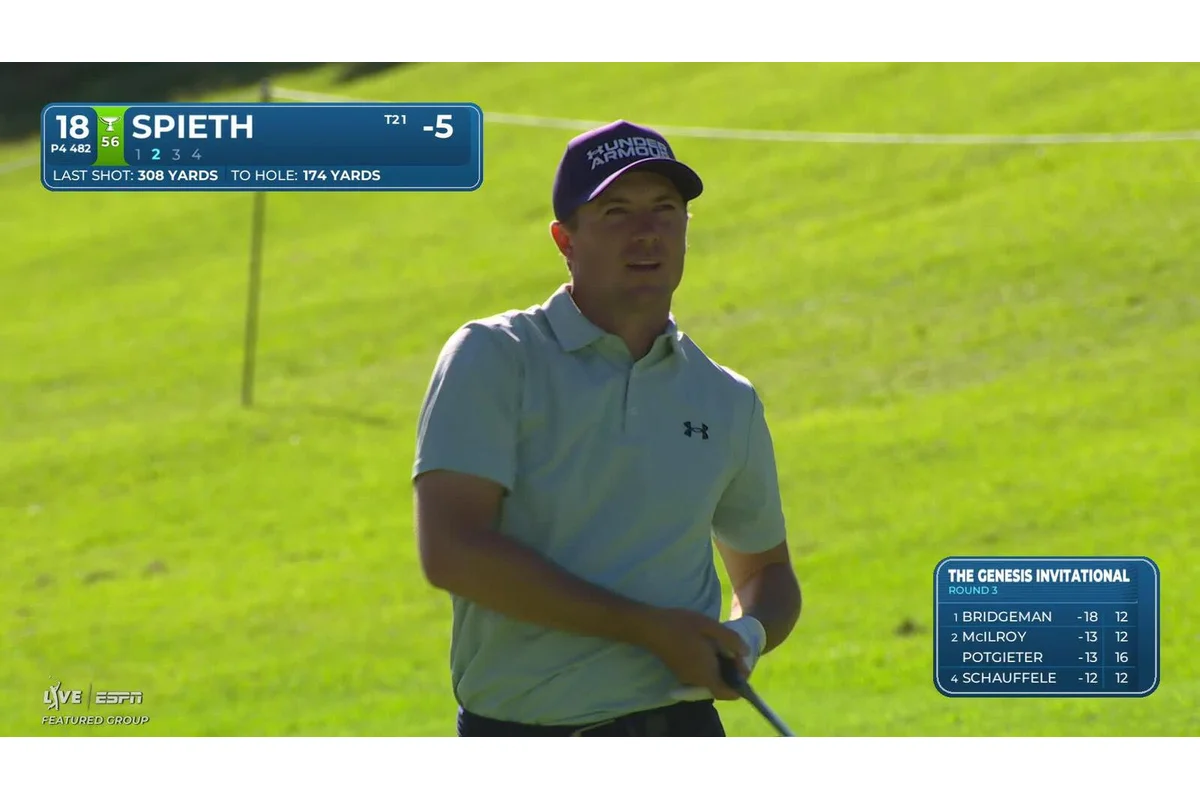
Spieth defended the practice by stating that tournaments invite players who add value to their events, confirming the existing commercial influence on exemption decisions. His stance reflects an uneasy acknowledgment of the divide between merit-based qualifications and sponsor-driven selections.
Technical Adjustments Signal a Return to Form for Spieth
Beyond the exemption debate, Spieth has focused on improving his gameplay, particularly his putting stroke. Between the Sony Open and the WM Phoenix Open, he worked intensively with his longtime coach Cameron McCormick at Trinity Forest Golf Club in Dallas. Despite challenging, even frozen conditions, they concentrated on adjusting his setup to regain consistency.
As a result, Spieth revamped a putting style reminiscent of his victorious 2015 Masters and U.S. Open performances. He explained,
“Looking at my spot, like looking at the hole, it seems to be a weapon that I’ve got back. You start as close to the hole as you can, and everything that feels comfortable just keeps going further and further away all the way into the long game.”
This revised technique showed promise during recent tournaments. At Pebble Beach, Spieth ranked third in Strokes Gained: Putting among players in Signature Events. At Riviera, he finished tied for 12th with four rounds in the 60s, including nine birdies and a final-round eagle, demonstrating a resurgence in confidence as he prepared for upcoming events. “I feel very confident,” he said.
“I like the stretch that’s coming up.”
The Exemption System’s Disparities Highlighted by Spieth and Fellow Competitors
The controversy over sponsor exemptions is not limited to Spieth. Rickie Fowler received six exemptions into Signature Events in 2025, one more than Spieth, which drew scrutiny given the advantage these provided. Fowler received nearly half of his FedEx Cup points—319 out of 665—from these exempted starts and finished 48th, just inside the top-50 cutoff for the 2026 season. He built on this momentum with strong finishes later in the year, including a tie for seventh at the Memorial Tournament and a tie for sixth at the FedEx St. Jude Championship.
In contrast, players like Chris Kirk, who received no exemptions, narrowly missed the cutoff by two places, finishing 51st on purely merit-based qualifications. This comparison underscores how exemptions can influence rankings and tournament access, raising questions about fairness and transparency.
Spieth’s outspoken comments are significant because they publicly acknowledge a problem that the PGA Tour has yet to address. The current exemption system remains opaque and vulnerable to criticism, as players with sufficient commercial appeal can gain access that others with similar competitive records cannot.
Looking Ahead: The Impact of Spieth’s Admission on the Future of PGA Tour Exemptions
Spieth’s openness about his exemption struggles may trigger more extensive conversations about the structure and fairness of qualification processes on the PGA Tour. With other high-profile players expressing similar frustrations, the Tour may soon face increased pressure to reevaluate how exemptions are granted and whether the system promotes genuine competitive excellence or commercial interests predominantly.
As Spieth’s putting stroke improves and his game steadies, he aims to qualify more consistently on merit in upcoming tournaments, hoping to reduce his reliance on exemptions. His experience sheds light on the larger challenges that golfers face in a system where performance, popularity, and sponsorship intersect in complex ways, shaping the opportunities available to professional players within the sport.
