
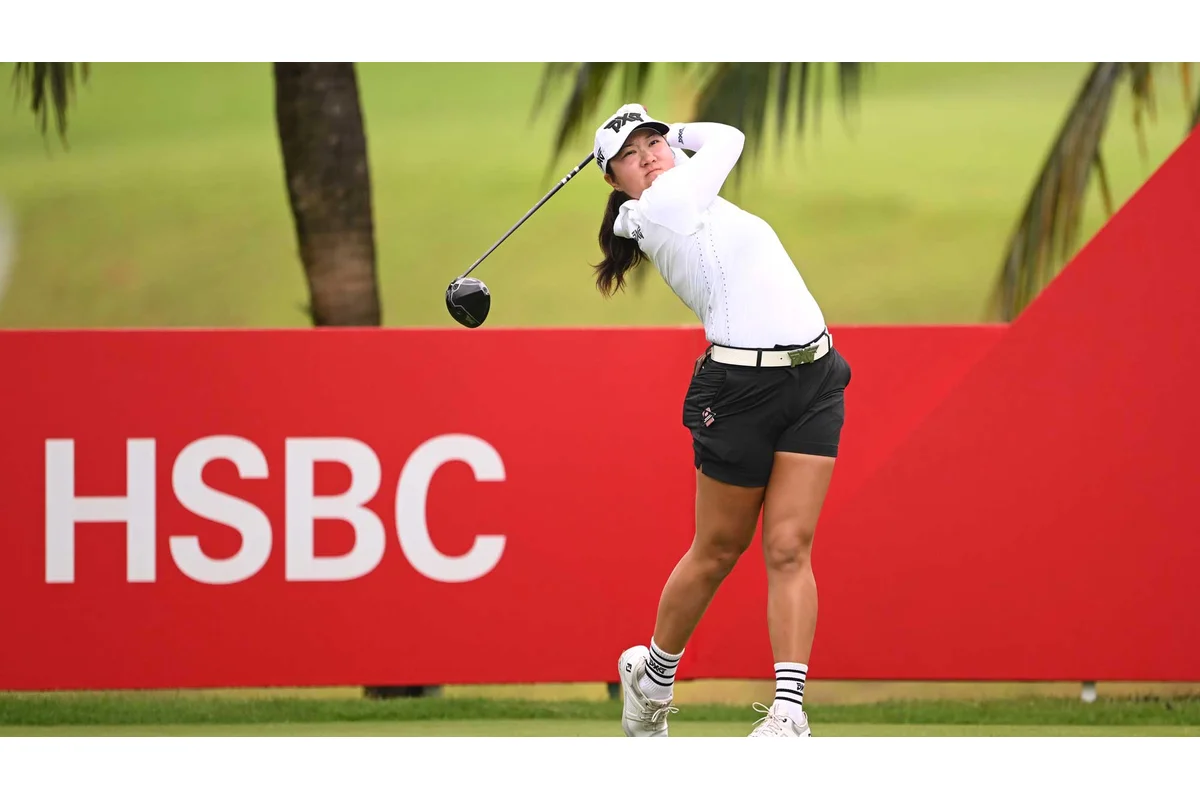
Billy Horschel, a Florida native and seasoned PGA Tour player, has publicly advocated for more rigorous course conditions on the PGA Tour, emphasizing that tournament courses should present a stronger challenge for players. His concerns stem from recent changes at PGA National, where overseeding has softened the traditionally demanding layout, prompting debate over who truly controls how courses are prepared for professional events. Horschel insists the PGA Tour should have full authority in setting up its venues to ensure a fair and compelling competition for both players and fans.
Controversy Over Overseeding at PGA National
PGA National, once recognized as one of the toughest courses on the schedule, has seen its difficulty decline due to overseeding done by the course’s owners. This change contributed to record-low scores, such as Joe Highsmith’s winning total and Jake Knapp’s rare 59 during last year’s event. The overseeding has drawn criticism from players who feel the course no longer tests their skills sufficiently. Horschel has been vocal about his stance, urging that the tour reclaim more control to maintain a higher level of challenge, especially on a course as iconic as PGA National’s “Bear Trap.”
Players’ Perspectives on Tour’s Course Setup Influence
While the PGA Tour has received some criticism regarding course difficulty, Horschel clarifies that the ultimate decision on overseeding at PGA National rested with the course owners rather than the Tour itself. He explains that this dynamic is common across many tour stops, where owners often prioritize appearances and playability to attract players and spectators alike. Horschel acknowledges the complexities but stresses that the Tour must advocate more strongly for setups that genuinely test competitors.

“I think the Tour gets a bad rap, and it’s not anything against the owners of PGA National. I understand where they would want to overseed. People want it to look pretty on TV, and if it looks pretty on TV, maybe people will want to come play it,”
Billy Horschel, PGA Tour Player
“I understand we are using a golf course that we don’t own a lot of times, and sometimes we’re at the discretion of what the owner wants to do. Obviously we give our opinion of what we think is best for the golf course and how they want to set it up and challenge it, but also, the owners have a say in it. This isn’t just PGA National; it goes to a lot of courses that we play throughout the years.”
“That’s just my take on it. Like I said, it’s not a shot at anyone. It was just sort of commenting to someone who was taking a shot at the PGA Tour and I sort of gave them a little more insight that it’s not always in the PGA Tour’s hands. If they want to try and do something, it’s not always in their hands to set it up the way they want to.”
The Debate on Ideal Winning Scores in PGA Tour Events
Horschel shared his vision for what a winning score should reflect to indicate a well-balanced challenge at PGA Tour stops. He expressed a preference for courses that yield winning scores between 8 to 12 under par, considering 15 under as an upper limit for fairness. This range, he believes, accurately represents a test that rewards strong play without being overly lenient or punishing, aligning with fan expectations for exciting and high-quality golf.
Highlighting PGA National’s past difficulty, Horschel noted the course dropped in rankings from consistently being among the top 10 toughest venues to placing 35th in recent year’s difficulty ratings. He contrasted this with other venues like the American Express tournament, known for much lower winning scores, and accepted variability in course difficulty across the tour.
“We play Amex and we know that score is going to be 20-something under par. Not every course is going to be an 8, 12-under par setup.”
Billy Horschel, PGA Tour Player
“I’ve always been a big fan of 8 to 12 under par, 15 at most winning. I think that really says the course played fair, in my opinion.”
Fan Expectations and Course Difficulty
Horschel emphasized that fans desire to witness a contest where skillful shots are rewarded, and mistakes bring consequences, fueling the drama and excitement of tournament golf. He stated that data trends support winning scores around 12 to 15 under par as the perfect balance to engage audiences with both birdies and tough challenges.
“I think a lot of data would say 12, 15-under par, I think fans really love seeing a score in that range or area.”
Billy Horschel, PGA Tour Player
Despite PGA National playing a bit over par on the opening day of the latest event, with Austin Smotherman leading after a brilliant 62, the prospect of windier conditions over the weekend could restore some difficulty. This ongoing conversation about course toughness remains central as players and PGA Tour officials weigh the future of tournament setups and how best to showcase elite golf.
Looking Ahead: The Battle for Course Control and Tour Integrity
The dispute over who should dictate course conditions—owners or the PGA Tour—raises broader questions about preserving the integrity and challenge of professional golf. Horschel’s demand for tougher setups reflects growing unease among players that easier courses may undermine competitive excitement. How the Tour addresses these concerns could significantly impact fan engagement and the competitive landscape moving forward, particularly at landmark venues like PGA National.
Here's almost 3 minutes of Billy Horschel talking about PGA National, overseeding and a problem that isn't just at the Cognizant.
"Obviously we give our opinion of what we think is best for the golf course and how they want to set it up and challenge it, but also, the owners… pic.twitter.com/VQrND8nuy0
— Cameron Jourdan (@Cam_Jourdan) February 26, 2026
