
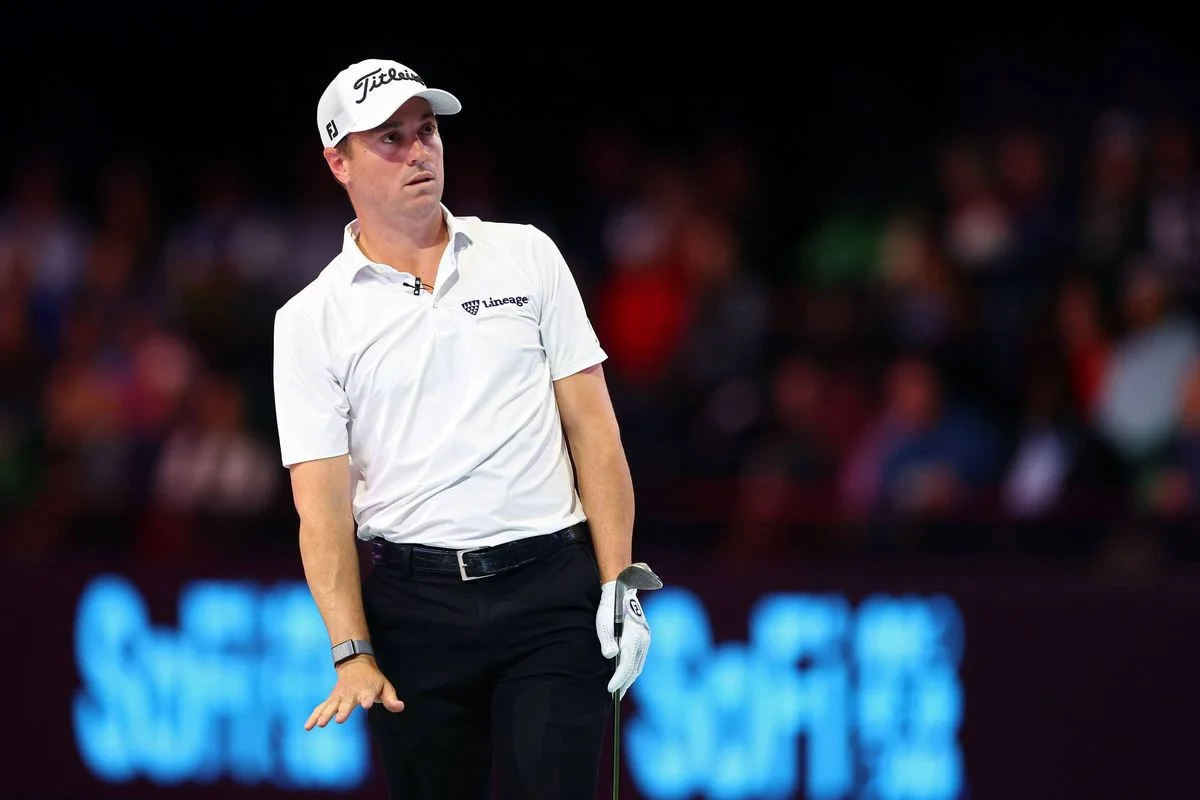
Justin Thomas is back on the course this week at the Arnold Palmer Invitational at Bay Hill Club, marking his first tournament of the year since undergoing surgery late last year. The two-time PGA Championship winner, recovering from a microdiscectomy performed on November 13 for a herniated disk, is intentionally pacing his comeback to prioritize long-term health over an early return. His experience observing Tiger Woods’ prolonged recovery from back issues and Will Zalatoris’ rehabilitation from similar surgery has strongly influenced his cautious strategy after the Ryder Cup hiatus.
Insights from Experience Shape Thomas’s Recovery Timeline
Thomas addressed the media at Bay Hill and emphasized he was “not pressing this” or “pushing it” in terms of recovery milestones. He set conservative targets, choosing to begin rehab at the longer end of expected timelines and delaying activities like chipping and putting to later dates. He acknowledged the unusual nature of golf, where athletes can maintain high levels of competition into their 40s, which encourages patience over short-term gains. Thomas hinted at the difficulty of being patient, noting he had to resist lifting his 1-year-old daughter to avoid setbacks.
The 16-time PGA Tour champion, who also won the 2021 Players Championship and the RBC Heritage last year, explained how hip pain and numbness down his leg led to the diagnosis, despite him feeling no pain directly in his back. He shared,
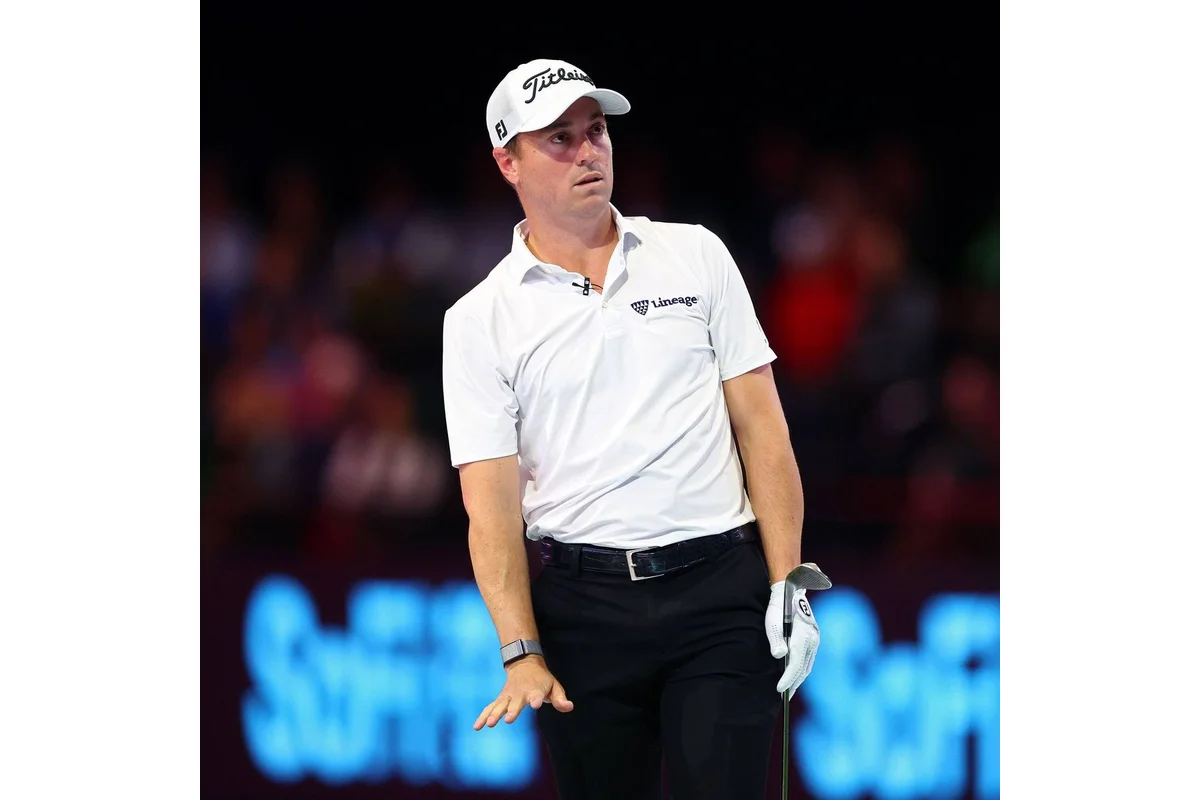
“There wasn’t anything [in his back] and that was the hardest part about it,”
adding that if he had known earlier, the surgery timeline would have been accelerated significantly.
Challenges Leading Up to the Procedure and Recovery
Thomas detailed how, despite no back pain, his right leg and hip had mobility and strength issues during his swing. The numbness and nerve sensations worsened after the Ryder Cup, prompting imaging that revealed the herniated disk. At surgery time, tingling extended to the bottom of his foot, indicating nerve involvement.
He described his near six-month break from competition as the longest since childhood, purposely avoiding golf activities until after New Year’s, only starting to swing drivers approximately one month before returning to competition. This slow rehabilitation reflects his dedication to longevity in the sport.
Managing Expectations Amidst Physical and Mental Recovery
Thomas candidly acknowledged he expects to be rusty during this competitive return, despite feeling good physically and confident in his game. He stressed the challenge of sustaining focus and managing the mental demands of back-to-back rounds over four days.
“My golf feels really good. I feel like I can do anything I want with the golf ball at any given time,”
he said,
“It’s just going to be the… concentrating for four and a half, five hours on a very difficult test four days in a row, a lot of the little things that I haven’t done in a long time that I just have to be nice on myself and give myself a little bit of grace.”
“My number one thing that I reiterated to everybody is just like we’re not pressing this, we’re not pushing it.” – Justin Thomas, Golfer
“Golf is a funny sport where, and we’re fortunate that I can play at a very competitive high level until my mid-to-late 40s, I feel like, and to try to come back a couple events early just because I love Riviera or just because I love Pebble Beach, it doesn’t make sense in terms of over a long career.” – Justin Thomas, Golfer
“There wasn’t anything [in his back] and that was the hardest part about it.” – Justin Thomas, Golfer
“I’m going to be rusty in terms of competitive.” – Justin Thomas, Golfer
Context of Back Surgeries in Top Golfers
Thomas’s surgery adds to the ongoing narrative of elite golfers managing spinal issues. Tiger Woods, who underwent disk replacement surgery in October, previously had multiple microdiscectomies and a spinal fusion. Thomas’s awareness of this history and his interactions with Woods during difficult recovery periods helped form his realistic outlook on his own treatment and timeline.
Similarly, Will Zalatoris, who has faced persistent back problems over the past three years, underwent microdiscectomy followed by disk replacement last year after the PGA Championship and did not return until November, highlighting the extended recovery golf professionals often endure with such injuries.
Implications of Thomas’s Careful Return for His Career
By prioritizing a gradual return over rushing back to competition, Thomas aims to preserve his ability to compete at a high level well into the future. His experience illustrates the importance of cautious rehabilitation for athletes managing spinal surgery, especially in a sport where physical demands persist over decades. Thomas’s measured approach this week at the Arnold Palmer Invitational can provide a blueprint for balancing health, competitive performance, and longevity.
