
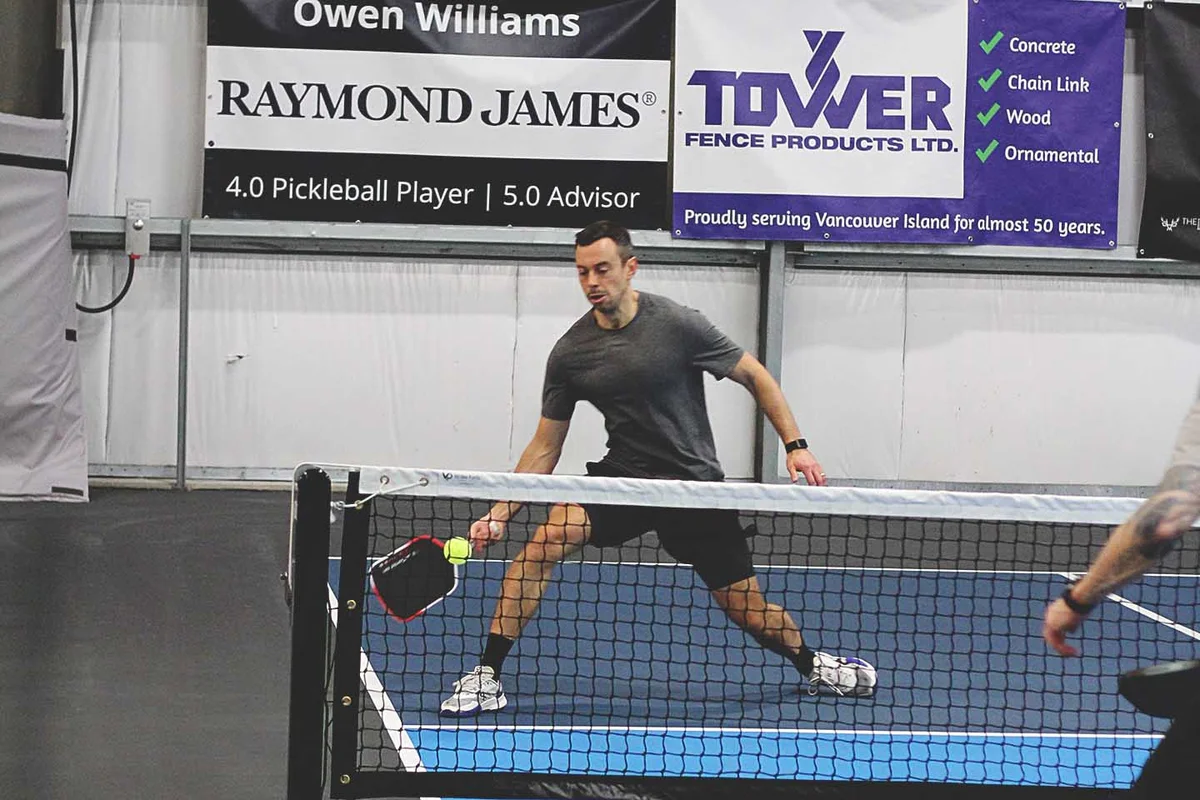
Pickleball, a sport gaining in popularity, has unexpectedly become a source of serious tension in some marriages. One middle-aged parent shared their experience with pickleball marriage struggles after their spouse’s obsession with the game began to take over daily life, affecting family time and household responsibilities. The concern arises from the husband’s commitment to playing pickleball for over 20 hours a week, which has caused an imbalance in family priorities and child care duties.
With full-time jobs and two young children in elementary school, the family’s daily routine has shifted dramatically due to the husband’s dedication to pickleball tournaments and improving his player rating. The lighter family interaction and missed responsibilities have left one partner feeling overwhelmed and alone in managing home and childcare tasks.
How Pickleball Affects Family Dynamics and Responsibilities
The intense focus on pickleball has resulted in the husband frequently missing family dinners and neglecting household chores such as laundry. As a consequence, the spouse managing an intense workload has had to shoulder most of the childcare, including school pickups and bedtimes. When the spouse is unavailable, the children are often taken to pickleball courts late into school nights, further reducing crucial family time. The situation has led to a significant decline in couple interaction and created emotional distance.
Despite recognizing the benefits of pickleball for his health and social life, the husband reacts defensively when concerns about balancing the hobby with family needs are raised. Instead of dialoguing, he responds with anger, perceiving the concerns as an attempt to stop him from engaging in something he enjoys, which complicates attempts to reach a compromise.
Understanding the Emotional Toll Behind the Conflict
Relationship counselor Carolyn Hax addressed this dilemma by explaining that the problem is less about pickleball and more about the consequences of emotional neglect and uneven distribution of family responsibilities. She noted,
“Take out ‘pickle,’ and everything about your question is serious. Emotional neglect of spouse and children, defensiveness, gaslighting, plus burnout for you as you pick up 20-plus hours of your husband’s logistical and emotional slack every week.”
Carolyn’s assessment highlights the deep strain caused by one partner’s overcommitment to an activity at the expense of shared family life and the other partner’s wellbeing.
She emphasized that this kind of imbalance can slowly erode the marriage, with the real issue being that one spouse’s absence and lack of accountability creates an emotional void. The wife’s increased burdens and her husband’s avoidance of acknowledging the problem are warning signs of a marriage in serious trouble.
Strategies for Addressing Pickleball-Related Marital Problems
Carolyn advises that the spouse raising the issue needs to remain firm yet calm when discussing the imbalance, focusing on facts such as the hours spent away and the missed family commitments. She suggests,
“You can wield it in unflinching repetition of your intent in bringing up balance, until he agrees to speak calmly, too,”
stressing the importance of clear communication about wanting some family dinners and time together back.
The goal is not to compel the husband to give up pickleball entirely, but to insist on a healthier balance that respects family needs. This involves holding the husband accountable for his time management and contributions at home while acknowledging the positive benefits the sport provides him.
If the husband remains resistant or unwilling to recognize the problem, Carolyn recommends escalating the matter by involving outside help such as a physician, couples counselor, mediator, or even a legal advisor if necessary. This approach aims to protect the emotional health of the family before the relationship deteriorates further.
The Broader Implications of Prioritizing Hobbies Over Family
This case underscores the risks when a spouse prioritizes a hobby so heavily that it overshadows family responsibilities and emotional connection. While pickleball itself offers health benefits and social interaction, its excess can lead to a breakdown in communication, unmet family needs, and feelings of alienation.
For families facing similar challenges, the key takeaway is that identifying the underlying issues and addressing them promptly is crucial. Negotiating a fair balance between personal interests and family life requires honesty, empathy, and willingness to adjust behaviors before the marriage reaches a crisis point.
Ultimately, the husband’s recognition of his role and a mutual agreement on time management will determine if the family can regain lost connection and if the marriage can withstand the pressures caused by pickleball marriage struggles.
