

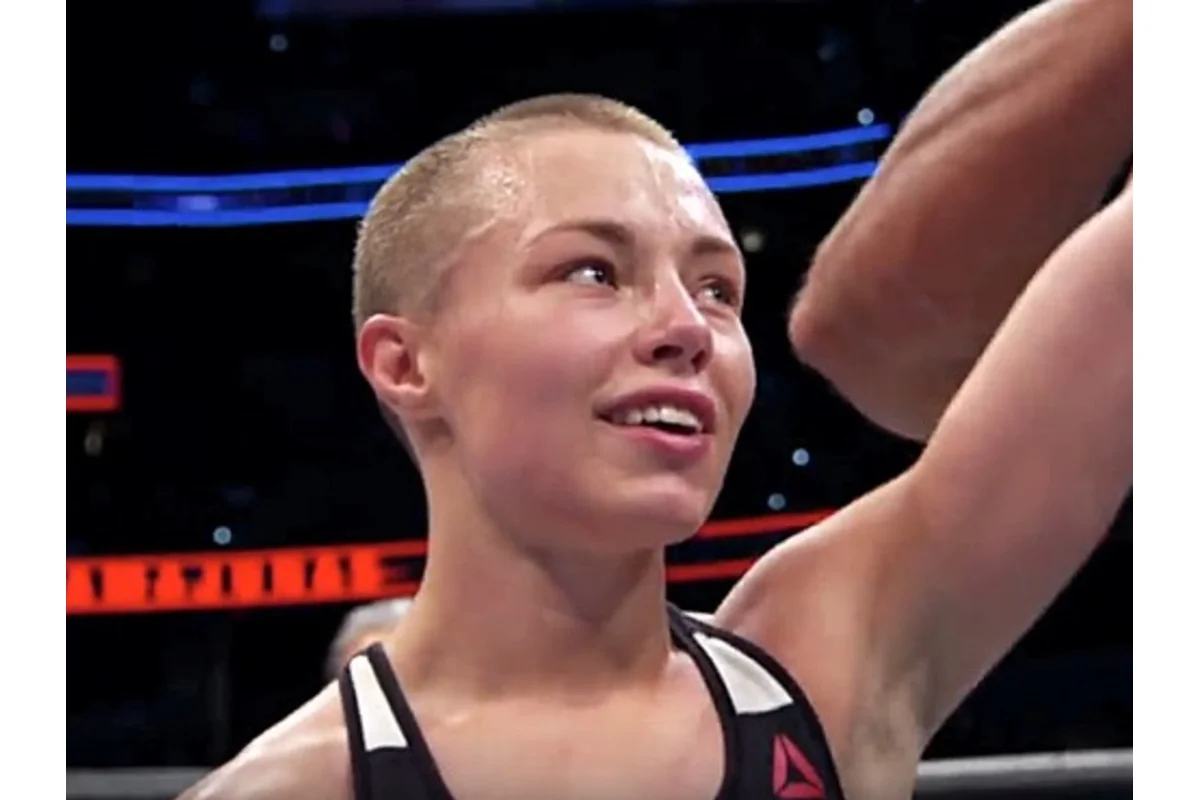
On February 17, 2026, the UFC released a surprising promotional video that strayed far from its typical fight announcements. Instead of unveiling a new matchup, the organization shared a 30-second musical parody featuring top fighters like Rose Namajunas, Dustin Poirier, Cory Sandhagen, Miesha Tate, and Chael Sonnen. Set on a Broadway-style stage resembling the Octagon, the stars danced and sang dramatically, offering fans a campy, self-aware performance that sparked immediate reaction across the combat sports community. The skit integrated humor with a nod to the UFC’s longtime sponsor, Black Rifle Coffee, blending commercial promotion and entertainment in a way rarely seen before.
Behind the Scenes of the UFC’s Musical Experiment
The video was intentionally over-the-top, embracing silliness through its comedic tone and exaggerated performance. Brian Callen, a comedian, appeared as a mock director, adding to the playful atmosphere of the production. This bold experiment comes at a time when fans have been vocal about their desire for more fight announcements rather than commercials interrupting events. UFC 324 had recently drawn criticism for frequent ad breaks cutting into the action, yet this musical promo doubled down on the camp, featuring a caption that read,
“Not all ideas are good ones.”
The timing invited a mix of amusement and frustration, highlighting the brand’s challenge in balancing entertainment with fan expectations during the Paramount+ broadcast era.
Fan Reactions Reveal a Mix of Amusement and Frustration
The response from both fighters and fans ranged widely. Aljamain Sterling and broadcaster Laura Sanko reacted positively, with Sterling posting numerous crying laughing emojis and Sanko calling the skit “Amazing.” Many viewers appreciated seeing a lighter side of fighters, who are usually perceived as always serious and intense. However, there was also skepticism about the timing, as fans are eagerly awaiting updates on major fight cards, title unifications, and matchups, including the much-discussed games involving Nate Diaz and Dustin Poirier.
Brandon Royval humorously engaged with Cory Sandhagen’s enthusiastic showmanship, tweeting,
@corysandhagenmma blink twice if you need help.
This playful jab underscored how unusual it is to see fierce competitors like Sandhagen performing in show tunes, creating a humorous dissonance that humanized the fighters. Matt Schnell, who trains alongside Poirier at American Top Team, added inside credibility to the skit by noting,
Dustin actually has a lovely singing voice. Can confirm.
Schnell’s comment added a personal layer, indicating the musical wasn’t only a joke but also a moment of camaraderie among friends.
Community Concerns Over UFC’s Focus Amid Fight Hype
Despite the humor, some fans voiced clear frustrations about the pressing need for fight announcements. One wrote simply, “Announce some fights man,” highlighting tensions between entertaining content and the demand for clear updates. Another posted,
See and this is why Dustin won’t fight @natediaz209.
This comment reflected a common, if unfair, fan perception that prioritizes fighters’ availability based on promotional appearances rather than actual fight readiness. Lastly, a viewer questioned the logistics behind the production, asking,
How did they get everyone to agree to this.
The remarkable coordination to assemble five prominent fighters for a musical number was noted as a surprising feat in itself.
The Broader Implications of Fighters Showing Personality Outside the Cage
While some fans view the musical skit as a welcome, lighthearted break from the usual intensity of combat sports, others see it as a distraction amid a crucial period for fight bookings. This duality reflects the complex task the UFC faces as it tries to expand its brand beyond violence and competition into broader entertainment. Allowing fighters like Rose Namajunas and Dustin Poirier to reveal different facets of their personality may enrich the sport’s appeal, but timing plays a critical role in how such content is received. The musical spot underscores ongoing challenges in balancing business interests, fan expectations, and fighter branding in a highly scrutinized environment.
As the UFC continues navigating the Paramount+ era and evolving its promotional approach, the reception to this skit suggests that future marketing will need to carefully consider fans’ hunger for substantive fight updates without sacrificing creative engagement. Rose Namajunas UFC musical and involvement by notable fighters has opened a new conversation about the role of humor and personality in a sport often defined by its intensity and stakes.
