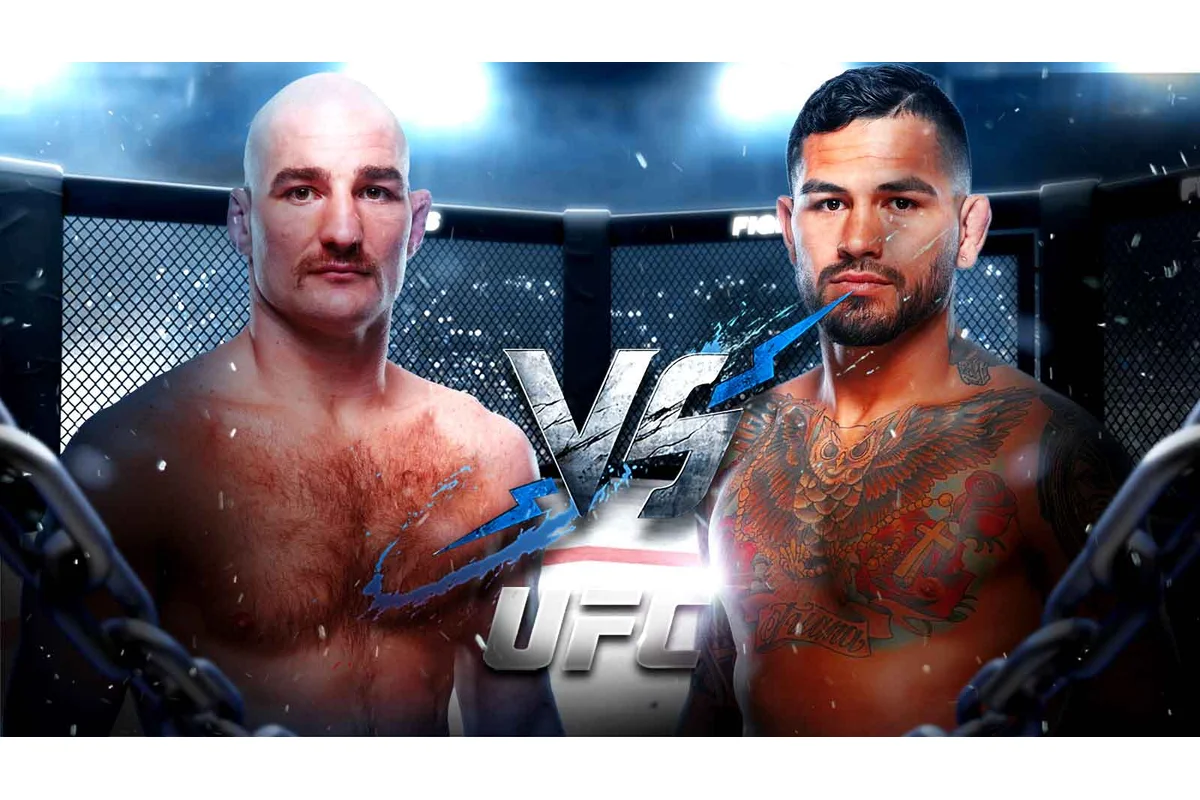
Sean Strickland, who returns to competition this Saturday at UFC Houston, is once again at the center of media attention for his provocative statements. Scheduled to headline the event against Anthony Hernandez at the Toyota Center in Texas, Strickland aims to secure a contender spot for the new middleweight champion, Khamzat Chimaev. Despite Strickland’s history of offensive comments, UFC President Dana White has maintained his stance of defending the fighter’s right to express his views, regardless of their content.
During the UFC Houston media day, Strickland unleashed disparaging remarks targeting various figures, including Bad Bunny, the Super Bowl halftime show, and fighters Ronda Rousey and Gina Carano ahead of their upcoming MMA fight on Netflix. Such inflammatory remarks have fueled speculation about how the UFC and its parent company, Paramount, might respond. However, White’s response suggests no disciplinary actions are forthcoming.
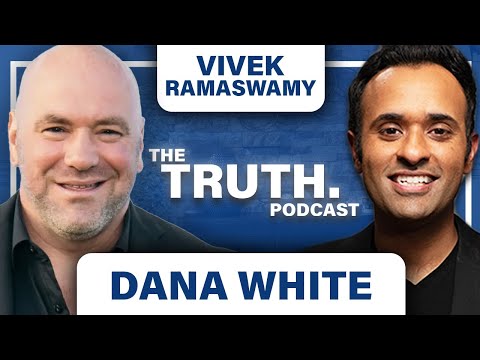
White reiterated his position during a 2024 interview on The TRUTH Podcast with Vivek Ramaswamy, stating,
“Sean Strickland said a lot of things. I don’t agree with 95 percent of what this guy says, but it’s his right to say it,”
and added,
“Don’t get too upset and don’t take it too serious,”
reinforcing that fans can witness Strickland’s performance where it counts—in the Octagon.
The Impact of Strickland’s Comments on MMA’s Public Image
Mixed martial arts has evolved dramatically over the last 30 years, yet it continues to face challenges shaking off its reputation as a ‘barbaric’ sport. Strickland’s repeated controversial outbursts contribute to this ongoing struggle by attracting negative attention beyond the sport’s dedicated audience. His comments often eclipse the athletic achievements of MMA fighters, reinforcing stereotypes rather than broadening the sport’s appeal.
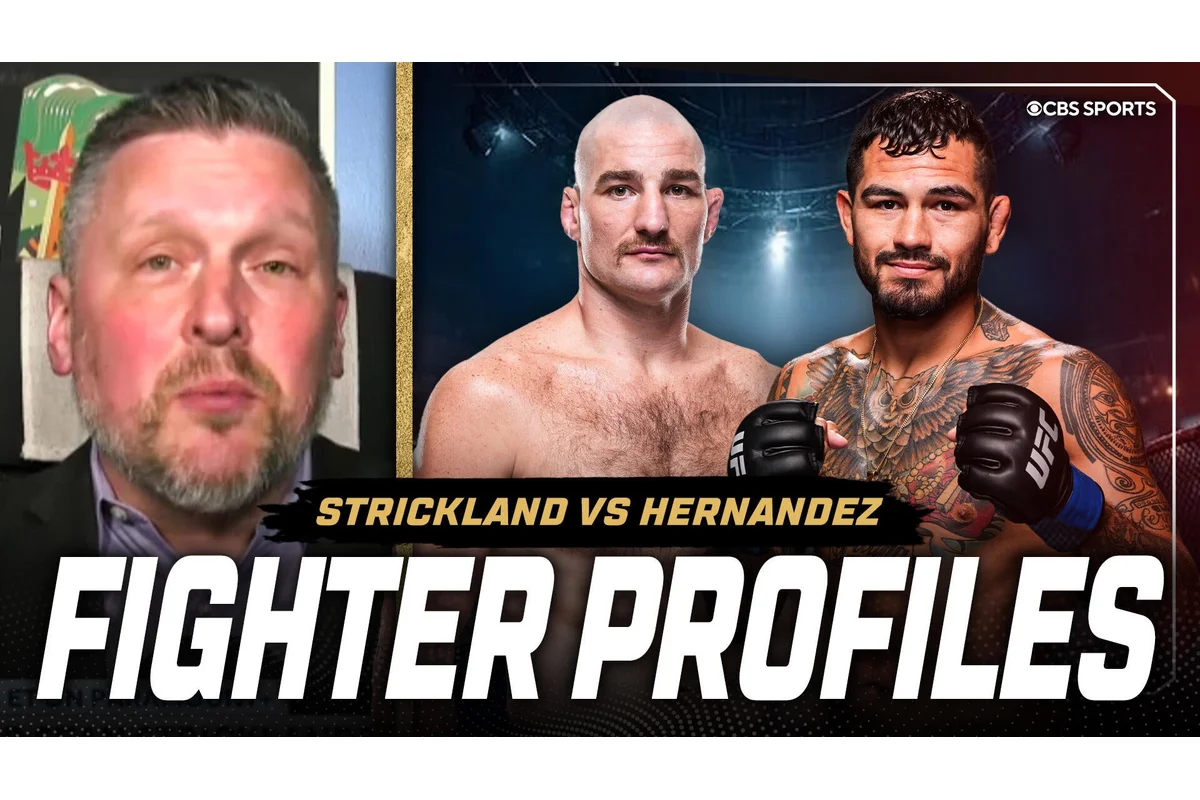
While some fans expect heated exchanges and trash talk as part of the fight culture, many argue that fighters should primarily let their skills and performances define them. Strickland’s pattern of inflammatory remarks combined with inconsistent in-cage performances raises questions about his role in the UFC’s future direction, especially at a time when the organization is actively removing fighters considered less entertaining.
Unlike the impressive dominance he sometimes demonstrates during training sessions, Strickland frequently fails to deliver memorable fights that engage audiences. With the UFC increasingly prioritizing entertainment value, his continued presence raises concerns among fans and insiders about what he contributes beyond controversy.
Evaluating Strickland’s Place in the UFC Amid Rising Expectations
As competition intensifies and new stars such as Khamzat Chimaev emerge, veteran fighters like Sean Strickland face growing pressure to justify their positions. His upcoming bout against Anthony Hernandez offers an opportunity to reclaim standing by demonstrating skill and discipline. However, the question remains whether Strickland’s penchant for divisive rhetoric undermines his potential impact on the sport.
In an environment where public perception heavily influences a sport’s growth, Strickland’s continuous controversial outbursts risk alienating casual fans and sponsors alike. The UFC’s tolerance of his remarks, supported by Dana White’s defense of free speech, indicates a balancing act between maintaining fighter autonomy and managing the sport’s broader image.
Looking ahead, Strickland’s ability to align his behavior with the UFC’s evolving standards will likely play a crucial role in determining his career trajectory and influence within MMA. Meanwhile, fans and analysts will closely watch Saturday’s event in Houston not only for the fight results but also for what it signals about the sport’s direction in 2026 and beyond.