
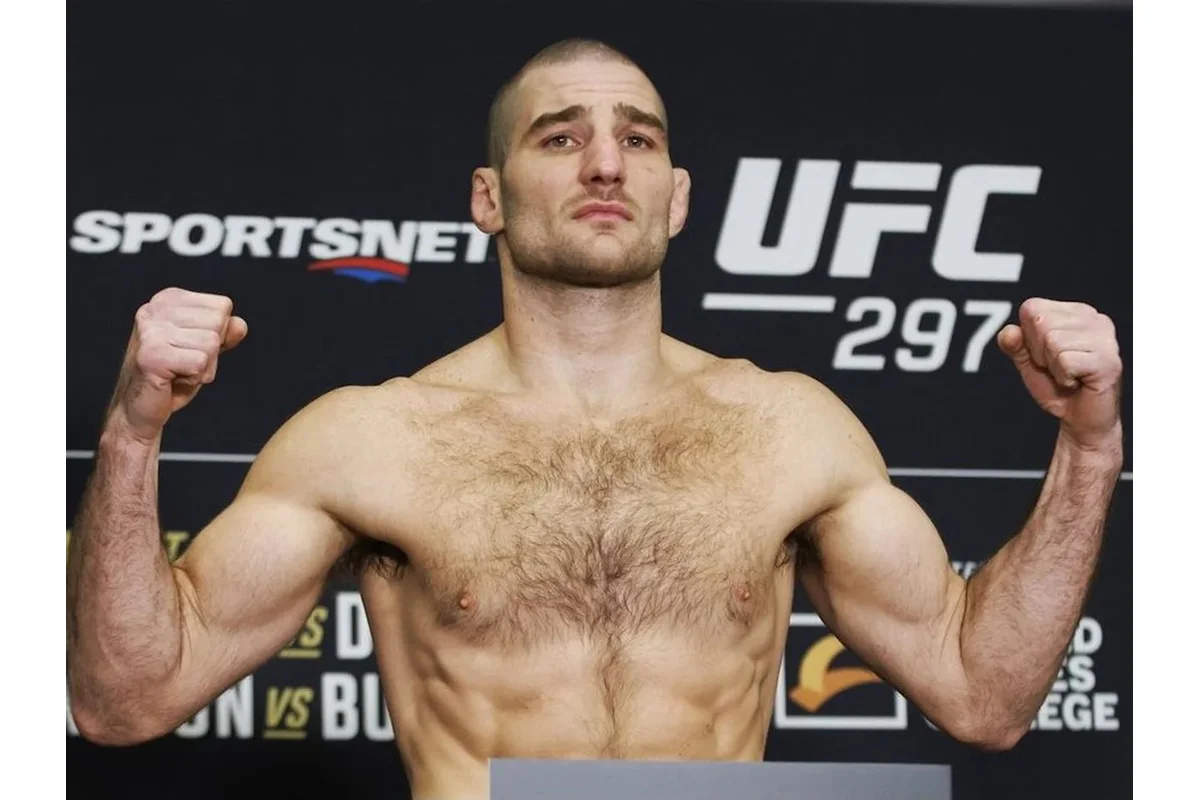
Sean Strickland, set to headline UFC Houston against Anthony Hernandez on Saturday at the Toyota Center, has openly expressed dissatisfaction with the UFC’s recent decision to raise fight night bonuses to $100,000. Strickland’s remarks come ahead of his first bout in over a year and focus on his belief that the promotion’s pay structure remains unfair despite the increased bonuses, which he argues do not reflect a real rise in fighter compensation.
The middleweight contender, aiming to position himself for a title shot against champion Khamzat Chimaev, has also stirred controversy recently with outspoken comments unrelated to fighter pay. However, his latest criticism targets the UFC’s pay model directly amid ongoing debates on athlete compensation in the sport.
Analysis of Fighter Pay Raises and Strickland’s Stance on UFC Compensation
In early 2026, fighter remuneration became a central topic following the UFC’s massive $7.7 billion broadcast agreement with Paramount. The organization promised pay increases, but so far, the primary change has been the doubling of traditional fight night bonuses from $50,000 to $100,000. Strickland, however, dismissed this change, telling Complex,
“No one’s getting paid more. What’s the new bonus? 50? 100?”
He continued to highlight what he sees as a fundamental imbalance between UFC earnings and the pay athletes receive.
“As far as the pay scale, when you compare it to any other sporting event, the UFC is the most f—ed up. Athlete pay versus what [the UFC] is making, there is no argument there. It’s not fair. It’s predatory.”
Strickland further stated,
“I would just like it to match any other sporting event. Any other sporting event — how much they’re making is what we should get paid,”
and added,
“Let’s say the NFL gives 70 percent of its profits — I’m making this up — to their players. The UFC should do the same.”
Context of UFC’s Promises and Fighter Comments on Pay
Despite UFC President Dana White’s assurances that the new Paramount deal would lead to higher fighter pay, the evidence has largely been limited to enhanced bonus payouts. Some prominent fighters have publicly expressed doubts about whether the pay scale has improved. Justin Gaethje reported that his earnings for UFC 324 remained comparable to what he would have received during the UFC’s ESPN era.
Meanwhile, Ronda Rousey recently suggested the UFC is less motivated to stage major fights since ending its pay-per-view model. Rousey explained that her negotiations to fight Gina Carano fell through partly because the promotion appears focused more on cutting expenses than investing in marquee bouts. These remarks add to a growing sense of unease among fighters regarding the financial direction of the UFC.
The Broader Impact on Fighters and the UFC’s Financial Model
Strickland’s blunt criticism highlights ongoing tensions between UFC athletes and management over pay fairness, especially as the promotion’s revenues have expanded dramatically. His comments reflect wider frustrations shared by veterans such as Rousey and Gaethje, emphasizing how many fighters perceive their earnings as disproportionate to the sport’s commercial growth.
The debate around fighter pay in the UFC raises questions about the future of athlete compensation and contract negotiations, particularly with lucrative broadcast deals raising expectations. As Strickland and his peers continue to voice dissatisfaction publicly, the UFC faces pressure to reassess its approach to rewarding its talent, ensuring pay aligns more closely with the organization’s financial success and the demands placed on fighters.
Lone Star State… get ready for him tomorrow 🚨
[ #UFCHouston | @SStricklandMMA | 8pmET on @ParamountPlus ] pic.twitter.com/KYpaenTjGO
— UFC (@ufc) February 20, 2026
