
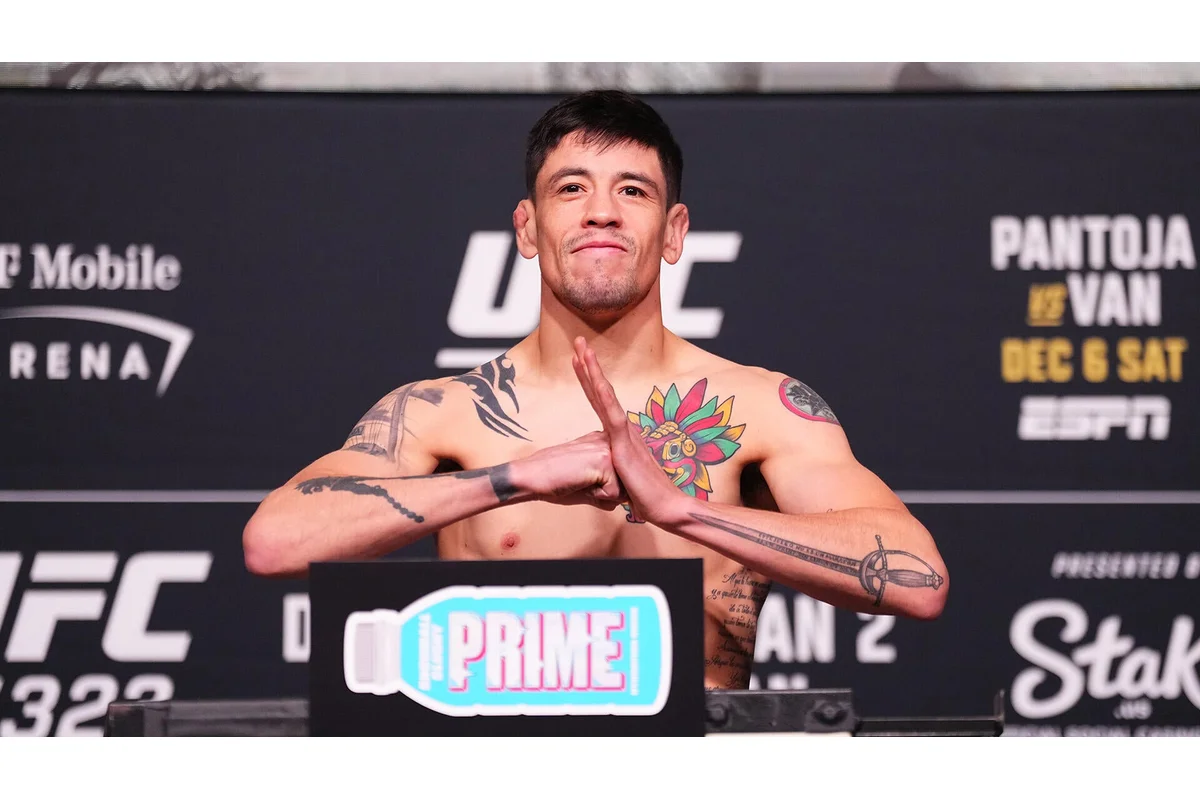
During a recent press interaction, Mexican UFC fighter Brandon Moreno was asked about his participation in a UFC-related event at the White House. His succinct reply,
“Why would I want to be there?”
firmly declined the invitation and drew attention due to its straightforwardness. This exchange occurred amid growing public and media interest in UFC fighters’ involvement in political or national events.
Context of White House Events Involving Sports Figures
It is common for prominent athletes and sports personalities to be invited to White House gatherings, especially for roundtables or celebrations acknowledging sports achievements. Recently, political figures, including former President Donald Trump, have hosted college sports roundtables featuring high-profile figures such as Nick Saban, Urban Meyer, Adam Silver, and Tiger Woods among others. These events often garner significant media coverage because of the attendance of top-tier sports leaders and executives from ESPN and Fox Sports.
Media Reactions and Broader Discussions Surrounding Athlete Engagement
The limited but pointed response from Brandon Moreno contrasts with other media personalities and athletes’ remarks on sports and politics. For example, ESPN’s Chris Berman linked the ongoing NFL discussions about expanding the regular season to the aftermath of Damar Hamlin‘s injury, highlighting the complex interplay between sports events and broader societal concerns. Additionally, commentators such as Keith Olbermann and Tim Hardaway Jr. have offered memorable statements on their respective subjects, reflecting the varied ways athletes and media figures engage with public issues.
Significance of Moreno’s Statement and Future Implications
Brandon Moreno’s decisive refusal to attend the White House event signals a conscious choice to separate his sports career from political appearances. As UFC and its fighters continue to rise in mainstream prominence, such responses may influence how athletes navigate public engagements beyond the octagon. This stance also fosters discussion about the roles athletes choose to play in political or national ceremonies, potentially shaping public expectations and media narratives in the future.
