

On February 28, 2026, UFC Fight Night 268 took place at Arena CDMX in Mexico City, spotlighting a significant matchup between Brandon Moreno and Lone’er Kavanagh. This event marked the UFC’s eighth trip to Mexico’s capital and the first since March 2025, placing Moreno UFC walkout songs at the heart of a moment that captures the fighter’s identity and connection with fans.
Before the first strike in the Octagon, walkout music serves as a powerful expression of each fighter’s personality and mindset. For Brandon Moreno, a former two-time flyweight champion and one of Mexico’s most prominent MMA figures, the chosen track is more than just a beat—it represents his spirit and roots, strengthening his bond with the Mexican audience.
Brandon Moreno’s Walkout Tunes Reflect Identity and Pride
Brandon Moreno consistently walks out to “El Corrido Del Bebe Asesino” by Ariel Macias, a song that embraces his well-known nickname, “The Assassin Baby.” This track resonates deeply in Mexico City, where the fighter’s heritage is celebrated alongside his accomplishments. Moreno’s tattoos, interviews, and demeanor all echo his strong connection to his homeland and the respect he carries for his fight journey since joining the UFC in 2019.
Originally, UFC Fight Night 269 was set to feature Lone’er Kavanagh against Bruno Silva, but an injury to Asu Almabayev reshaped the lineup, positioning Kavanagh as Moreno’s challenger. Kavanagh expressed gratitude for the opportunity, viewing it as a sign of trust from the UFC and his team.
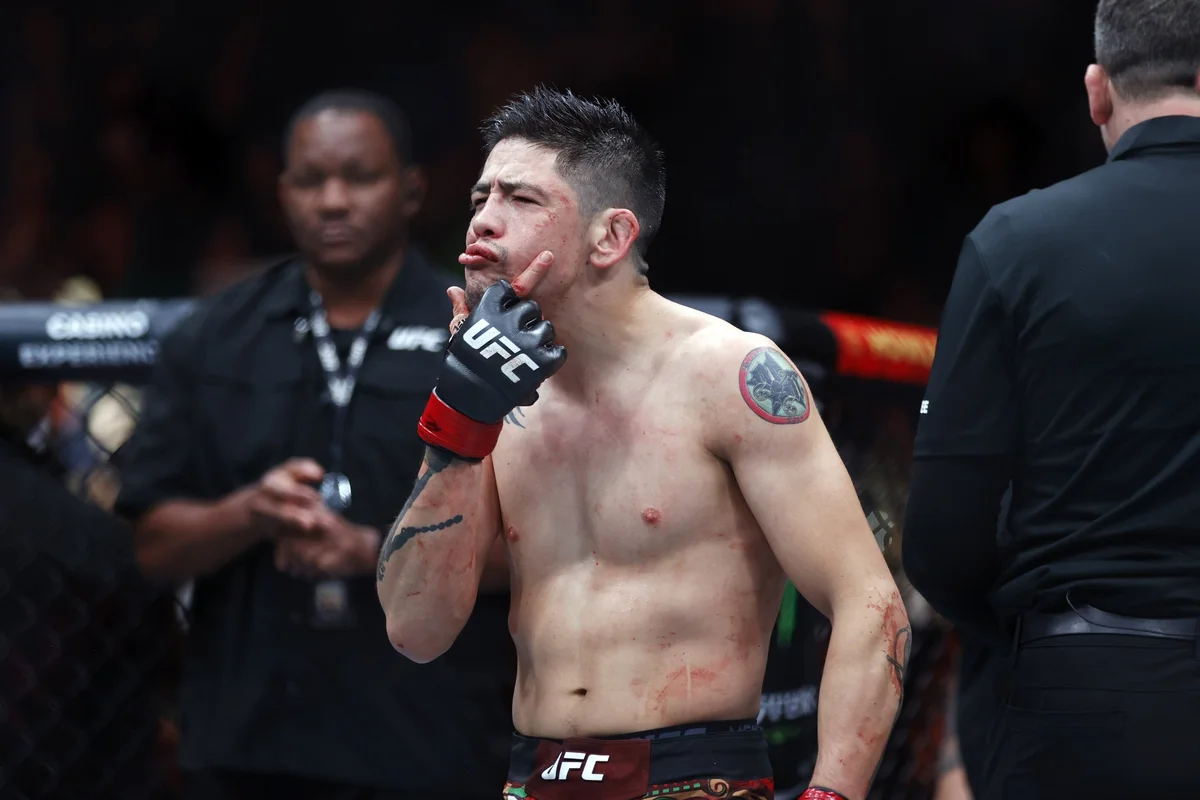
“I’m very thankful for the UFC to give me the call,”
he shared in a recent UFC.com interview.
“It gives me confidence that they believe in me, as well as my coaches believing in me, and that’s all I need. Brandon’s been around for a long time — he’s a legend, he seems like a nice guy — but I want to do whatever it takes to become champ. I’ve got one mission and I’m gonna do that.”
?Lone’er Kavanagh, UFC Fighter
While Kavanagh’s walkout music hasn’t been publicly documented, this reflects his emerging status on the world stage. Many fighters on this card are talented prospects building their reputations, making detailed walkout information less accessible.
Diverse Musical Choices Among Fighters at UFC Mexico
Other participants at UFC Mexico also showcase musical selections highlighting their identities. Marlon Vera, known as “Chito,” frequently adapts his walkout songs but maintains a consistent theme of pride in his Ecuadorian roots. Against Pedro Munhoz, he entered the Octagon to “Where You Come From” by DJ Khaled featuring Buju Banton, a track that reverberates with hometown pride. Later, when he fought Dominick Cruz, Vera opted for “Spanish Town Rockin” by Chronixx, maintaining his confident presence with a different rhythmic style.
King Green, who previously fought as Bobby Green, is another fighter who changes his walkout music regularly. At UFC 304, he walked out to Kendrick Lamar’s “Euphoria,” while at UFC 300, he chose “GO” by Chief Keef. These rotations fit his dynamic and flashy fighting technique developed over a career starting in 2008.
For Mexican prospects fighting in front of home fans, songs like “Golden Boy” by Gibran Nolasco, used by Daniel Zellhuber, emphasize nicknames and cultural ties. Similarly, Édgar Cháirez energizes the local crowd with “Los Mexicanos” by Sieck. Kevin Borjas blends Latin influences with heritage through selections such as “Alma Corazon y Vida” by 7/14 Meidin Peru and Norick, adding layers to his personal fight story.
Not all fighters’ walkout songs are available, particularly for newcomers or less established athletes. This opportunity to glimpse varied soundtracks across UFC Mexico contributes to the event’s vibrant atmosphere, celebrating diversity within the sport.
The Impact of Walkout Music on Fighter Image and Fan Connection
Walkout songs play a crucial role in shaping how fighters present themselves before the fight, affecting fan perception and creating an emotional atmosphere. For Brandon Moreno, his choice reinforces the legacy he has built as one of Mexico’s most celebrated fighters. Using music linked to his nickname and heritage strengthens his identity and energizes supporters.
For emerging fighters like Lone’er Kavanagh, walkout music and the event stage represent an opportunity to establish their presence and prove their determination to reach championship status. Music becomes an extension of their mindset, confidence, and resolve.
At UFC Mexico and beyond, the variation in walkout songs—from artists like Ariel Macias, DJ Khaled, Kendrick Lamar, and others—highlights how deeply culture, personal history, and aspiration weave into the UFC experience. As fighters continue to build their careers, these musical choices will remain a window into their true spirit, signaling to fans what kind of fight and personality to expect inside the cage.
