
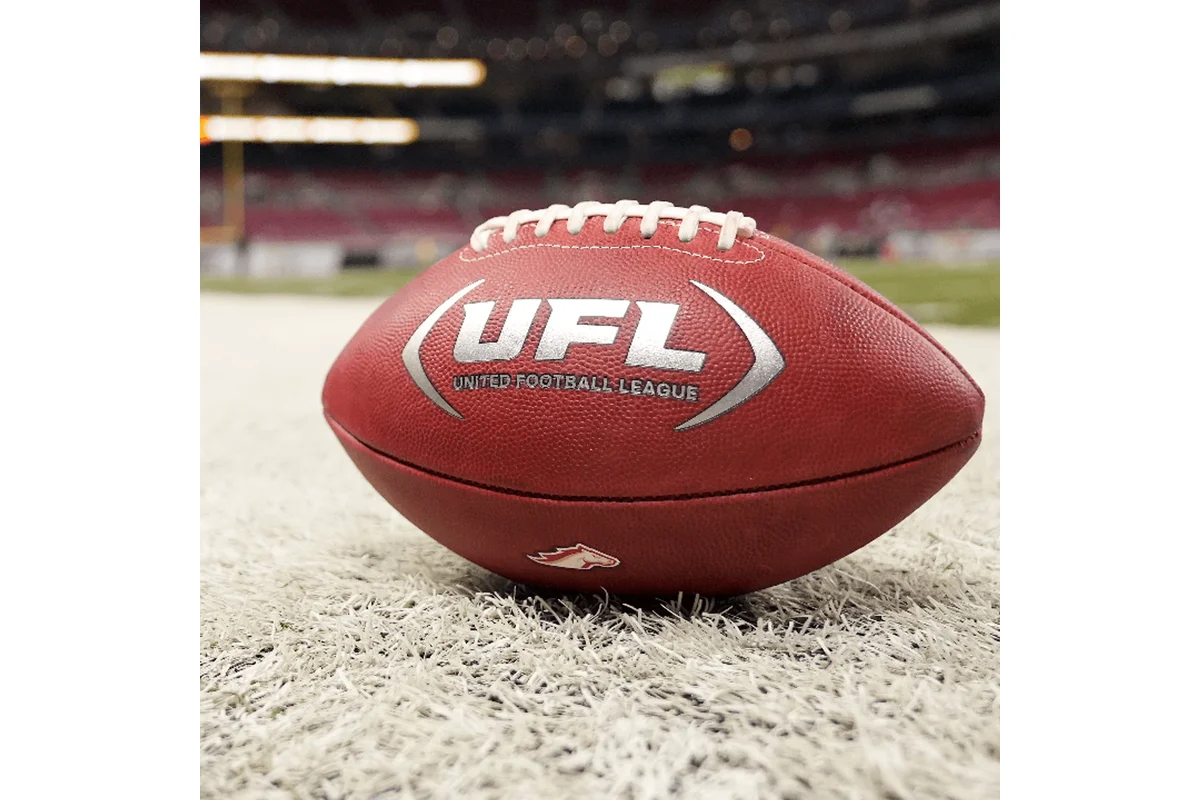
The United Football League (UFL) will introduce several significant rule changes starting March 27, 2026, aimed at increasing excitement and scoring during games. Among the most notable are the return of the coin toss, the introduction of four-point field goals for kicks 60 yards or longer, and restrictions on punting inside the opponent’s 50-yard line. These alterations reflect the league’s commitment to a faster-paced and more thrilling football experience.
By incorporating the latest strategies and data-driven analytics, the UFL is reshaping how games are officiated, played, and scored to emphasize big plays and continuous action, placing a strong focus on fan engagement and player safety.
Four-Point Field Goals to Reward Long-Range Accuracy
One of the standout changes is the adoption of a four-point reward for successful field goal attempts from a distance of 60 yards or more. This rule acknowledges the increasing skill level of kickers, who have recently demonstrated remarkable range and accuracy.
Dean Blandino, the UFL’s head of officiating and FOX Sports rules analyst, highlighted the motivation behind this rule, saying,
“What the kickers have done in the NFL the last couple of years, especially last year, 60-yard field goals are the new 50-yard field goals — it’s incredible.”
NFL statistics from the previous season show that kickers converted 57% of their field goal attempts from beyond 60 yards. Blandino further explained the risk-reward balance:

“How can we just prioritize this and understand that when you kick a 65-yard field goal there’s a great risk. If you miss, you’re giving your opponent a really good field position. If you miss short, that can get returned for a touchdown. We’ve seen that. So with that greater risk, why shouldn’t there be greater reward?”
Prohibition of the “Tush Push” to Clarify Fair Play
The UFL has chosen to ban the “tush push,” a controversial tactic where teammates push the quarterback forward during a QB sneak. This measure is intended to maintain fairness and player safety on the field by eliminating a play that has drawn scrutiny in professional football.
One Foot In Bounds Rule to Boost Passing Opportunities
Adopting a regulation from NCAA football, the UFL will now recognize a catch as legal if the receiver has one foot in bounds rather than requiring two. This change is expected to increase passing opportunities, elevate scoring chances, and potentially improve player safety by encouraging more dynamic offensive plays.
Adjusted Red Zone Penalties to Match NFL Standards
Penalties committed within the red zone will now be enforced as half the distance to the goal line, aligning with current NFL rules. This adjustment aims to balance fairness and strategic defensive play near the scoring area.
Punting Restricted Inside Opponent’s 50 Until Late Game
The new rule prohibits teams from punting once the ball is inside the opponent’s 50-yard line until the two-minute warning of either half. Even if a penalty or loss of yardage pushes the ball behind the 50-yard line after it is made ready to play inside the zone, punting remains disallowed. Punting is only permitted at the 50-yard line or beyond.
According to Blandino, this rule forces teams to adopt a more aggressive approach on offense. He noted,
“When you get inside the 50-yard line, the number of punts is significantly down. Teams do not punt for the most part inside the 50, unless it’s fourth-and-forever, so we felt like the game again is changing with all the analytics and everything else that’s happening.”
He elaborated,
“Let’s make it a rule where once you cross the 50, and the ball is made ready for play, you can’t punt for the rest of that possession. So we’re forcing the coaches to be aggressive. Maybe if a coach is a little less, is a little more conservative (in the past). Now, you can’t be conservative. You have to be aggressive. You gotta go for it.”
Teams regain the ability to punt inside the 50 only during the last two minutes of either half, adding a time-based strategic element to special teams play.
Expanded Point-After-Touchdown Choices Introduced
Teams will have three options for their point-after-touchdown (PAT) attempts, including a new three-point option:
- One-point conversion: A kick from the 33-yard line.
- Two-point conversion: A scrimmage play starting at the 2-yard line.
- Three-point conversion: A play starting at the 8-yard line.
The previous season did not allow kicking extra points, leading most teams to attempt two-point conversions from the 5-yard line.
Blandino explained the rationale behind reinstating the one-point kick:
“It’s tough to run it in from the 5, so it really became a pass-only play in the low red zone, which is more compact. Even that pass play became a harder play to execute, so we felt like let’s bring the one-point kick back. Similar to what the NFL does, snapping from the 15-yard line, ends up being a 33-yard field goal. You have that option. You could also go for two [points] from the 2, which is basically a 50% play in the NFL.”
Regarding the three-point attempt, Blandino said,
“We moved the three-point play spot up to the 8-yard line because that’s about 30% [conversion rate] when you look at some of the numbers from the NFL last couple years.”
Traditional Coin Toss Returns to Game Start and Overtime
Prior to games and overtime, the UFL will reinstate a standard coin toss where the visiting team calls heads or tails. The winner of the toss will then choose whether to start on offense, defense, or select field position. This differs from past seasons when the home team always made the initial choice.
Overtime Procedure Altered to Include Limited Attempts
In overtime, both teams will alternate attempts from the 5-yard line, with each side receiving three tries. If the score remains tied after these attempts, the teams will continue alternating attempts until one team outscores the other.
Interestingly, a coin toss will replace the prior rule permitting the home team to choose offense or defense first in overtime.
Revamped Kickoff Rules Aim to Improve Safety and Field Position
- The ball will be kicked from the 30-yard line instead of the 35.
- The kickoff coverage team will now line up at the receiving team’s 45-yard line, a five-yard increase from the previous 40-yard line.
- The receiving team must position at least nine players between the 35-yard and 40-yard lines, a shift upward compared to the previous 30-to-35-yard zone.
- The landing zone for the kickoff is designated between the receiving team’s 20-yard line and the goal line. If the ball does not land in this zone, it will be spotted at the 40-yard line.
- If the kickoff goes out of bounds, the ball will be placed at the 40-yard line.
- There will be two touchback spots: the 40-yard line for kicks that go into the end zone and the 20-yard line for balls that land in the landing zone and subsequently enter the end zone. Previously, the touchback spot for kicks into the end zone was the 35-yard line.
Blandino discussed the impact of these modifications, saying,
“This keeps the return in the game, but also keeps it safe from the player’s perspective, where the players are closer together. You don’t have the long run-ups, you don’t have the higher-speed collisions. The tweaks we made this year were to continue to look at improving starting field position. We just moved everybody back five yards. It’s going to give the returners an additional five yards.”
He added,
“We feel like that’s going to improve field position, which promotes scoring, and again, is in line with what our goals are for the season.”
UFL’s Vision Focused on Innovation and Entertainment
With these rule changes, especially those driven by Dean Blandino and Mike Pereira’s officiating philosophies, the UFL demonstrates its commitment to providing a fast-paced, engaging football product. The emphasis on continuous action, increased scoring opportunities, and enhanced player safety reflect a league eager to stand out in the professional football landscape.
As the 2026 season unfolds, both teams and coaches will be challenged to adapt their strategies to these updated regulations, likely resulting in more dynamic playcalling and aggressive decisions. Ultimately, these changes are meant to make UFL football memorable for fans and players alike, further establishing the league’s reputation for innovation and excitement in the sport.
