
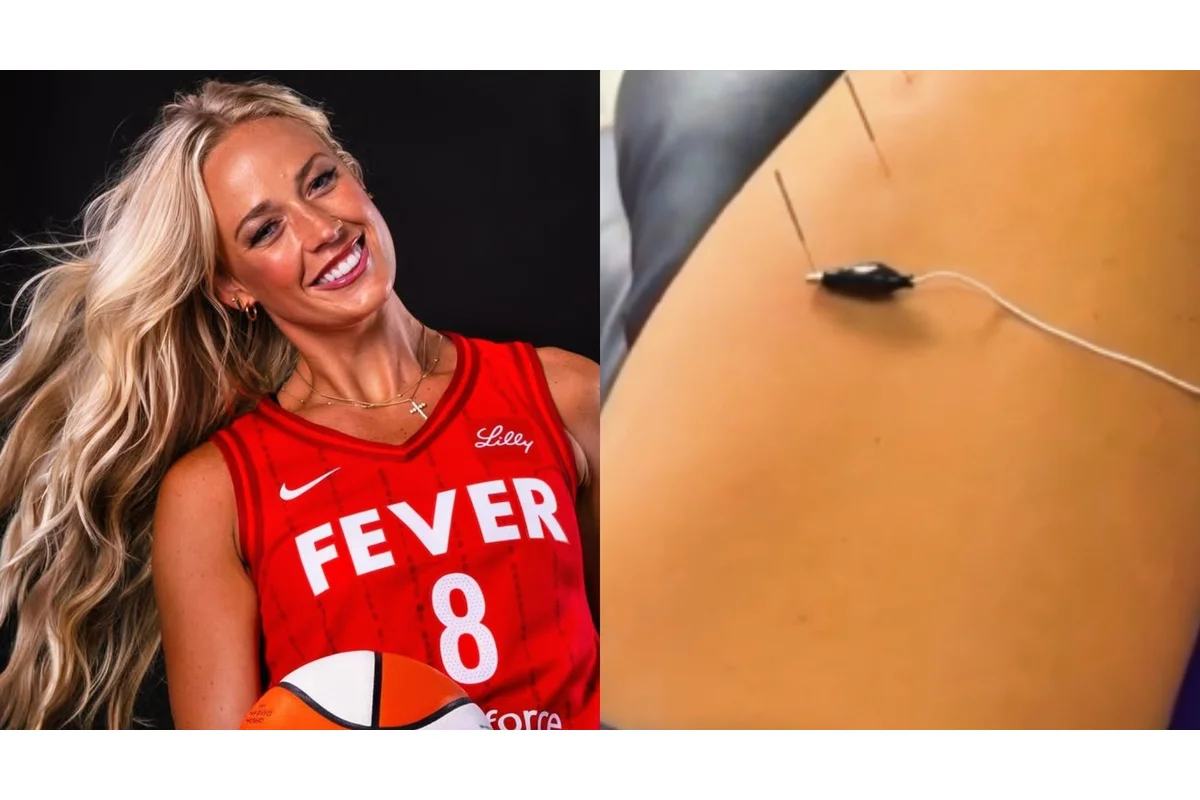
On February 3, 2026, Sophie Cunningham publicly weighed in on which WNBA ownership groups she believes are most engaged in the league’s future, notably excluding the Indiana Fever from her list. Cunningham’s remarks come at a critical time as the WNBA approaches free agency and continues to face stalled Collective Bargaining Agreement (CBA) talks. Highlighting Sophie Cunningham WNBA ownership involvement, her comments signal growing player awareness around which organizations demonstrate real investment and leadership.
Owners Recognized for Player-First Approach
During an episode of Show Me Something, Cunningham identified ownership groups in New York, Seattle, and Phoenix as the most active supporters of the league’s growth. She emphasized that these groups prioritize players’ needs and understand that initial financial losses will pay off through increased ticket sales and revenue sharing. Cunningham stated,
“I feel like the frontline owners who are most involved, I would say right now, would be New York, Seattle, and Phoenix,”
and added,
“They are very player-first. They know you might lose a little money on the front end, but you get it back if you invest. At the end of the day, if you give players what they want, you’re going to win. Ticket sales go up. Everything goes up. But it all comes back down to revenue share.”
This candid assessment underscores the standard players are holding ownership to and sheds light on where Cunningham sees priorities aligned with player welfare and league sustainability.
Omission of Indiana Fever Draws Attention Amid Cunningham’s Recent Tenure
The notable absence of Indiana Fever ownership from Cunningham’s commendation list is especially significant given her direct ties to the franchise. Cunningham spent the 2025 season with Indiana after being traded ahead of the year. She quickly became a key figure, partnering with Caitlin Clark to define the team’s identity on the court. Across 30 games, Cunningham averaged 8.6 points, 3.5 rebounds, 1.2 assists, and one steal per game while shooting 43.2 percent from beyond the arc, contributing both offensively and defensively.
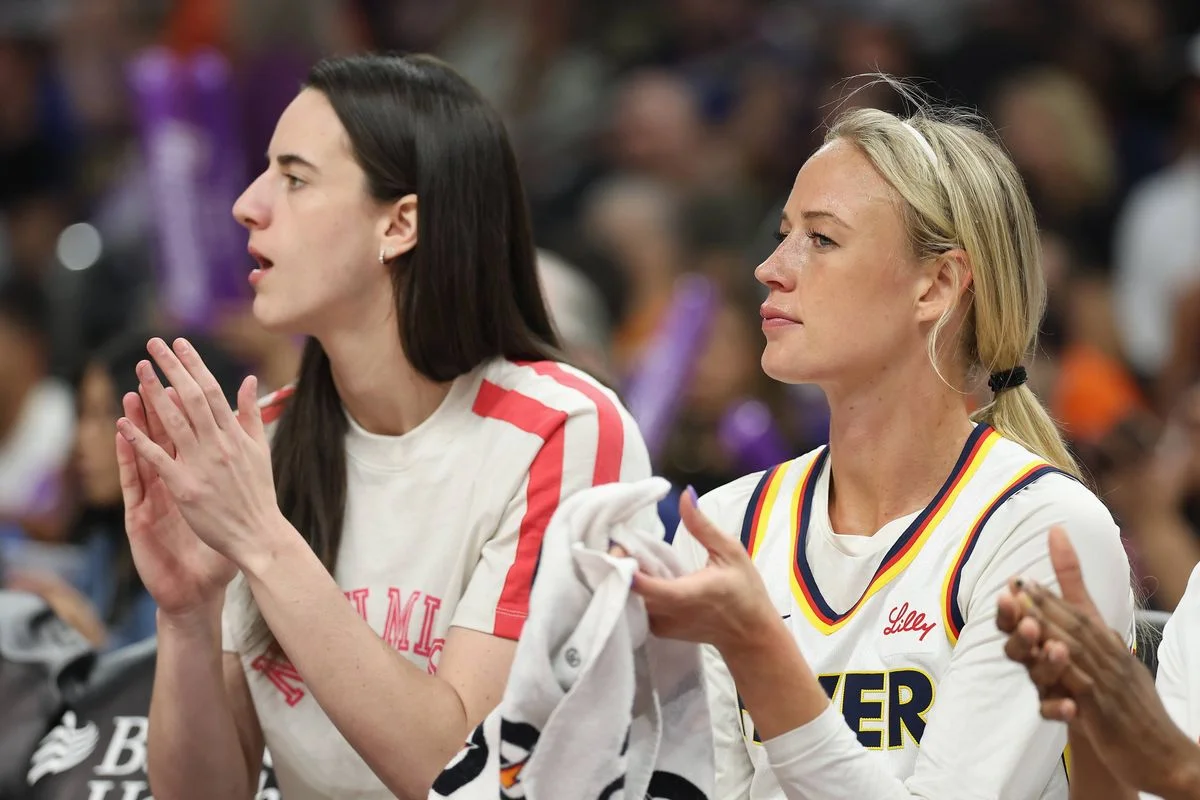
Unfortunately, a torn MCL in August truncated Cunningham’s season, yet her impact on the court was clear. Off the court, however, the Fever’s ownership maintained a low profile during the ongoing CBA uncertainty and did not publicly indicate plans to retain Cunningham, a contrast to the visible support she praised in other markets.
The Business of Basketball: Cunningham’s Broader Vision
Cunningham’s comments extend beyond mere team loyalty; they reflect an emerging player consciousness around the WNBA’s business mechanics. She expressed ambition beyond playing, sharing on the podcast,
“I think that one day it would be so fun to be the commissioner,”
revealing how seriously she is contemplating the league’s governance and future direction. She further elaborated,
“I have seen the league when it hasn’t had this CBA frustration, and I’m in the process of seeing where this thing could be. I’m learning the business. I’m learning the sport.”
Currently an unrestricted free agent, Cunningham is uniquely positioned to compare organizational cultures and their commitment to player-centric growth. The stalled negotiations and her front-row perspective have sharpened her view on what leadership should look like moving forward.
Caitlin Clark and Cunningham: Emerging Leaders Off the Court
Sophie Cunningham is not alone in this shift toward wider involvement beyond game time. Caitlin Clark recently appeared on NBC’s pregame show with Reggie Miller, engaging in discussions that went beyond basketball and touched on the league’s present state. Cunningham praised Clark’s media presence, stating,
“First of all, I think she did a really good job. She was a natural up there,”
then affectionately added,
“She’s a dweeb. She knows the game, so that’s no shock.”
Cunningham also objected to Miller’s comparison of Clark to Payton Pritchard, indicating players are aware and protective of their narratives. This dynamic illustrates how WNBA athletes are taking charge of their public personas and league messaging as part of their evolving roles.
Player Expectations for Ownership Visibility and Investment Intensify
The absence of Indiana ownership in Cunningham’s recounting speaks volumes amidst a critical period when visible commitment means more than words. As players weigh revenue-sharing frameworks and future contracts, active and transparent ownership signals trust and accountability. Cunningham’s selective praise draws a clear line showing where she and likely other players see genuine investment happening.
Her stance also sends a message that player trust is fragile and contingent on ongoing engagement from ownership groups nationwide. With the upcoming free agency period, player evaluations of organizational culture and leadership will increasingly influence decisions on where to play.
The Significance of Cunningham’s Voice in Shaping the League’s Future
Sophie Cunningham’s emerging leadership both on and off the court signals a new phase in the WNBA, where players are no longer passive participants but active architects of the league’s direction. By calling out ownership groups she believes are genuinely involved, Cunningham emphasizes the importance of transparency and proactive investment for the league’s viability.
Her perspective offers insight into how frontline owners impact player morale and league growth, potentially influencing negotiations and team compositions in the near future. As discussions around the CBA continue and free agency unfolds, Cunningham’s voice will likely remain a significant force guiding expectations for ownership accountability and league advancement.
