
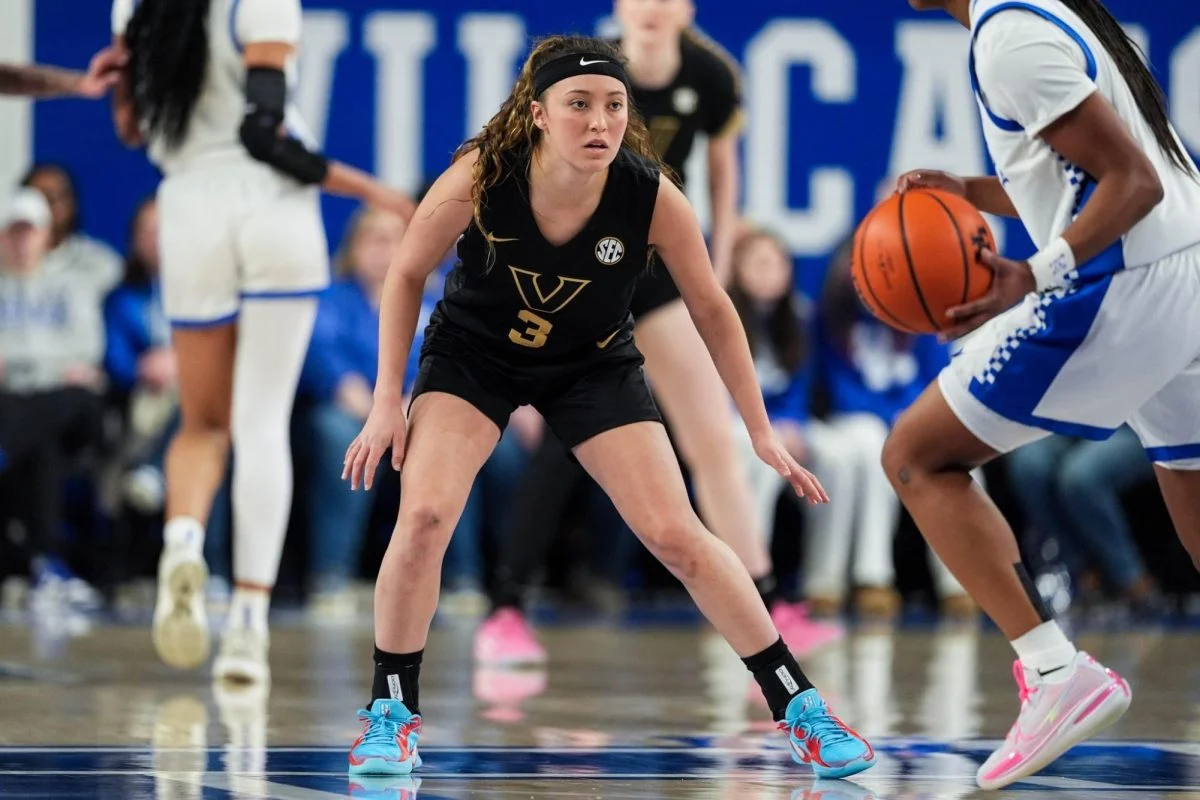
For decades, women’s sports have faced significant challenges and barriers, reflecting broader struggles for equality. The current WNBA players labor fight highlights this ongoing struggle as athletes push for fair treatment and better conditions, underscoring a larger movement that champions women’s rights in sports. This fight, happening now, serves as a pivotal moment reflecting both progress made and the road still ahead.
A Legacy Rooted in Decades of Advocacy and Change
The WNBA players stand on a foundation built by generations who challenged and reshaped women’s participation in athletics. Historically, female athletes fought hard just to be taken seriously, often facing societal resistance. Legal milestones such as the Nineteenth Amendment not only secured voting rights but also helped to protect women involved in sports. The landmark passage of Title IX in 1972 was especially crucial, offering protections that greatly expanded opportunities for women’s collegiate athletics and began leveling the playing field significantly.
Before Title IX, the concept of women traveling for intercollegiate competitions was rare. Smith College made early strides by establishing intercollegiate sports for women in 1892, setting a precedent for nationwide change. Title IX’s protections remain vital today, though they face ongoing challenges, and continue to inspire athletes fighting for equality in every sport.
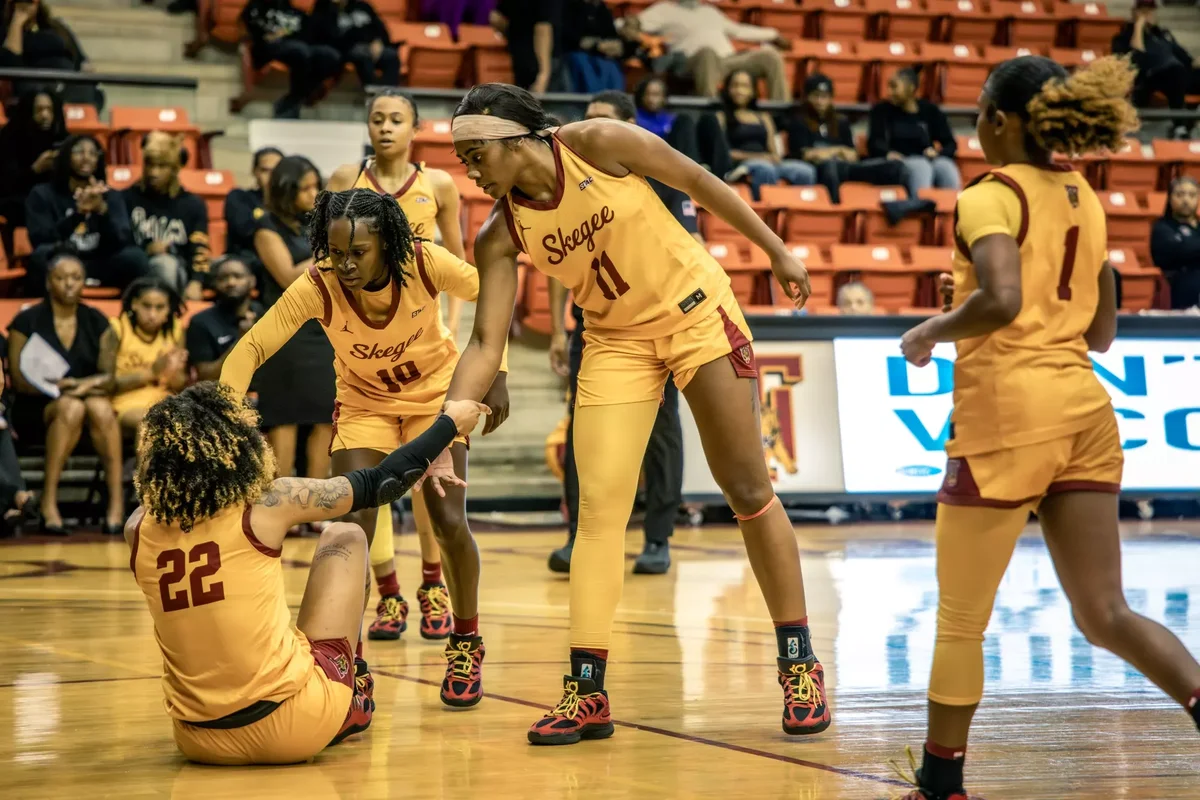
Women Who Transformed Sports Through Persistence and Courage
The history of women in sports is filled with figures who broke barriers through tenacity. Babe Didrikson Zaharias stands out as a trailblazer, noted as the only woman among just five to compete in a PGA event. Toni Stone, often called the “female Jackie Robinson,” was the first woman to play professional baseball, highlighting early integration efforts.
Billie Jean King is widely recognized not just for her tennis achievements, but also for her lifelong dedication to advancing women’s roles in sports. Nancy Lieberman paved the way in men’s professional basketball, while Venus and Serena Williams shattered racial and gender barriers in tennis, inspiring countless Black girls to pursue the sport. These individual stories reflect broader collective struggles within women’s athletics.
Group Efforts Highlighting Solidarity and Progress in Labor Rights
Beyond individual pioneers, women’s sports have been shaped by cohesive group activism. The U.S. Women’s National Soccer Team’s successful fight for pay equity demonstrated the power of united voices demanding fairness alongside their male peers. Similarly, the National Women’s Soccer League (NWSL) has supported the WNBA Players Association’s ongoing labor negotiations, reflecting a growing movement of solidarity across women’s professional sports.
The WNBA players have consistently emphasized that their labor fight is not only for themselves but also for future generations of athletes and in honor of those who endured similar battles before them. While ongoing negotiations may test fans’ patience, the outcome is expected to resonate far beyond the league, potentially redefining conditions for the sport, its players, and its supporters alike.
“It’s tough to sit around and wait for an agreement to be signed, but it will be worth it — and it’s very likely we’ll look back on this moment as one that changed the game and made conditions better for everyone (the league, the players, the fans — all of us).” ?WNBA Player, Advocate
