
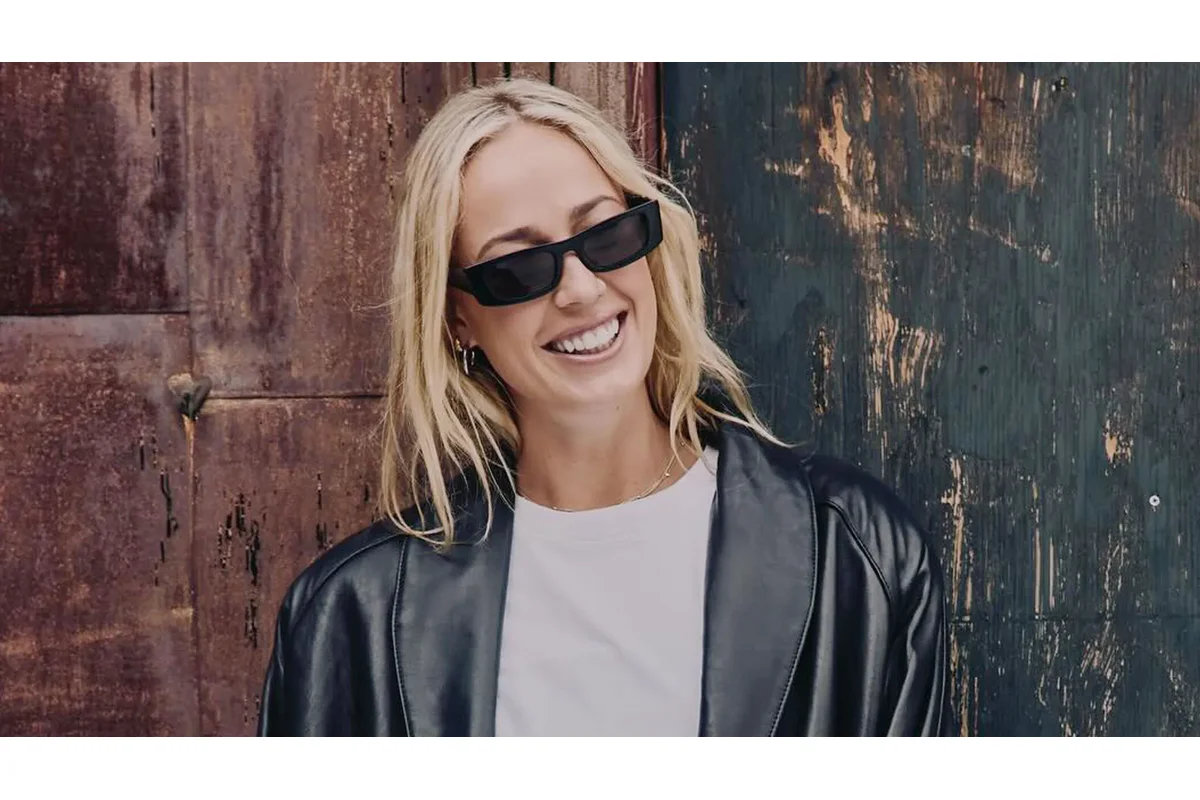
The WNBA is currently facing a pivotal moment this offseason as collective bargaining agreement (CBA) negotiations between the league and players’ union remain stalled. After a lengthy silence, the WNBA presented a new proposal to the union, but tensions persist. Sophie Cunningham, guard for the Indiana Fever, recently expressed strong feelings about a clear division among WNBA owners during her Show Me Something podcast.
Contrasting Commitment Levels Among Team Owners Highlighted
Cunningham revealed that the league’s ownership is split into two camps regarding investment in their franchises. She identified several teams, including New York, Seattle, Phoenix, and Indiana, as committed to significant support and growth.
“Half our league as owners want to pour in and give, and like the other half just don’t,”
Cunningham said.
“It was like New York, Seattle, Phoenix, Indiana. Indiana is building one of the best facilities in the entire world in 2027. Practice facilities.”
This division, she explained, results in some owners fully investing in their teams while others contribute only the minimum necessary to maintain operations.
Specific Owners Praised for Strong Player Support
Cunningham praised Indiana’s dedication to its players, comparing it favorably with franchises like New York, Phoenix, Seattle, San Francisco’s Valkyries, and Toronto, which she also expects to invest heavily in their organizations.
“Indiana takes care of you. They truly take care of you from top to bottom. New York does the same thing, Phoenix, Seattle, I think the Valkyries in San Fran do a great job. I think Toronto is going to do a great job, but like it just blows my mind that these other owners are doing the most bare minimum,”
she said.
“And it’s like, sell your team and let other people who want to be a part of something great, put their money into it.”
Impact of Owner Division on Upcoming Season and Negotiations
This visible rift among owners raises concerns about how it may influence ongoing CBA talks, especially as the league approaches critical offseason events such as the expansion draft for two new franchises, free agency, and the 2026 WNBA Draft. Cunningham’s remarks come amid growing anxiety that the league could experience its first-ever lockout, which would disrupt the 2026 season and profoundly affect players and fans alike.
Resolving these ownership and negotiation challenges swiftly is essential to ensure the WNBA’s continued growth and stability, allowing players to compete without interruption and maintaining momentum for the league’s future development.

