
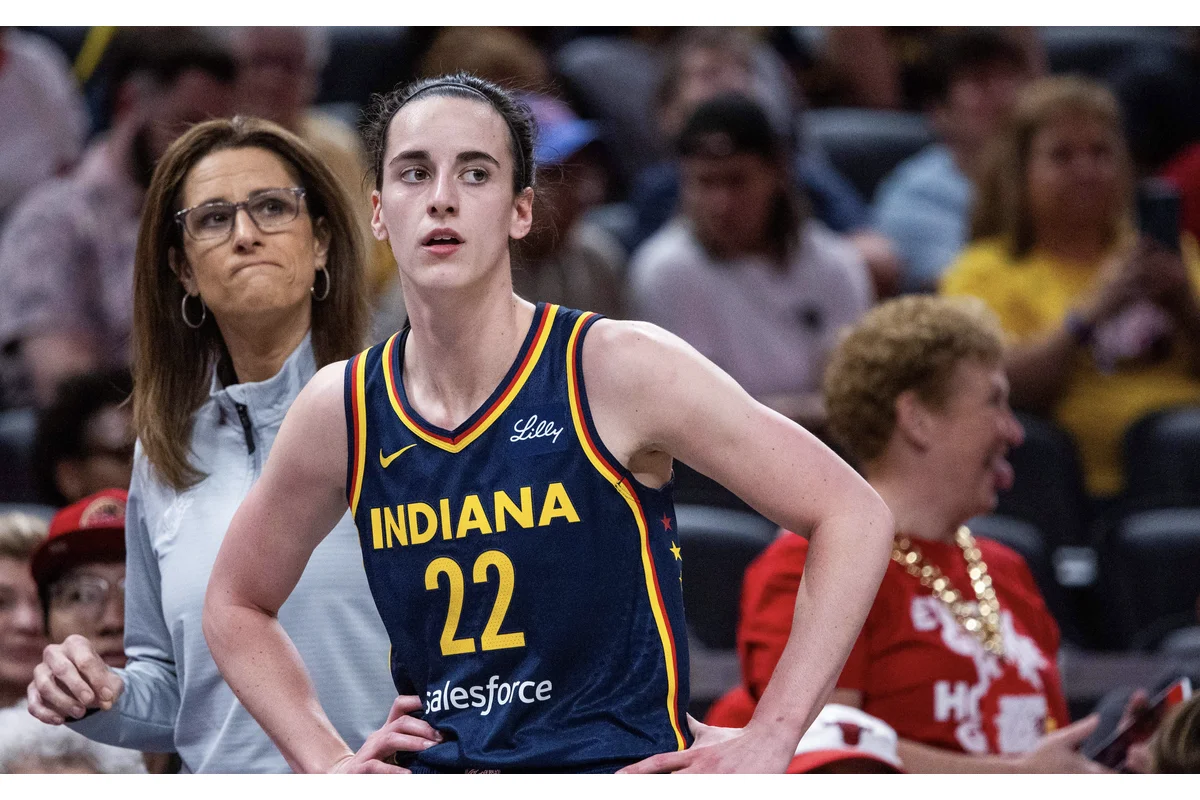
The WNBA and the WNBPA are approaching a pivotal deadline this March as contract negotiations remain unsettled, threatening the league’s upcoming 2026 season. With preseason set for April 25, unresolved issues around free agency and expansion drafts are creating uncertainty for teams and players, including standout Caitlin Clark and her Indiana Fever teammates.
Negotiations Stall as March Deadline Looms Over WNBA Season
Despite repeated deadlines, the WNBA and its players’ union have yet to reach an agreement on a new collective bargaining agreement (CBA). This impasse is especially tense because 80% of the league’s players are scheduled to become free agents, all having signed one-year contracts deliberately timed to align with the new CBA. Ramona Shelburne, a reliable WNBA insider, has highlighted that the majority of players currently lack guaranteed contracts for the next season, intensifying pressure to finalize terms quickly.
“80% of the league are free agents,”
Shelburne noted on The Rich Eisen Show.
“Everyone timed their contracts. Everybody signed one-year deals, and everyone timed their contracts to coincide with this new CBA. So literally, there’s not even really any teams. There’s only like 20% of the league that’s under contract for next year. So the pressure point is, at some point, there has to be a reasonable time for free agency… the two expansion teams need to have an expansion draft.”
With mid-February now behind them, the window to resolve these issues is closing fast. According to Shelburne,
“It’s got to happen sometime in March because those two things really do need to happen. It’s not just the draft and free agency, it’s not just the draft and training camps, it’s that nobody knows what team they’re on right now.”
The combination of stalled free agency and a frozen expansion draft has left roster planning in disarray.
Roster Uncertainty Threatens Team Preparations
Two prominent franchises, the Indiana Fever and the New York Liberty, are particularly vulnerable to the standstill. The Fever have at least 10 key players entering free agency, including Kelsey Mitchell, Natasha Howard, and Sophie Cunningham. Aside from Caitlin Clark, Aliyah Boston, and Makayla Timpson, the roster’s future remains uncertain, putting their readiness for the April 25 preseason matchup against the Liberty in doubt.
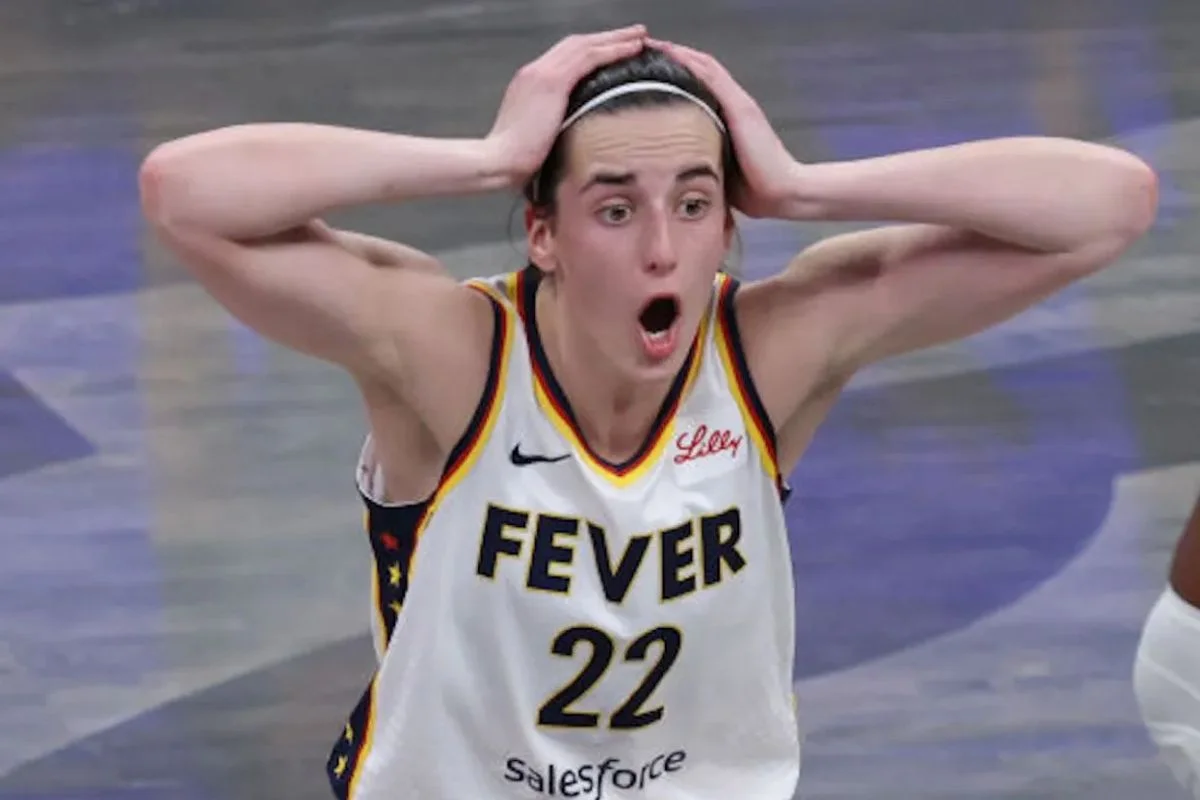
The Liberty face similar roster instability, as unrestricted free agents such as Breanna Stewart, Sabrina Ionescu, Jonquel Jones, Natasha Cloud, and Emma Meesseman could all depart without a new deal. This jeopardizes the defending champions’ ability to field a full competitive squad. Without a breakthrough, both marquee teams risk beginning the season with incomplete lineups, severely impacting competitiveness and fan engagement.
New CBA Proposal Brings Some Progress on Housing and Benefits
On the negotiation front, the WNBA submitted a new proposal last Friday that included guaranteed housing for all players in 2026—an important advancement compared to earlier offers. According to ESPN’s Alexa Philippou, this housing benefit would be scaled back in the following years, with one-bedroom apartments provided for minimum-salary and zero-service-year players in 2027 and 2028, and studios designated for developmental players throughout the deal.
This proposal followed a recent offer from the WNBPA, breaking a six-week deadlock and increasing momentum as the new season nears. Along with housing, the sides have agreed on expanding team rosters by two developmental spots, bolstering 401(k) contributions, improving staffing and facility standards, and ensuring charter flights for travel. The league also suggested implementing a recognition payment for retired players with eight or more years of service, starting at $4,500 annually.
Core Division Remains Over Revenue Sharing and Salary Caps
Despite advances on benefits and conditions, the fundamental dispute over revenue sharing persists, blocking a final agreement. The WNBPA demands an average of 27.5% of gross league revenue during the contract term, starting with 25% in Year 1 and a salary cap below $9.5 million. Meanwhile, the league estimates that adopting this model could lead to losses of approximately $460 million over the duration of the deal and labels the proposal as unrealistic.
Conversely, the WNBA’s offer would allocate over 70% of net revenue to players, which equates to less than 15% of gross revenue, paired with a $5.65 million salary cap for 2026. Although this cap marks a substantial increase from the $1.5 million ceiling in 2025, it remains far from the players’ expectations. This significant gap in compensation demands underscores why negotiations have reached a frustrating stalemate.
Implications for the League and What Lies Ahead
The unresolved dispute over revenue sharing and contract terms places the entire WNBA season at risk of disruption, directly affecting players like Caitlin Clark and the league’s expanding fan base. With only weeks before preseason activities commence, teams face unprecedented challenges in assembling rosters and preparing for competition, especially with free agency frozen and expansion drafts delayed.
The decisions made in March will be pivotal. If the WNBA and WNBPA can bridge their differences, players will gain long-awaited security and benefits, allowing the league to continue growing its presence and reputation. If not, the uncertainty could erode the competitive quality and financial stability of franchises, dimming the prospects for the athletes and fans who invest so deeply in the sport.
As the deadline nears, all eyes remain on the negotiation table, with particular focus on top players, franchise decisions, and the potential for new agreements to shape the future of the WNBA.
ESPN talks about when the pain points start kicking in, in the new CBA negotiations.
Full Video Here: https://t.co/HkdbCCqzQo pic.twitter.com/z4ji4MN093
— Ken Swift (@kenswift) February 21, 2026
