
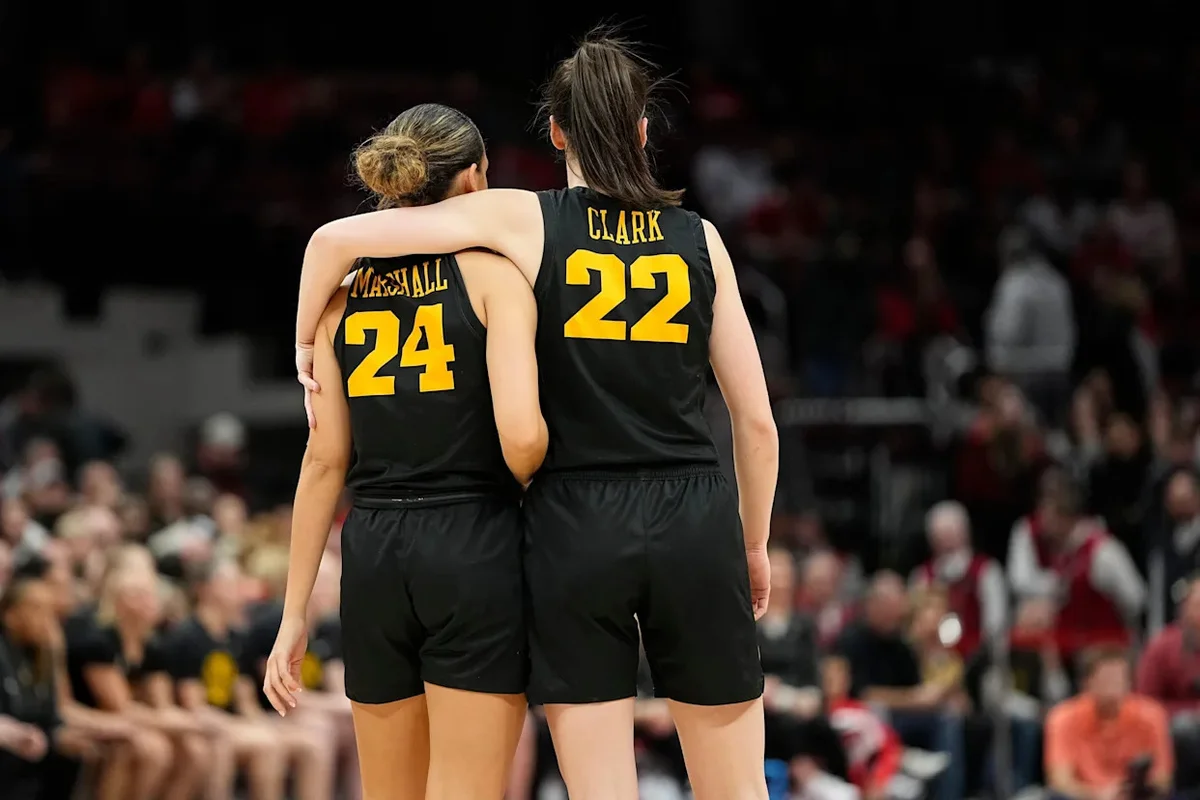
The Indiana Fever’s promising core, including Caitlin Clark and Aliyah Boston, faces a significant salary cap challenge as the team plans for the upcoming seasons. Under the proposed WNBA collective bargaining agreement (CBA), the league’s salary cap is expected to be around $5.65 million for 2026, which could leave Indiana with only about $3.4 million to build the rest of their roster if they sign Kelsey Mitchell to a supermax contract alongside retaining Clark and Boston.
This situation places the Fever in a tough spot as they try to maintain their emerging championship-caliber lineup while staying within financial constraints. Clark and Boston are currently on rookie deals, providing a cost-effective core, but that advantage diminishes when Mitchell’s contract negotiations begin.
Financial Impact of Max Contracts on Team Composition
Analyst Robin Lundberg has broken down the reasoning behind the cap crunch, pointing out that signing just one max salary player can take up a disproportionately large share of the cap. Lundberg stated,
“If the Fever only have one max player on their roster… if you give out even the one max salary to Kelsey Mitchell, that’s 20% of the cap.”
This leaves a smaller budget for the rest of the players.
He further highlighted the difficulties Indiana could face with other players seeking more than average salaries.
“I mean, if that is the case immediately, Lexie Hull’s a restricted free agent… she’s clearly worth more than an average salary. Sophie Cunningham… is going to be looking for more than an average salary,”
Lundberg added, underscoring the complexity of balancing a competitive roster under the cap constraints.
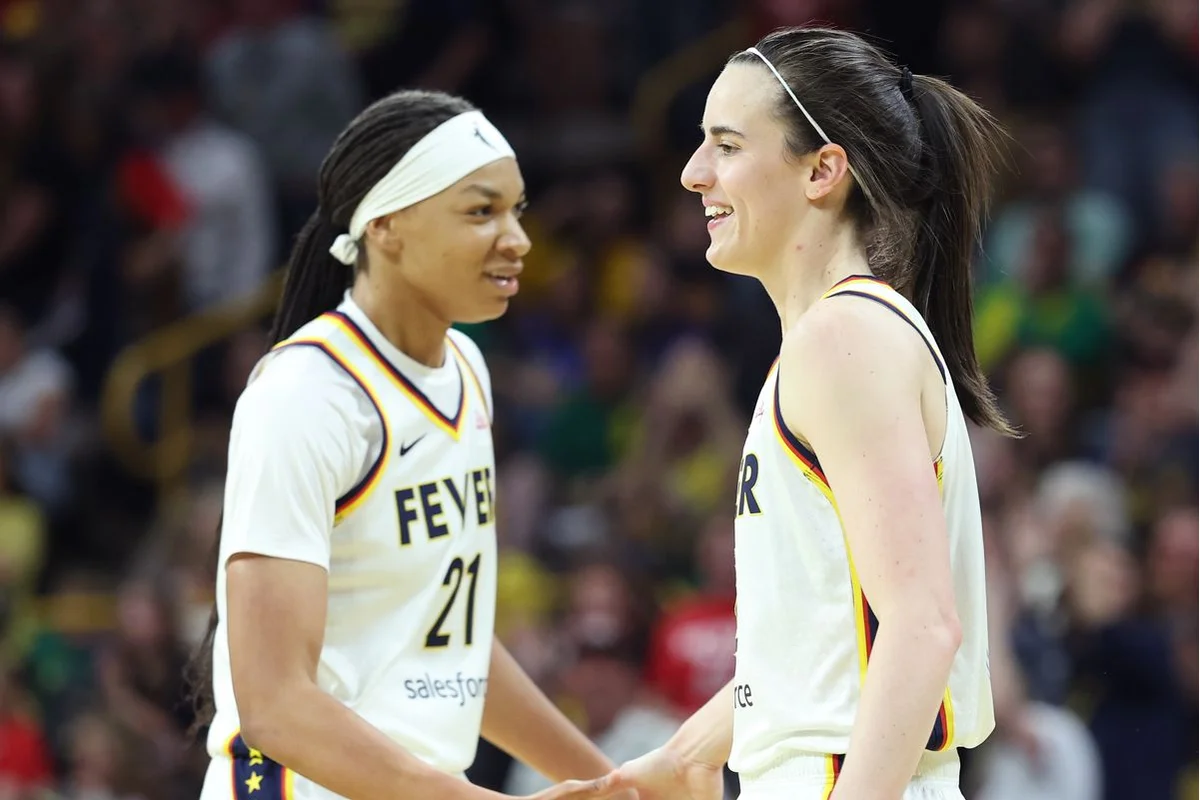
Because of these financial pressures, the Fever may be forced to make strategic compromises elsewhere on their bench to keep their key stars intact.
Ongoing Collective Bargaining Agreement Talks Influence Planning
Indiana’s chances of retaining their current roster hinge largely on the outcome of the WNBA’s ongoing CBA negotiations. Head coach Stephanie White has emphasized the importance of keeping Kelsey Mitchell and other returning players, but the projected $5.65 million cap contrasts sharply with players’ demands, which reportedly approach $9 to $10 million.
Until the league finalizes the salary cap, the Fever’s offseason roster decisions remain on hold. The overall financial framework will determine how the team structures contracts and pursues free agency.
The salary cap situation in Indiana mirrors a larger league-wide challenge. When teams center their rosters around rookie-scale contracts like those of Clark and Boston, the initial savings vanish once a maximum salary player is added. This ‘compression point’ is a familiar issue in professional basketball and becomes more acute in the WNBA due to smaller roster sizes, where each contract takes a larger portion of the overall cap.
Indiana Fever’s situation represents one of the earliest examples of a contender navigating these new financial realities as player salaries rise.
Prospects for the Fever and WNBA’s Competitive Landscape
The resolution of the league’s salary cap negotiations by the March deadline will have a significant influence on Indiana’s ability to keep this star-studded group intact. If the salary cap increases substantially, the Fever could maintain a competitive roster featuring Clark, Mitchell, Boston, Hull, and Cunningham.
On the other hand, a modest rise in the cap might force the team to prioritize some players over others, possibly leading to a shallower bench and impacting the team’s depth. This financial balancing act will be critical in shaping whether the Caitlin Clark era in Indiana kicks off as a true championship run or faces continual roster adjustments driven by economic constraints.
