
The debate over whether women’s tennis should adopt a best-of-five sets format at Grand Slam events has intensified recently, fueled by comments from tennis legend Kim Clijsters. This topic, spotlighted during the current WTA tour, centers on the potential changes in match structure and how the game might evolve. Clijsters weighed in decisively after Australian Open director Craig Tiley highlighted that big adjustments could be on the horizon, suggesting women might play best-of-five sets starting from the quarterfinal stage.
Swiatek has earned a reputation as one of the fittest and most relentless players on tour, making her a prime candidate to excel in longer matches. The primary focus is on whether the Iga Swiatek best-of-five set format could become the norm and how she might dominate under these conditions.
Kim Clijsters Endorses Longer Sets and Highlights Swiatek’s Strength
Craig Tiley’s recent remarks revealed plans to explore modifications in match formats, including reducing warm-up times and introducing best-of-five sets for women from the later rounds of Grand Slams. Clijsters openly supported this idea, emphasizing that players like Iga Swiatek are physically prepared to sustain high performance over extended play.
Craig said at the end of the tournament that he was looking into some potential big-picture adjustments in the coming years. Getting rid of warm-up time and let-best of five sets for women from the quarterfinals on.
Clijsters pointed out that Swiatek’s endurance and intensity are outstanding. Known for the “bagel factory” label—reflecting her ability to win sets without dropping a game—Swiatek maintains an overwhelming level of pressure on her opponents from start to finish. In shorter, best-of-three matches, an underdog may catch fire early and cause an upset, but in longer matches, stamina and consistency become decisive.
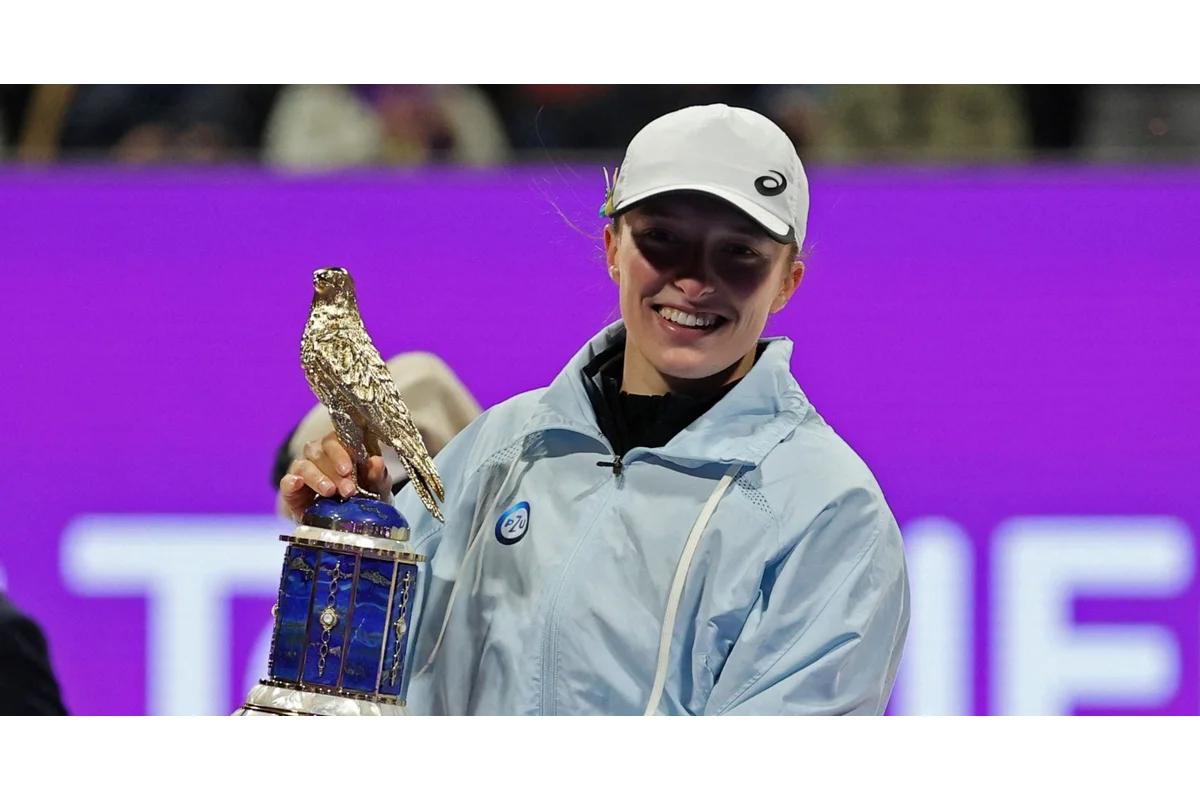
The transition to best-of-five demands a sustained physical and mental effort over potentially four to five hours, a challenge Clijsters believes Swiatek is uniquely equipped to meet, setting her apart from most rivals on tour.
Physical Challenges and Opposition to Extended Matches
While longer matches excite some players and fans for their competitive possibilities, many voices express concern about the increased physical and logistical strain. Tennis stars like Iga Swiatek have previously spoken out about the demanding nature of the tennis calendar, which already involves extensive travel, a taxing season, and high injury risks.
Opponents of the change worry that extending women’s matches could exacerbate withdrawals or retirements, transforming tournaments into endurance battles where injury avoidance becomes as crucial as skill. The question remains whether longer matches would elevate the profile of women’s tennis or simply generate attrition that undermines player health.
Proponents argue that Grand Slams should represent the ultimate challenge in tennis and that best-of-five matches guarantee a more dramatic contest. Such a format enables legendary comebacks from two sets down, moments that have become iconic in tennis history, restoring suspense and excitement to women’s finals, which can sometimes end too quickly under the current system.
Potential Timeline and Impact on Grand Slams Like the Australian Open
The discussion is moving beyond theory as Craig Tiley suggests that the Australian Open or the US Open could trial best-of-five sets for women as early as 2026 or 2027. Should this change be implemented, it would require a significant evolution in how female athletes prepare and recover.
Training, nutrition, and off-season conditioning would all need to be adjusted to meet the demands of longer matches. The conversation also touches upon the longstanding debate around equal pay in tennis, with some suggesting that aligning match formats between men and women might help settle some disputes by emphasizing comparable effort and endurance.
Broader Opinions Stirred by the Debate
The ongoing debate has attracted strong opinions from various corners of the tennis world. Boris Becker, for instance, has sparked controversy by mocking coach Patrick Mouratoglou over claims that younger players like Jannik Sinner and Carlos Alcaraz outperform the sport’s Big Three. While not directly related to the best-of-five discussion, it reflects the intense scrutiny top athletes and evolving formats face from former champions and commentators alike.
This moment signifies a pivotal point for women’s tennis, with potential to reshape the sport’s competitive landscape and address longstanding questions about equality and endurance on the court. The reaction from players, organizers, and fans will shape how the game evolves in the next few years, marking an important chapter in tennis history.
