
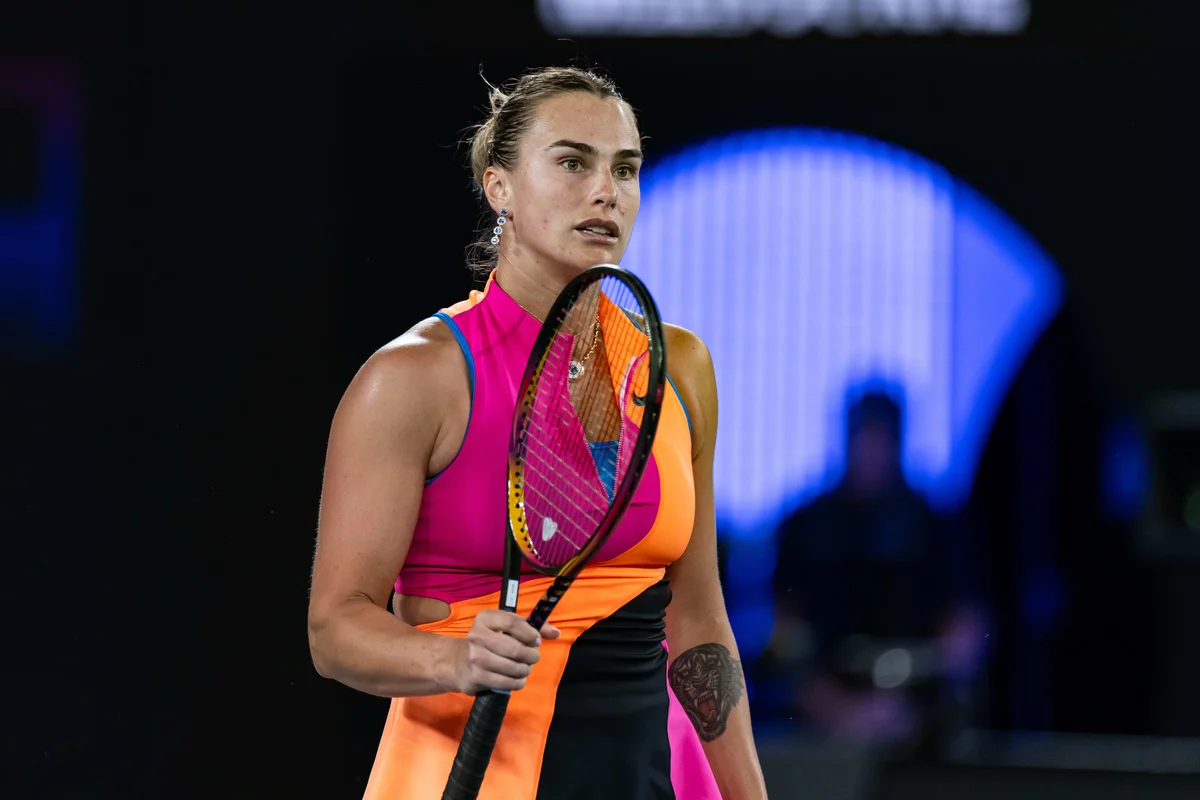
Emma Raducanu’s start to the 2026 tennis season has been challenging, with early tournament exits and difficulty competing against top-ranked players, including Aryna Sabalenka. The British No. 1 faced setbacks at the Australian Open and other events, raising doubts about her ability to overcome powerful opponents on the women’s tour.
Her former coach has identified specific technical areas that need improvement to better prepare her for matches against elite players such as Sabalenka and Elena Rybakina.
Technical Adjustments Suggested by Mark Petchey to Counter Top Rivals
Raducanu’s 2026 campaign began with a tough outing at the United Cup in Perth, where she was defeated 3-6, 6-3, 1-6 by Maria Sakkari after withdrawing from her opening match against Naomi Osaka. She then competed at the Hobart International, entering as top seed but losing 6-2, 6-4 to Australian wildcard Taylah Preston in the quarterfinals.
The British player’s challenges continued at the Australian Open, where she fell to Anastasia Potapova 7-6 (3), 6-2 in the second round. This loss underscored a lack of intensity that kept her from facing World No. 1 Sabalenka later in the tournament.
After reaching the final in Cluj-Napoca, Raducanu’s rhythm faltered once again as she lost decisively to Sorana Cîrstea, 0-6, 2-6. Former coach Mark Petchey pointed to several areas Raducanu must focus on to enhance her performance against powerful baseliners.
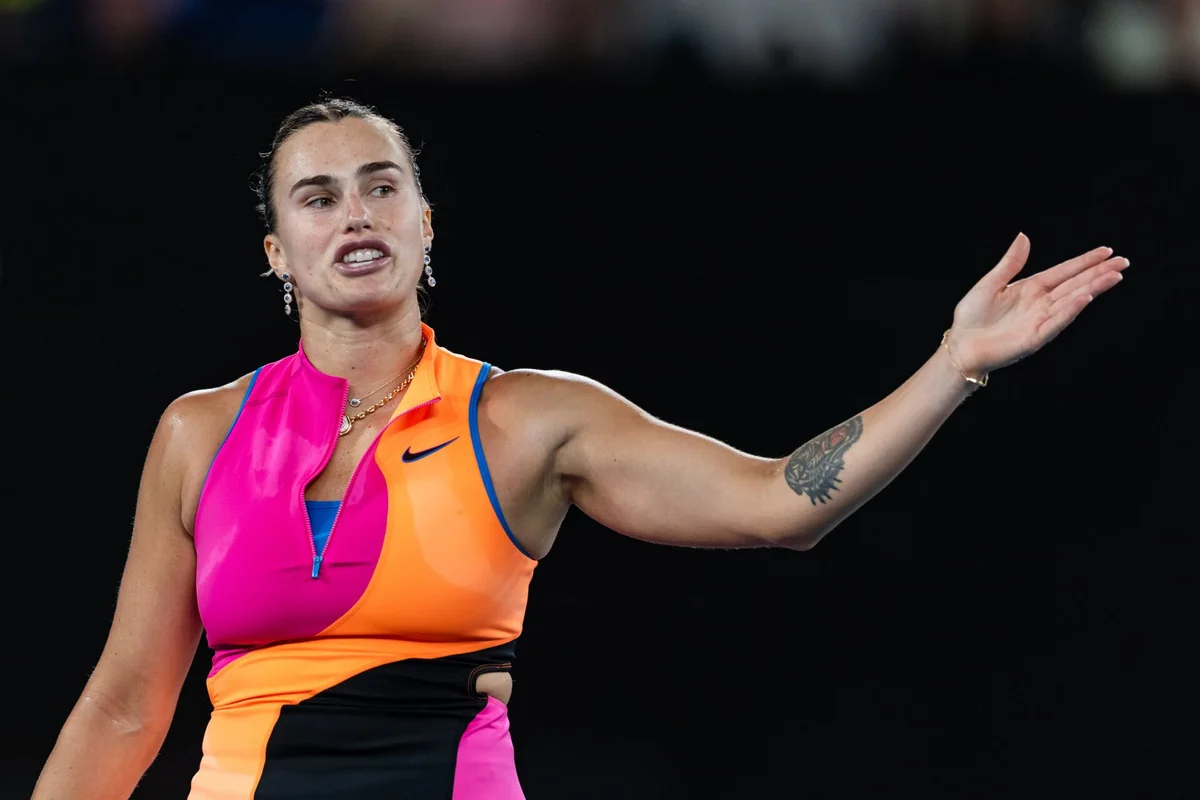
She needs to stay up on the baseline. She needs to be able to redirect, and she needs to serve well. And if she can put those components on the court, she’s going to give herself a chance to win big matches,
Petchey advised, highlighting the importance of specific tactical improvements.
While recognizing some positives in Raducanu’s ranking progression, Petchey stressed her overall game remains below the level required to compete with top-tier opponents consistently.
I thought she did well to kind of get through the draw. I don’t necessarily feel as though her tennis was where it needed to be,
he noted, emphasizing that skill development remains crucial.
Petchey further indicated that Raducanu faces a critical period demanding intense effort to regain her competitive edge.
I think she’s got a good 3-4 weeks of hard work to get her tennis back to where you would like to see her be in terms of being able to challenge those big hitters, which has obviously been in recent times the stumbling block for her. And there is still work to do to put that piece of the puzzle back together so that she can feel very comfortable with what she’s doing out on the tennis court,
Petchey explained, stressing the rigorous preparation needed.
He concluded by emphasizing the need for Raducanu to significantly raise her level to face rivals like Sabalenka and Rybakina with confidence.
I would think that she will feel as though her tennis needs to go up quite a few gears if she’s going to suddenly get back out on the court with Sabalenka and Rybakina,
Petchey said.
Raducanu’s Difficult Record Against Elite Players
Concerns about Raducanu’s progression are amplified by her performance against the tour’s leading competitors. The 23-year-old has struggled notably against power players including Aryna Sabalenka and Elena Rybakina. She has yet to secure a victory in the dozen encounters she has had with the current top four women on the tour, having lost 3 matches against Sabalenka, 5 against Iga Świątek, 2 against Rybakina, and 2 against Coco Gauff.
Notably, half of these matches took place during the 2025 season, underscoring ongoing difficulties.
Raducanu’s inconsistency was further shown at the Transylvania Open, where she reached just the semifinal stage. According to a social media post, this marked only the fifth time in her career that she has advanced to a tour-level semifinal, a figure that draws attention to her sporadic form since winning the US Open in 2021.
Legendary tennis figure Boris Becker expressed disappointment at this statistic, responding bluntly, “That’s it?” His reaction reflects a broader sense of confusion within the tennis community over why a Grand Slam champion has found it difficult to string together consistent tournament success.
Implications for Raducanu’s Future Competitiveness
Emma Raducanu’s difficulties reflect the high demands of professional tennis and the challenges faced when competing against powerful and consistent players such as Sabalenka and Rybakina. The technical refinements urged by Mark Petchey—especially improvements in baseline positioning, redirecting the ball, and serving—could be pivotal in allowing her to regain confidence and contest major matches.
Raducanu’s upcoming weeks will likely be critical, as the focus on targeted training could determine whether she can overcome the present barriers holding her back from challenging the very best.
With her competitive record and recent performances under pressure, restoring her form will require significant effort, but it may ultimately dictate her ability to return to the highest levels of the WTA Tour and fulfill the promise she showed early in her career.
