
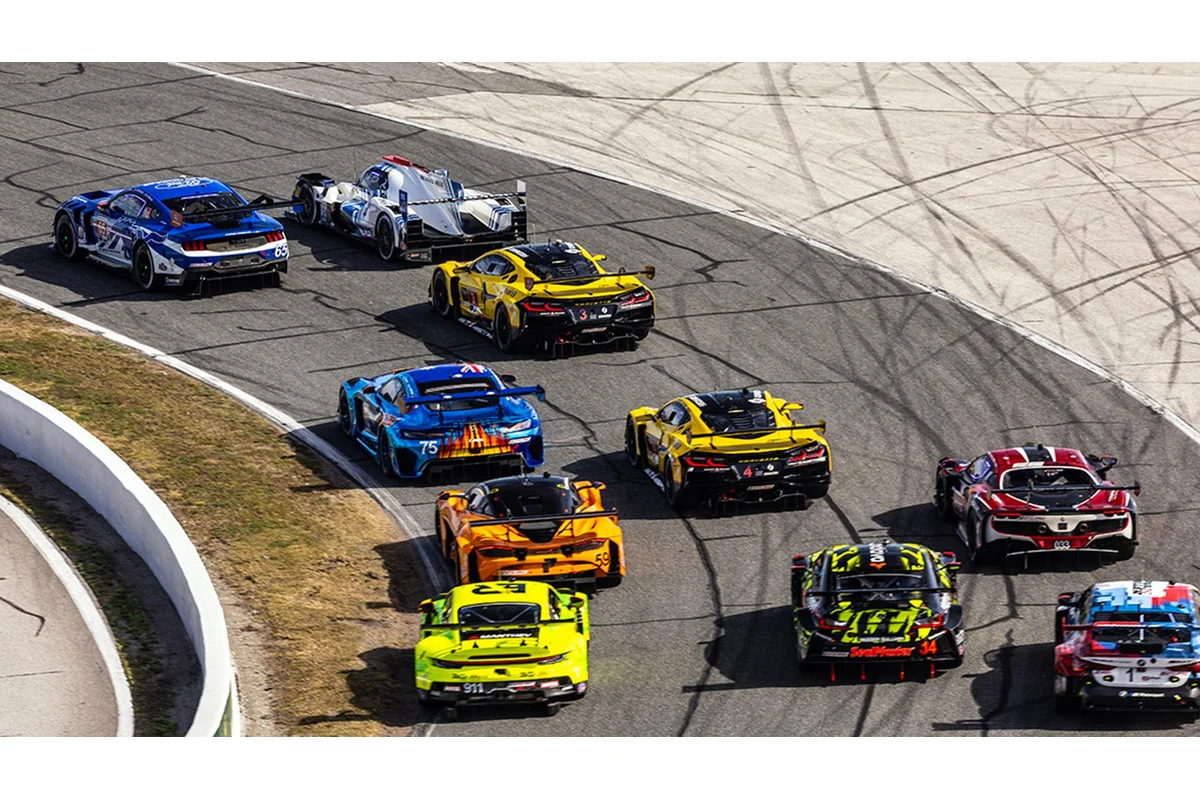
Kenny Wallace openly questioned the future viability of NASCAR’s Next Gen car while observing the growing prominence of IMSA and Formula 1 ahead of the 2026 season. As motorsports kicked off a new year at Daytona, the former Cup Series driver shared his insights during the Coffee With Kenny show, sparking discussions about the evolving landscape of racing.
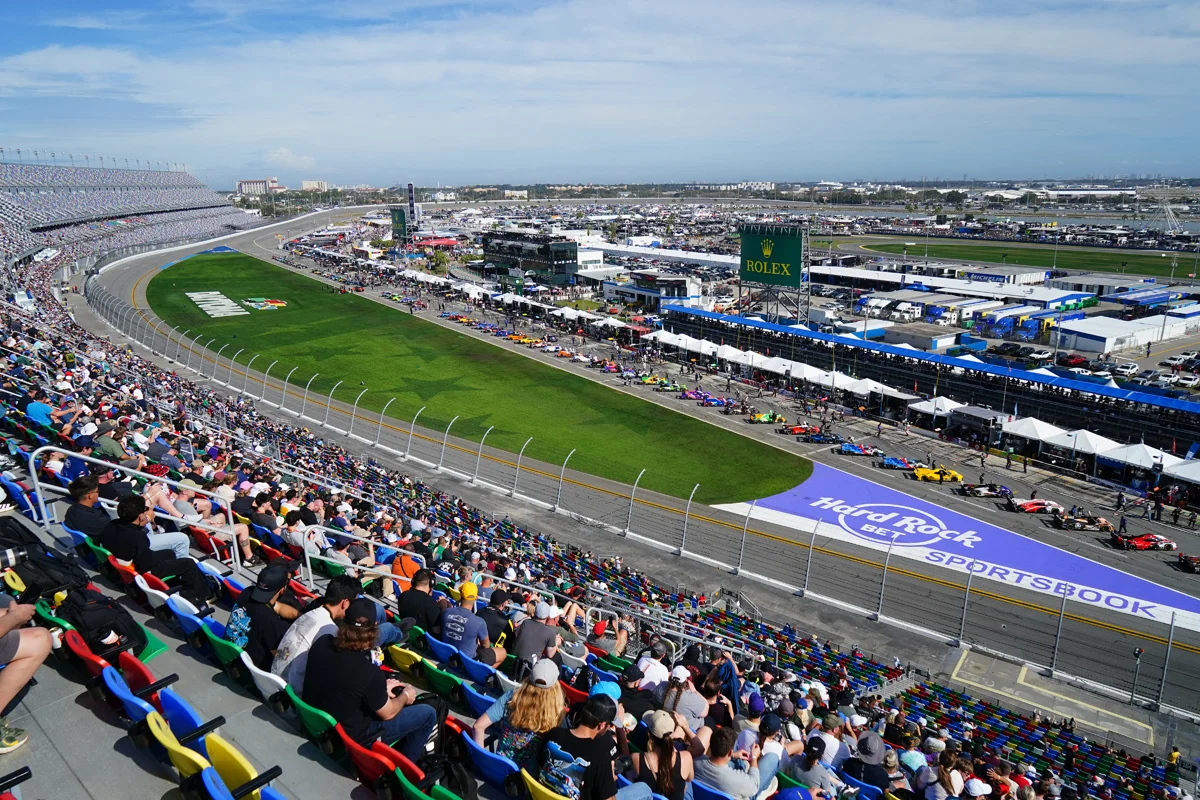
The IMSA endurance season recently began with the Rolex 24 at Daytona, followed closely by NASCAR’s Cup Series start with the Daytona 500. This back-to-back schedule naturally invites comparisons between these two competing motorsport disciplines.
IMSA’s Strong Debut Highlights Fan and Viewer Growth
The Rolex 24 event demonstrated IMSA’s surging popularity, drawing over 180,000 fans over four days. Television ratings on NBC averaged 1.1 million viewers, representing a significant year-over-year increase. Streaming platforms also saw considerable uptake, with 3.8 million live views worldwide and 784,000 streams on Peacock, reflecting expanding international and younger audiences.
Wallace emphasized this shift as part of a broader cultural change in how people engage with motorsports and cars in general.
“The 24 hours of Daytona was unbelievable, and it’s soaring. It’s bigger than big. So, I kind of read between the lines here, and I’m thinking, okay, that this is IMSA… NASCAR and Jim France, they own IMSA… So, these are made up of sports cars. These are cars that don’t look anything like cars on the street…. They’re not stock cars,” Wallace said. (2:23 onwards)
Changing Car Culture and Younger Fans’ Disconnect
Wallace expanded the conversation to highlight how modern automotive culture may be distancing younger generations from traditional car enthusiasm. Contemporary passenger vehicles are often described as complex and inaccessible to casual maintenance, turning them into mere transportation tools rather than objects of passion.
“So, it begs this. I ask you. Had a lot of conversations over the last winter and people tell me… Is the passenger car, now that is made by all the manufacturers, is it just a transportation device? Because I’m told that kids don’t like cars anymore? Kids don’t like cars anymore…. You can’t work on them. You got to plug the computer in. There’s something wrong with my car. Well, you can’t work on it because you need all these special tools. So, you’ve taken the kids right out of the car,” he added.
Is NASCAR’s Race Car Concept Obsolete?
He then questioned the relevance and appeal of NASCAR’s current race car design, pondering whether its stock car roots are outdated in a world increasingly captivated by sports cars and formula-style racers.
“So, what has happened to the NASCAR race car? Is it a box that just goes around? Is it a family sedan… So, here it goes. I’m going to say it. If IMSA is owned by NASCAR and that’s the rally cry now, and Formula 1 race cars don’t even look like cars… Is the NASCAR race car, is it dead?… Is the NASCAR race car not what we want anymore? Is that one of the problems with NASCAR? Do we want sports cars,” he asked (4:38 onwards).
NASCAR’s Cup Series vehicles are custom-built machines designed to resemble everyday sedans, featuring a tube-frame chassis and V8 engines. While these cars have always maintained a visual connection to road-going vehicles, the Next Gen format distances itself from this tradition, moving further away from the look and feel of passenger cars.
In contrast, Formula 1 cars are open-wheel racers engineered entirely for performance, without resemblance to street vehicles. IMSA’s lineup includes prototypes and GT cars that both resemble and embody exotic sports cars, appealing to fans of endurance racing and automotive excellence.
Wallace’s remarks weren’t intended to disparage NASCAR but rather to underscore a challenge: F1 thrives with a young, global audience despite its cars lacking any street car likeness, and IMSA’s sports car image is gaining ground. This raises concerns about NASCAR’s ability to excite the next generation of racing fans.
Reevaluating NASCAR’s Stock Car Strategy Amid Declining Ratings
Wallace also addressed NASCAR’s television ratings and audience trends during the 2025 season, the first year under a new $7.7 billion media deal. Despite a strategy aimed at broadening digital and youthful viewership, several playoff races struggled to draw more than two million viewers, indicating a decline in traditional broadcast appeal.
Meanwhile, Formula 1 achieved record U.S. viewership averages of 1.32 million in 2025, while IMSA’s fanbase continues to expand. This contrast led Wallace to question whether NASCAR should reconsider the type of cars it fields, especially given the rising popularity of sports car racing.
“What is booming? IMSA. IMSA is great. Maybe it’s because it’s sports cars. After all, the cars that NASCAR is racing, they’re just sedans. Take your kids to school in them. Used to be – what wins on Sunday sells on Monday. I haven’t heard that in 100 years. So, should we take IMSA, and should that be the new NASCAR race car? Should we get rid of the ‘sedan’ that we’re running right now? Should we get rid of it and create sports cars since sports cars are where it’s at?
“So many people, they love Formula 1… and it’s not even a car. You can’t take your children to school in a Formula 1 car. It seats one person.”
To Wallace, the problem may lie not in drivers or venues but in the fundamental nature of the car itself, which perhaps no longer resonates with contemporary fans and younger generations.
Implications for NASCAR’s Direction and Motorsport’s Future
Kenny Wallace’s observations highlight a critical crossroads for NASCAR as IMSA grows in prominence and Formula 1 attracts younger global audiences. The debate over NASCAR’s race car design could influence how the sport positions itself in the competitive landscape of motorsport. Given shifting preferences in car culture and fan engagement, NASCAR may need to reassess its vehicle identity to maintain relevance and appeal in the years ahead.
The future of IMSA racing and this ongoing debate could shape the evolution of American motorsports, potentially prompting NASCAR to innovate beyond traditional stock cars to meet changing tastes and expectations among its fan base.

