
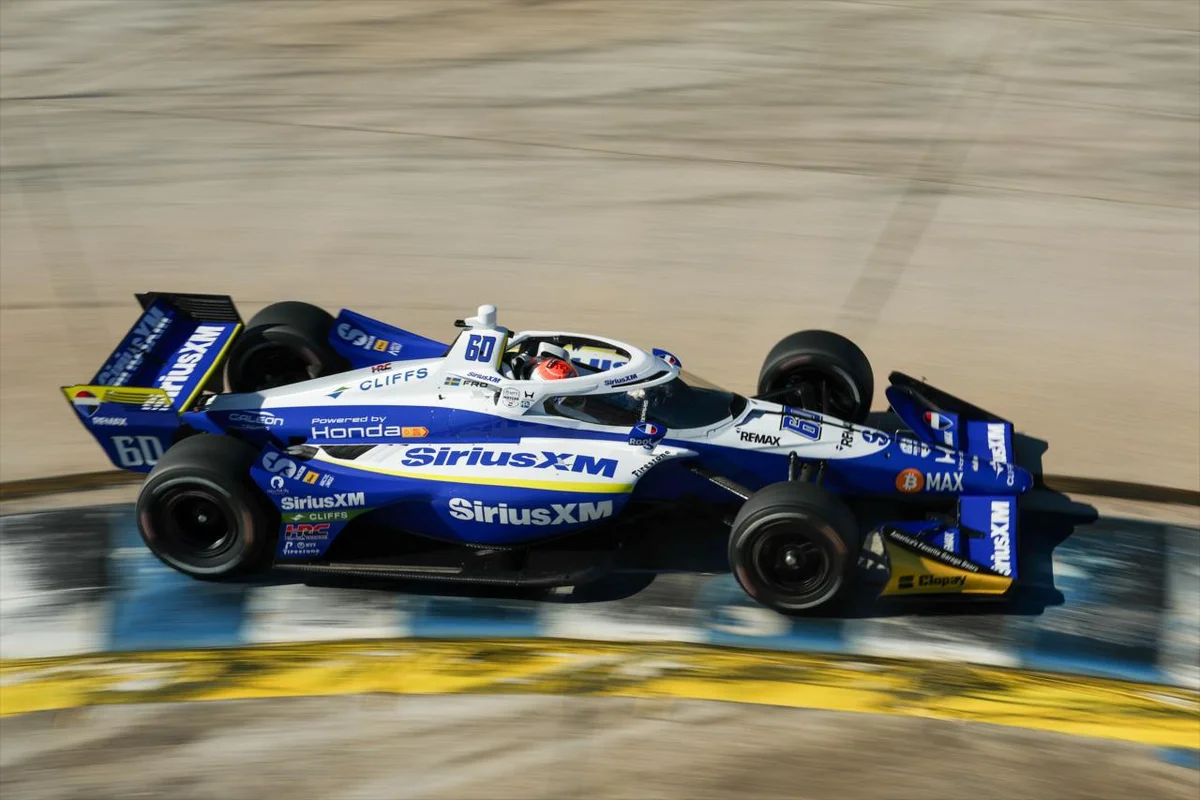
IndyCar has confirmed that Honda and Chevrolet will remain as the official power unit suppliers under a new multi-year contract extending through the 2028 season. This agreement not only secures their roles as engine providers but also grants both manufacturers a historic chartered factory entry starting in 2028, allowing them to field their own factory teams on the grid.
Honda has been a supplier of IndyCar engines since 1994 and was the sole power unit supplier from 2006 until 2011. Chevrolet re-entered the series in 2012 with the introduction of the current 2.2-liter V6 Turbo Hybrid engines. Since then, these two manufacturers have been powering the series competitively. Their previous contract was due to expire following the 2026 season, which caused speculation about the fate of the proposed 2.4-liter V6 engine regulations planned for 2028. Nevertheless, the deal announced on February 12, 2026, ensures that both companies are committed to staying involved.
Details Behind the Manufacturer Charter System for Chevrolet and Honda
In 2024, IndyCar introduced a charter system guaranteeing entries to select teams starting in the 2025 season, except for the prestigious Indy 500. The recent deal marks the first time the series has awarded manufacturer-specific charters, granting Chevrolet and Honda guaranteed grid spots from 2028 onward. This innovation allows the two automakers to have greater influence over their participation and team operations.
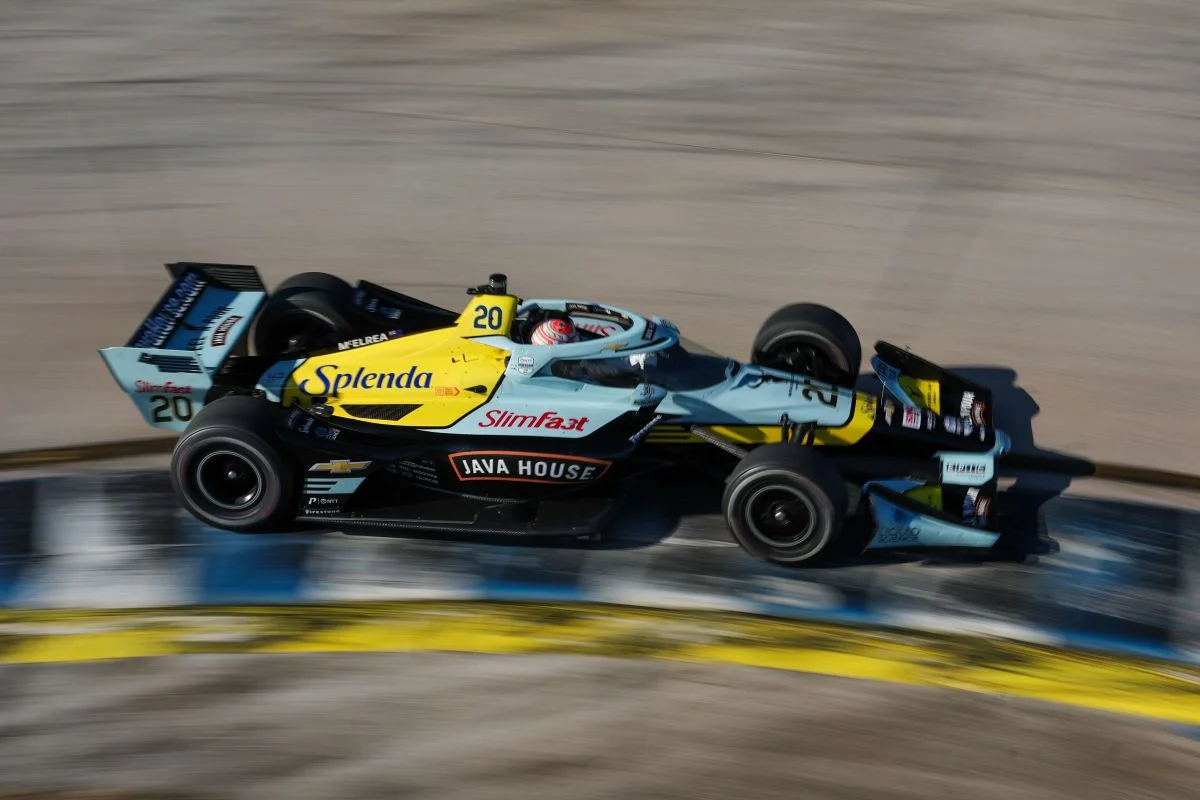
IndyCar President Doug Boles reflected on the significance of the agreement, stating,
“This is a monumental day for IndyCar, fueled by a massive and historic commitment from two of our best and most trusted partners. Chevrolet and Honda have worked tirelessly with us over the last 12 months to get to this point, and both have made it very clear that they are fully committed to this sport and invested in continuing the positive momentum the series generated in 2025,” – Doug Boles, IndyCar President
The charter system allows Chevrolet and Honda to collaborate with a team to operate their factory entry, but with IndyCar’s limit of three entries per team, the manufacturers will need to align with teams that currently field two cars rather than the top teams running three entries.
Implications and Future Outlook for IndyCar and Its Manufacturers
There had been uncertainty surrounding Honda’s future in IndyCar following the 2026 season, with rumors last year suggesting that the Japanese manufacturer might withdraw from the series. The new multi-year agreement alleviates those concerns, signaling strong manufacturer support heading into the next generation of IndyCar racing.
Regarding the upcoming opportunities, Doug Boles added,
“As charter entrants in 2028, Chevrolet and Honda now have a new and exciting opportunity to build on their incredible legacies across IndyCar Series racing, while continuing their strong relationships with our current roster of teams and helping deliver an innovative and industry leading new car in 2028,” – Doug Boles, IndyCar President
This contract highlights the continued collaboration between the American series and its key manufacturers, underscoring the importance of factory support in maintaining technological innovation and competitiveness across IndyCar. As the 2028 engine regulations approach, fans and teams alike can anticipate a renewed focus on performance and rivalry between two of motorsport’s most reliable partners.
