
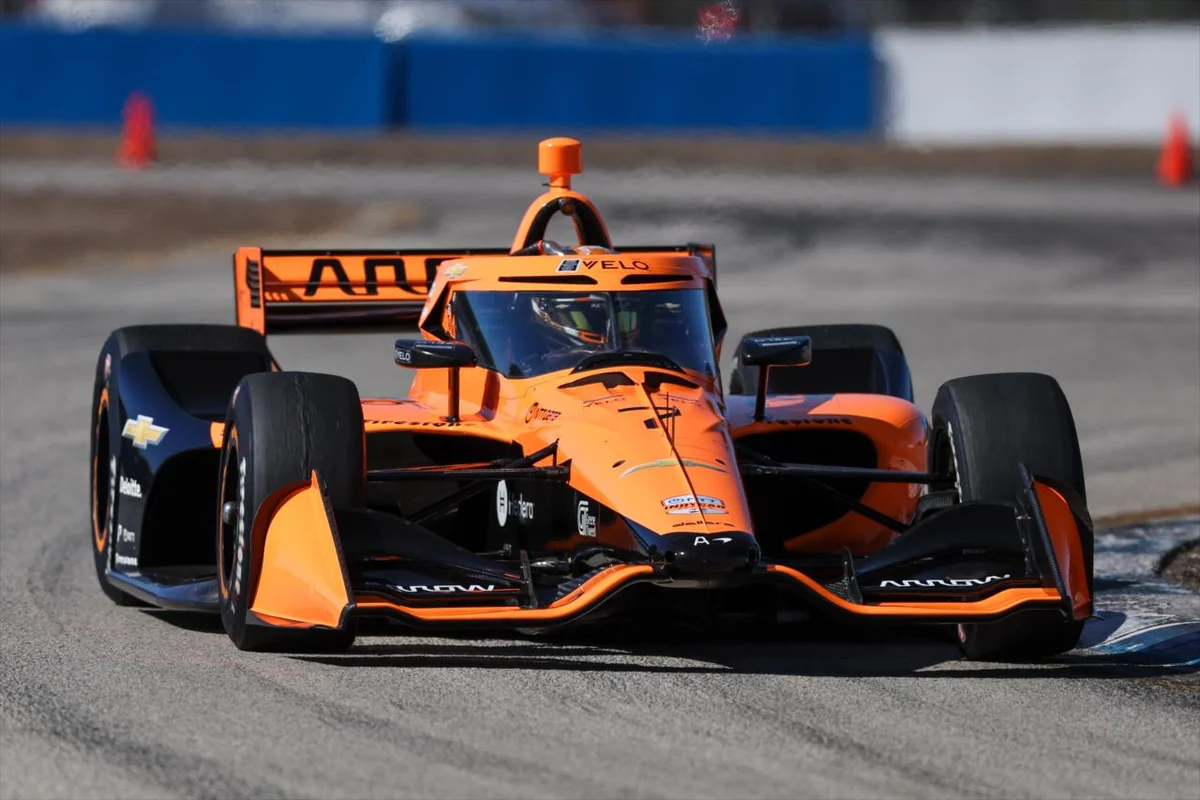
Chevrolet and Honda have finalized multi-year agreements to continue as the official engine manufacturers for the IndyCar Series beginning in 2027. This announcement ends months of speculation about the future of IndyCar’s engine suppliers, solidifying the commitment of both companies to the premier open-wheel racing series in North America.
This move reflects
“a significant financial investment in North America’s premier open-wheel series”
from these two Original Equipment Manufacturers (OEMs), indicating their confidence in the sport’s growth and future.
IndyCar Leadership Highlights Significance of New Deals
Doug Boles, president of IndyCar, praised the agreements, calling it
“a monumental day for IndyCar, fueled by a massive and historic commitment from two of our best and most trusted partners,”
and acknowledged the intensive collaboration over the past year with Chevrolet and Honda. He emphasized that
“both have made it very clear that they are fully committed to this sport and invested in continuing the positive momentum the series generated in 2025.”
Development of Next-Generation Engines and Cars
Both manufacturers will play key roles beyond engine supply by participating in the creation of a new race car, expected to debut in 2028. This collaborative effort covers engine design and competition rules, as the series plans to phase out the current 2.2-liter twin-turbo V6 engines in favor of a more powerful 2.4-liter twin-turbocharged V6 following the 2027 season.
Alongside these changes, Chevrolet and Honda will each receive a charter for the 2028 season that guarantees their participation as official entries.
New Charter System and Team Participation Limits
IndyCar introduced its charter system in September 2024 to formalize entries in the series. Charters were awarded based on performance over the previous two full seasons, allowing a maximum of three charters per team.
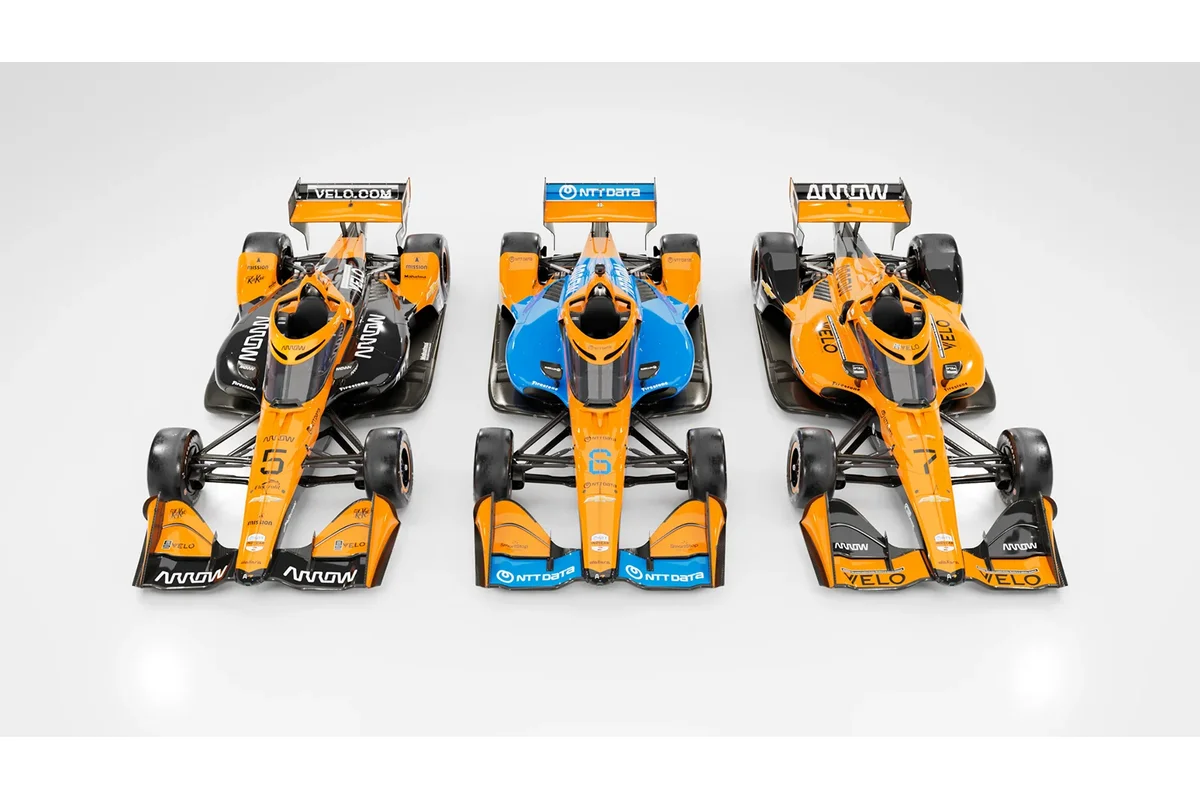
Currently, teams holding three charters—including Team Penske and Arrow McLaren on the Chevrolet side, and Chip Ganassi Racing (CGR), Andretti Global, and Rahal Letterman Lanigan Racing (RLL) for Honda—are ineligible to add a fourth car through their manufacturer’s charter.
Honda’s Commitment and Legacy in IndyCar
Honda Racing Corporation’s United States branch reaffirmed its dedication to a full-season Honda-powered entry for 2028, aiming
“as a way to further develop its associates and technology.”
David Salters, president of HRC USA, expressed enthusiasm:
“To our esteemed Honda fans, customers and associates, we are thrilled to announce our ongoing participation in IndyCar.”
He added,
“With a deep respect for the history and competitive spirit of IndyCar racing, we are proud to continue our involvement after more than 30 years.”
Salters also highlighted the benefits of the partnership with FOX’s broadcast coverage, stating it
“continues to grow, bringing outstanding race coverage and elevating the experience for fans everywhere.”
He concluded,
“The future of IndyCar looks incredibly bright and we at Honda are honored to play a critical role in its continued success.”
Honda has been a consistent IndyCar engine supplier since its debut in 1994, including six seasons as the sole OEM provider. The brand claimed its 11th manufacturer championship in 2025 and has powered Álex Palou to three consecutive series titles, contributing to four championships in the past five years with Chip Ganassi Racing.
Chevrolet’s Continued Impact and Vision
Chevrolet boasts 16 manufacturer titles across its history in IndyCar, including dominant periods from 1988–1993 and a championship win in 2002. Since their reentry in 2012, Chevy has secured nine titles.
Mark Reuss, president of General Motors, commented,
“Chevrolet has enjoyed a long, successful relationship with IndyCar as an engine manufacturer,”
and explained that this renewed commitment
“paves the way for IndyCar to continue to grow and for us to further maximise technology transfer from race to road.”
Reuss also noted,
“The addition of a charter allows Chevrolet to join with other stakeholders to continue to make the series even stronger. IndyCar produces consistently exciting racing on road and street courses, as well as ovals, and we look forward to building on our IndyCar legacy and put on a great show for our loyal Chevrolet fans.”
Implications for IndyCar’s Stability and Growth
This dual agreement between Chevrolet and Honda firmly anchors the series’ future engine development and competitive landscape. Their involvement is crucial as IndyCar advances into a new era marked by updated technical regulations and the implementation of a formal charter system to ensure sustainability and balance among teams.
With seasoned partnerships from respected manufacturers and growing fan engagement through media collaborations, IndyCar is positioned for sustained expansion and heightened competition through the late 2020s and beyond.
