
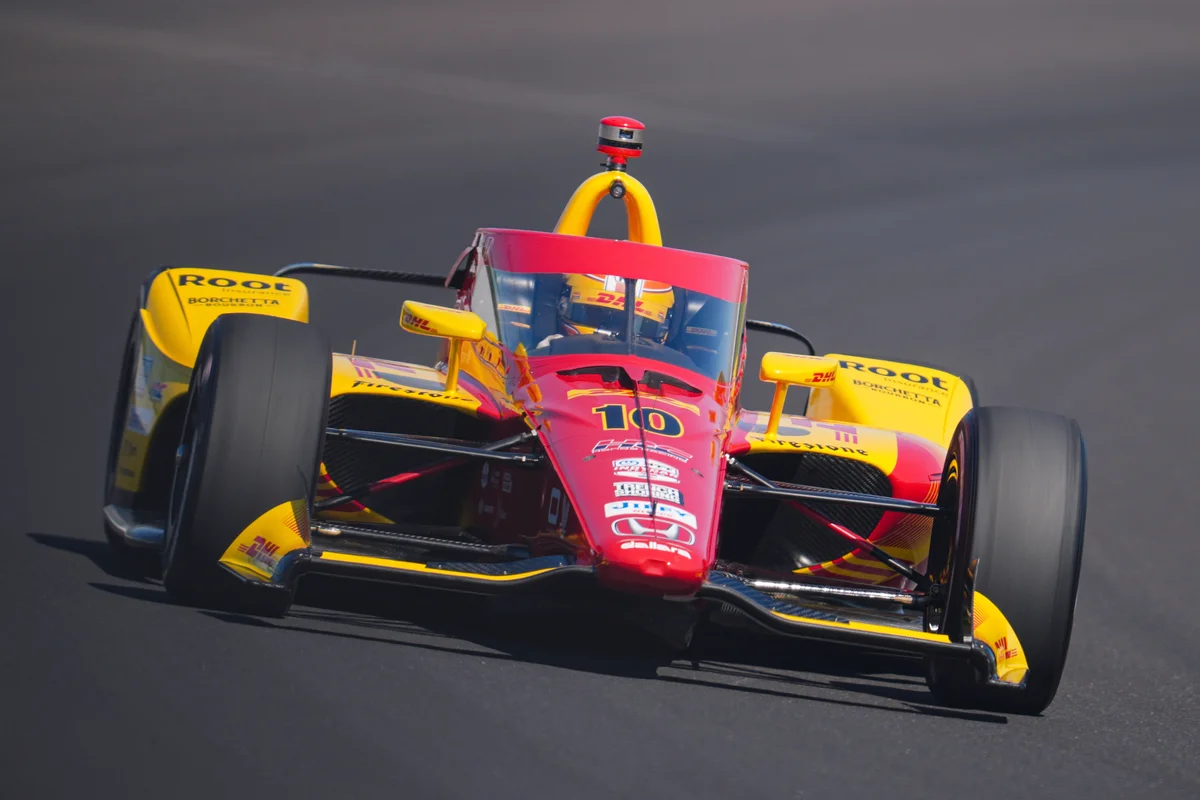
The NTT IndyCar Series prepares for its first 18-race schedule since 2014, highlighted by the recent addition of a street race in Washington, D.C. As the season kicks off with the Firestone Grand Prix of St. Petersburg, Florida, the performance of drivers in this initial race holds significant weight, underscoring the IndyCar season opener importance in forecasting eventual champions.
While it is common to dismiss a poor result early in the year by saying it’s a long season, historical patterns suggest that drivers who contend for the championship rarely start with disappointing finishes. Over the last 26 seasons, only one champion finished outside the top eight in the opener, emphasizing the critical role this race plays in shaping title hopes.
Championship Contenders’ Trends in Opening Races
Scott Dixon’s 2015 season presents a notable exception when he ended the St. Petersburg race in 15th place but still claimed the championship. At that time, Dixon was already a three-time series champion and did not lead the standings all year until the season finale at Sonoma Raceway, where he tied with Juan Pablo Montoya and secured the title based on having more race wins. This case highlights an unusual championship run despite a weak start.
Looking at data from 2000 to 2025, the eventual series champion won the season opener 11 times, including Alex Palou, who won last year and led the championship throughout, also claiming victory at the Indy 500—a rare feat accomplished previously by Johnny Rutherford in 1980. Excluding Dixon’s outlier performance, champions averaged a fifth-place finish in season openers, with multiple podiums, top-five finishes, and only a few falling as low as eighth.
Statistical Overview Reinforces the Opener’s Significance
Including Dixon’s 2015 result, eventual champions since 2000 have finished the opener with an average position of 3.69 and recorded zero DNFs. While it’s possible for drivers to recover from a poor start and still contest the championship, history shows that consistent early performance is a reliable indicator of season-long competitiveness. Notably, only three drivers have led the standings wire-to-wire in this period: Sam Hornish Jr. in 2001, Dixon in 2020, and Palou in 2025.
These trends lend credence to the idea that reactions to disappointing results in this weekend’s 100-lap race on the 1.8-mile street circuit in St. Petersburg may be justified. The opener’s outcome often signals who will influence the championship battle, reinforcing its strategic importance for drivers and teams alike.
Broadcast and Viewing Details
The Firestone Grand Prix of St. Petersburg will be broadcast live on Fox this Sunday, March 1, starting at 12:00 p.m. ET. Fans can watch all 18 races of the 2026 NTT IndyCar Series season, running through September, by starting a free trial with FuboTV.
