
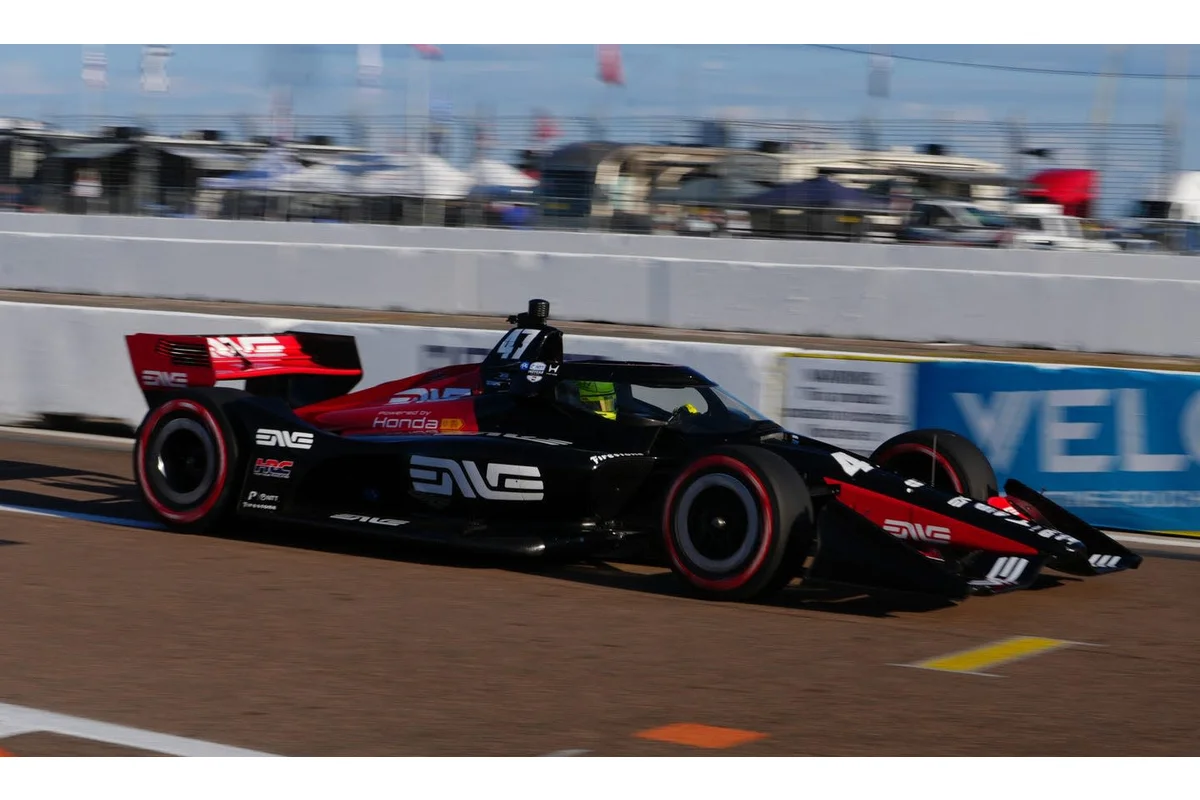
On March 1, 2026, Alex Palou secured a groundbreaking victory at the Firestone Grand Prix of St. Petersburg, decisively winning by 12.4948 seconds—the largest margin ever seen at this event. This commanding performance at the challenging street circuit in Florida sets a strong statement for the 2026 NTT IndyCar Series season as Palou continues to build on his status as the reigning champion.
Race Developments and Strategic Mastery
Starting from fourth on the grid in a race known for limited passing opportunities, Palou’s win was shaped more by strategy than sheer starting position. His Chip Ganassi Racing team executed a flawless pit strategy, using an overcut during the first pit stops to gain track position through longer stints on slightly older tires. This allowed Palou to take the lead and control the race’s latter stages confidently, leading 59 of the 100 laps with remarkable consistency.
Scott McLaughlin of Team Penske managed to challenge early on and settled into second place, while Christian Lundgaard delivered an impressive drive by rising from 12th on the grid to finish third for Arrow McLaren. Lundgaard’s advancement stood out as a bright spot among the midfield contenders, although the attention remained squarely on Palou’s dominant performance.
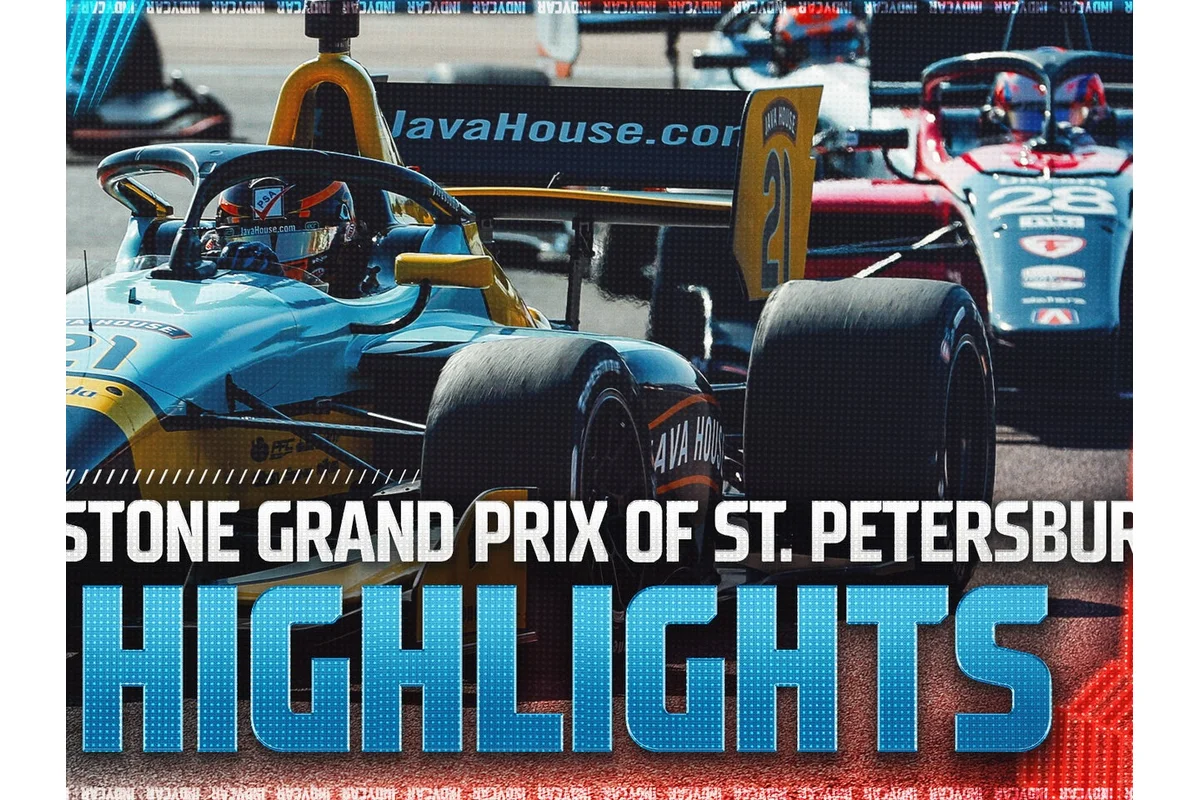
Breaking the Mold on a Street Circuit
St. Petersburg’s 1.8-mile, 14-turn street layout traditionally produces tightly packed, competitive racing with narrow overtaking windows. Palou’s victory margin sharply contrasts with the close battles typically observed here. Motorsport commentators and broadcast analysts highlighted the extraordinary nature of his pace, which suggested that Palou’s car and crew had found a significant edge over their competition.
Implications for the 2026 Championship Race
Entering the season as the defending champion and early favorite, Palou’s commanding win highlights that his 2025 success was no fluke. Chip Ganassi Racing’s offseason developments have paid off, with near-perfect pit stops and flawless race execution underscoring their preparedness. This psychological and competitive advantage sends a clear challenge to their rivals.
For Scott McLaughlin and Team Penske, the gap exposes the urgency to improve their strategies and tire management to close the distance. Other leading teams, including Andretti, also face questions about how they will respond to Ganassi’s superior speed and reliability demonstrated this weekend.
Meanwhile, Lundgaard’s performance signals potential for Arrow McLaren, showcasing both strategic insight and speed that could serve them well in upcoming events, especially those more suited to their race package.
Historic Victory Margin and Podium Breakdown
Palou’s winning margin of nearly 12.5 seconds at St. Petersburg is unprecedented in the Firestone Grand Prix history, underscoring the exceptional nature of his performance. Although he did not start from pole—beginning in fourth position—he gained ground primarily through strategic brilliance and consistent lap times.
The podium was completed by Scott McLaughlin in second place and Christian Lundgaard in third, whose climb from the back of the grid was a highlight for midfield competitors. This result emphasizes both Palou’s unchallenged dominance and the varied fortunes of his rivals in the highly competitive field.
Broader Significance for the IndyCar Competition
This win serves as a pivotal moment that recalibrates expectations for the season, establishing Palou and Chip Ganassi Racing as the standard to beat. With just one race completed, the rest of the drivers and teams must reconsider their approaches if they wish to challenge for the championship title.
Palou’s ability to combine strategic pit work, tire management, and driving precision on a notoriously difficult street circuit presents an early indication of his readiness to pursue a third consecutive IndyCar championship. As teams regroup and reassess, the 2026 season promises intense competition shaped by this dominant start.
