
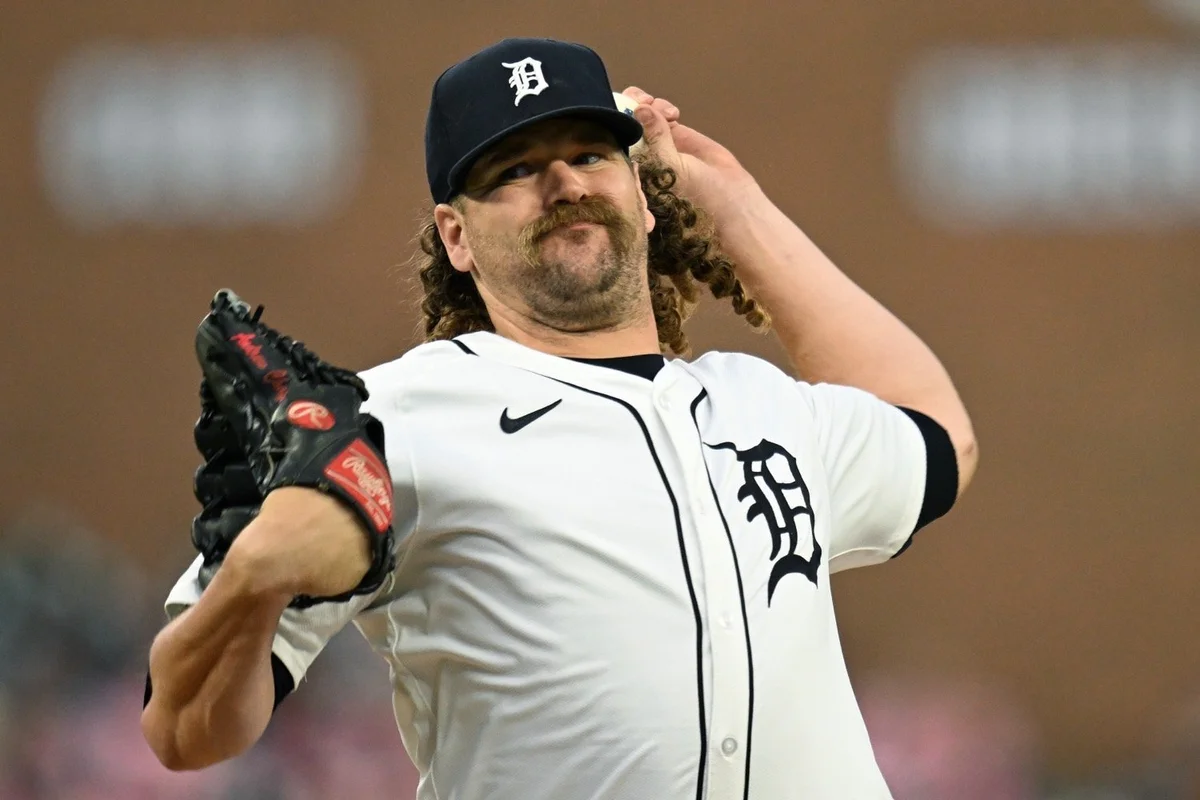
In Fort Myers, Florida, Andrew Chafin is determined to earn a place in the Minnesota Twins’ bullpen after a challenging free agency period. The 35-year-old left-handed reliever, coming off a strong 2025 season between the Washington Nationals and Los Angeles Angels, accepted a minor league contract with an invitation to major league camp, viewing it as his best chance to secure a major league roster spot this spring.
Chafin’s Challenging Journey Through Free Agency
Andrew Chafin had a frustrating offseason that mirrored his struggles from the previous year when he had to settle for a minor league deal with the Detroit Tigers last February. Despite posting a 2.41 earned-run average over 33 2/3 innings and showcasing consistent performance, Chafin found options limited in free agency. He expressed confidence in his pitching skills but recognized that the process of finding a team was complicated beyond his control.
I know how to get guys out and the computer doesn’t understand,
Chafin said, highlighting his pitching acumen despite the uncertainties agents and teams faced.
Ultimately, Chafin chose a minor league contract with the Twins, hoping to leverage the available bullpen spots to win a role on the major league roster out of spring training. He acknowledged the competitive environment but remained focused solely on pitching and improving his craft.
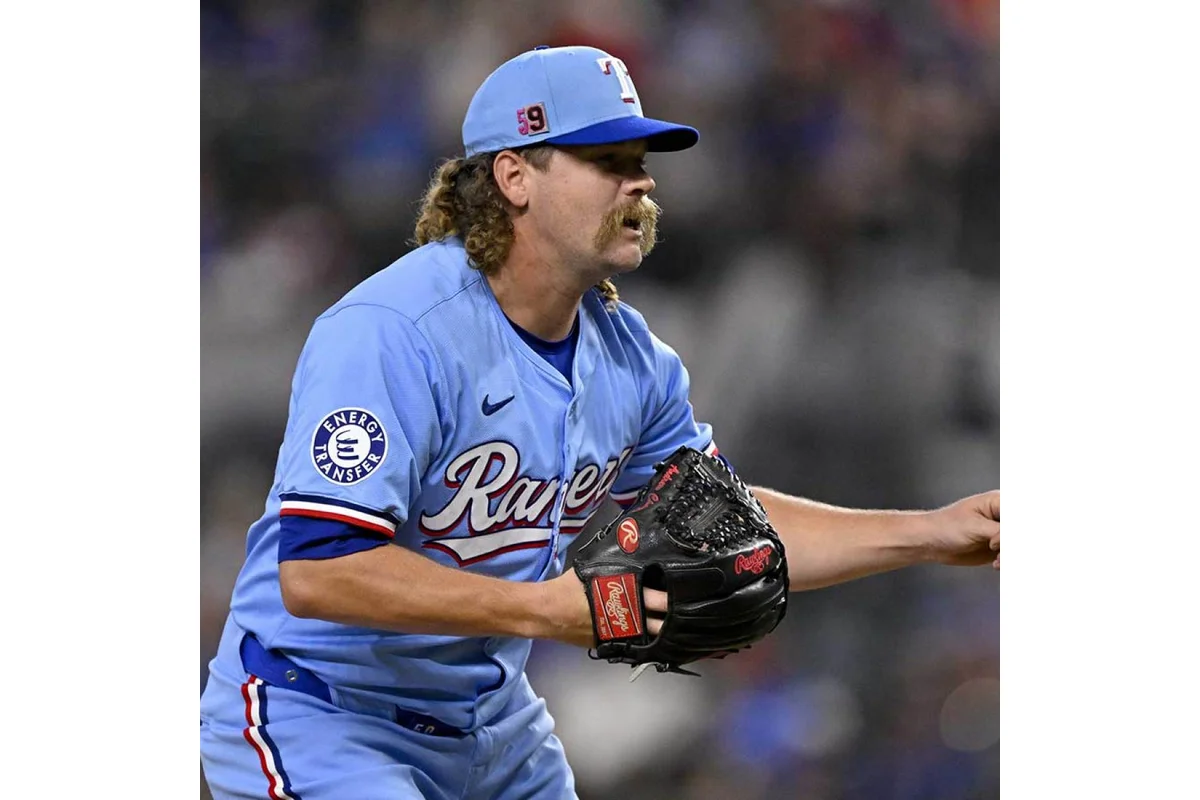
I don’t know (expletive) about baseball outside my little bubble,
he remarked.
I’ve got enough problems of my own to worry about, so that’s all I worry about. I’ve never been a fan of baseball. I don’t watch anything but what I’m doing. I let my agent do all the digging on that stuff. He knows what he’s doing. I know how to pitch.
Veteran Presence Among the Twins’ Left-Handed Relievers
As a seasoned league veteran with 12 years of major league experience, Chafin remains a respected figure, often sought after at trade deadlines. His understanding of pitching strategy differentiates him from many younger players focused primarily on velocity.
I know how to pitch. Most of the young bucks these days know how to throw hard,
Chafin said.
They don’t know what to do with it yet. It took me a while into my career to figure that out. I know how to pitch, and that’s why I’m good at pitching. … I know who I am as a pitcher, what I’m good at, and how to get outs with what I have.
The Twins have strengthened their bullpen with additional left-handed arms during the offseason. Taylor Rogers was signed to a one-year deal, Anthony Banda was acquired in a trade with the Los Angeles Dodgers, and Kody Funderburk ended last season strongly after the trade deadline. This influx creates a crowded competition for the available roles.
Manager Derek Shelton addressed the depth in pitching this spring, stating that the team will prioritize quality above all as they decide who makes the roster.
I think we’re good with whoever’s the best pitchers to leave when we break here,
Shelton said.
If you tell me that we leave and everybody’s healthy and we have to make challenging decisions, I’ve learned over the course of time, you can never have too much pitching.
Adjusting to New Rules with the Automated Ball-Strike Challenge System
The Twins have been incorporating the Automated Ball-Strike (ABS) challenge system during live batting practice, aiming to familiarize players with the new rules set for the 2026 season. This technology allows players to challenge an umpire’s ball-strike call, with decisions reviewed and either confirmed or overturned by the system. Each team will have two challenges per game, retaining them if successful.
During practice, catcher Ryan Jeffers quickly tested the system by challenging the first pitch he saw from Rogers, marking an early moment of adjustment.
I felt bad it was the first pitch, because that umpire probably hadn’t seen a pitch since last November,
Shelton joked.
But ultimately, yeah, it’s good to be able to use it.
While players and officials acclimate to this new technology, early indications suggest catchers and batters will be the primary users of the challenges rather than pitchers.
I don’t think pitchers are going to be probably the most astute at it, and they’re also the most emotional with it,
Shelton noted, foreshadowing how the new system might affect game dynamics.
Looking Ahead to Games and Player Evaluations
The Twins have one more day of workouts before starting actual game play. Prospects like Zebby Matthews are scheduled to pitch against the University of Minnesota on Friday, with the Grapefruit League opener against the Boston Red Sox set for Saturday. These games will provide critical opportunities for players like Chafin and others competing for bullpen roles to demonstrate their value to the coaching staff.
Given the depth of left-handed pitchers in camp and the high stakes of earning a spot in the Twins bullpen, the competition remains intense. Chafin’s experience and pitching savvy could be decisive factors as the team finalizes its roster, but the crowded field means nothing is guaranteed.
How the Twins ultimately deploy their pitching staff this season may hinge not only on performance but also on how well players adapt to evolving rules and technology, making spring evaluations more complex than before.
