
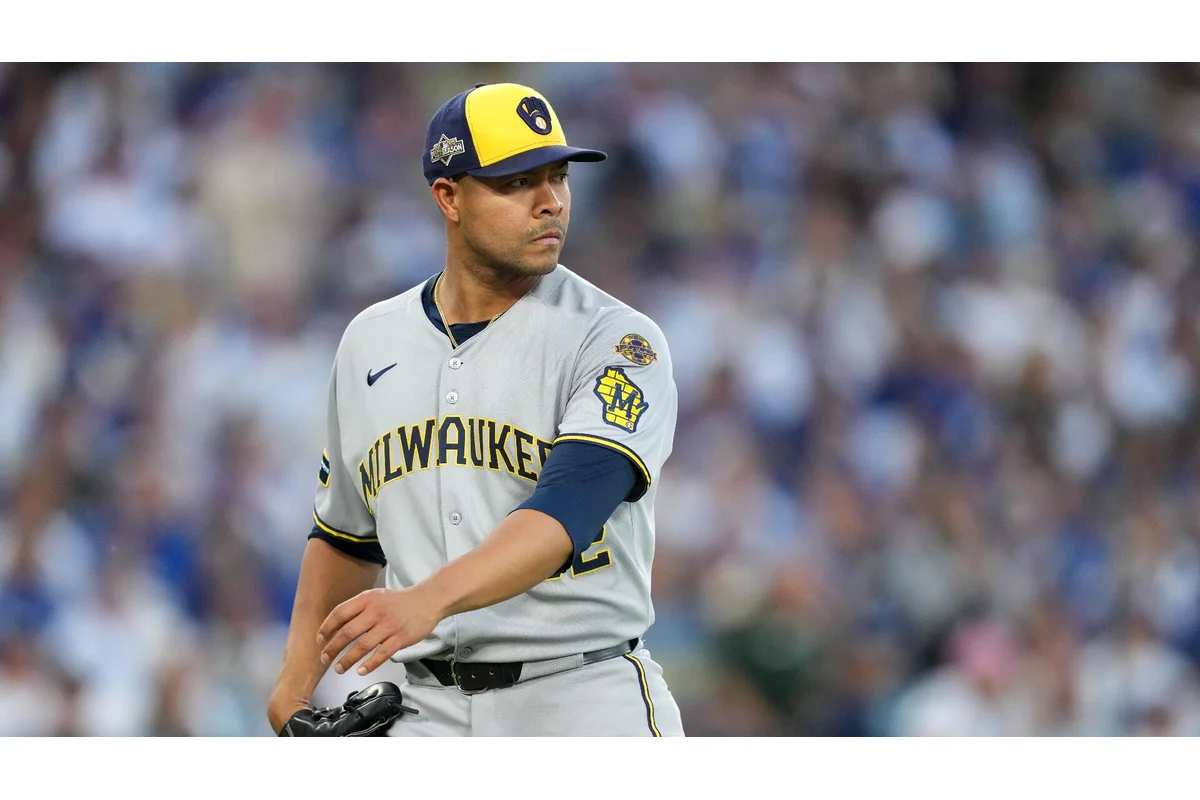
Pitching at Coors Field has long been a difficult task for any team due to the stadium’s high altitude and thin air, which reduce the movement on pitches and allow batted balls to travel farther than usual. As a consequence, the Colorado Rockies encounter this hurdle in half of their regular season games, which has contributed to pitching being a weak link for much of their franchise history. Despite this ongoing obstacle, the Rockies’ pitching rotation remains a critical area of focus heading into the 2026 season, as they aim to improve their organization’s persistent struggles.
Offseason Moves Signal a New Direction for the Rockies
After enduring a bleak 43-119 record last year, the Rockies took decisive action in the pitching department during the offseason. They added several new arms to their rotation, including experienced veterans like Jose Quintana, Michael Lorenzen, and Tomoyuki Sugano. These acquisitions aim to bolster a rotation that has historically faltered and could meaningfully improve the team’s competitiveness in the future. Alongside these signings, changes in the front office and the hiring of pitching coach Alon Leichman suggest a fresh, more promising approach to developing pitchers in Colorado’s unique environment.
Kyle Freeland’s Role as Rockies’ Rotation Anchor
Kyle Freeland stands out as one of the Rockies’ most seasoned pitchers, now embarking on his ninth major league season. With four opening day starts since 2019—the most in franchise history—Freeland remains a cornerstone of the rotation. His 2025 season reflected challenges common at Coors Field, as he posted a 6-17 record with a 4.98 ERA across 31 starts. Although his performance in recent years has been slightly below league average according to ERA+, his best season dates back nearly eight years ago, when he recorded 17 wins and an ERA under 3.00.
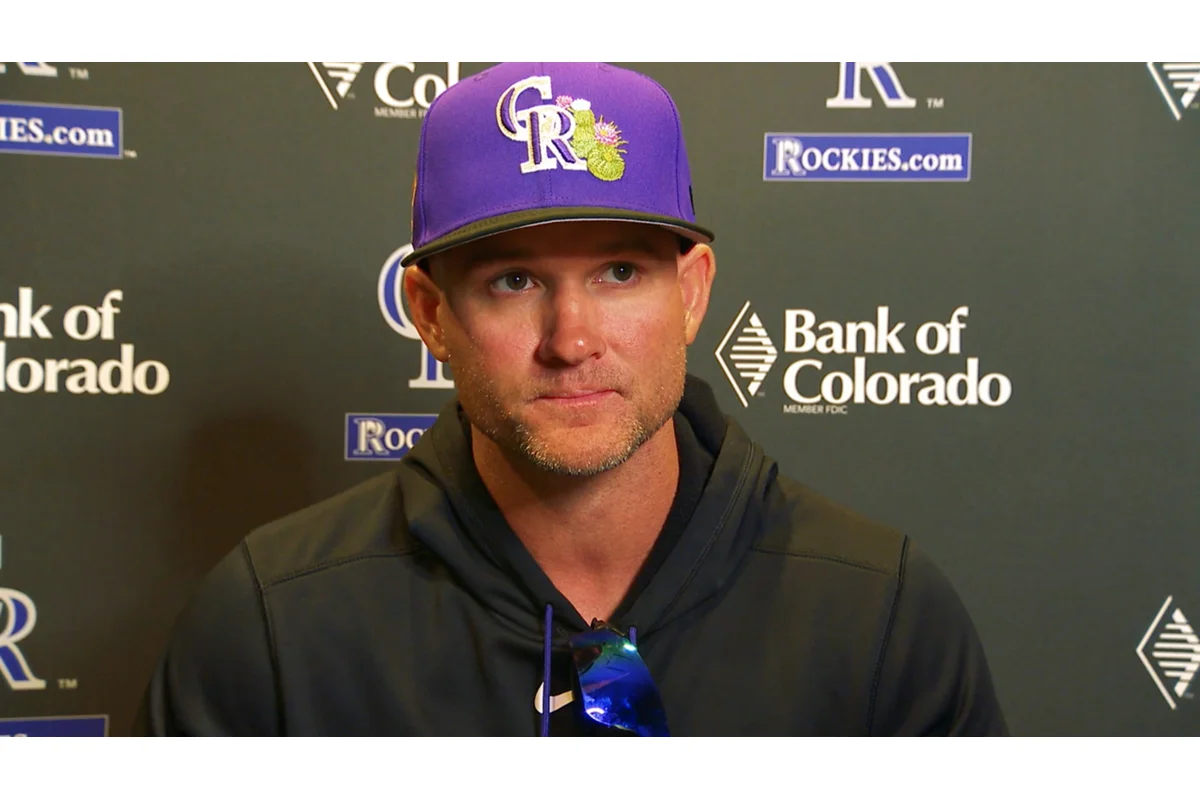
Freeland’s experience and longevity with the Rockies give him a unique perspective on pitching at Coors Field, and with new competition emerging, particularly from recent veteran acquisitions and the guidance of new pitching coach Alon Leichman, he could reclaim his role as the team’s primary starter.
Veteran Reliability Added with Jose Quintana
Among the newest additions, 37-year-old left-hander Jose Quintana brings a wealth of experience and steady production to the Rockies’ rotation. After starting his career with the Chicago White Sox and later pitching for rivals the Chicago Cubs, Quintana has spent recent years traversing several teams, including the New York Mets and Milwaukee Brewers. In 2025, Quintana made 24 starts with a 3.96 ERA and a 1.29 WHIP over 131.2 innings, showcasing dependable innings-eating ability.
With a career ERA of 3.76 and nearly 33 wins above replacement (WAR), Quintana is expected to serve as a veteran presence, helping the Rockies stabilize their rotation while offering leadership to younger pitchers. His addition reflects the Rockies’ intent to build around experienced arms capable of guiding the team out of a prolonged stretch of losing seasons.
Michael Lorenzen Brings Versatility and Experience
Right-hander Michael Lorenzen, entering his 12th MLB season, joins the Rockies after a stint with the Kansas City Royals, where he posted a 4.12 ERA across 34 games (32 starts) and threw 170.1 innings last year. Lorenzen’s career has been marked by periods of rotation and bullpen roles, and his experience provides the Rockies with flexibility. Having spent seven years with the Cincinnati Reds earlier in his career, Lorenzen carries postseason experience and veteran know-how that could prove valuable in strengthening Colorado’s pitching depth.
Although inconsistent at times and with a moderate 10.6 WAR over 11 seasons, Lorenzen offers the Rockies options—either as a starting pitcher or as long relief—helping fill gaps in the pitching staff and contributing to overall stability.
Tomoyuki Sugano’s Transition from Japan to MLB
Adding an international flavor to the rotation is Tomoyuki Sugano, a veteran right-hander who posted impressive dominance in Japan’s Nippon Professional Baseball (NPB) league before making his MLB debut with the Baltimore Orioles last season at age 35. Sugano boasts a remarkable NPB record, including three MVP awards, a 2.43 ERA, and a 136-74 win-loss record over 12 seasons.
However, Sugano’s first MLB season presented challenges, as he recorded a 4.64 ERA with 33 home runs allowed—the most in the American League in 2025—while pitching 157 innings in 30 starts. Despite this, he demonstrated strong command and durability, throwing deep into games and registering 10 quality starts.
The Rockies hope that Sugano can overcome the MLB learning curve and translate his extensive success in Japan into effective pitching in Colorado, adding diverse skills to their revamped rotation.
Ryan Feltner Expected to Anchor the Back End of Rotation
At the back end of the predicted rotation stands Ryan Feltner, who has earned a slight edge over other contenders such as Tanner Gordon, Antonio Senzatela, and Chase Dollander. Compared to those pitchers, whose ERAs exceeded six last season, Feltner appears more capable of securing the fifth starter position.
After a promising 2024 season where he posted a 4.49 ERA over 30 starts, Feltner was sidelined for much of 2025 due to back spasms, managing only six starts with a 4.75 ERA. With the influx of new veteran pitchers, Feltner faces less immediate pressure to excel, with his primary goal being to stay healthy and consistent throughout the 2026 campaign to seize extended opportunities on the mound.
Evaluation of the Rockies’ 2026 Starting Rotation
The Rockies have made significant strides by reinforcing the middle of their rotation, filling critical spots with proven starters that were lacking in previous seasons. This effort signals a renewed commitment to pitching improvement and sets a foundation for potential growth in a competitive National League West division. However, challenges remain daunting given the presence of powerhouse teams, including the recent back-to-back champion Los Angeles Dodgers, and established postseason contenders such as the San Diego Padres and Arizona Diamondbacks.
Even the San Francisco Giants, on the playoff fringe, represent additional obstacles for Colorado. The Rockies’ pitching additions will be tested against this tough divisional landscape, but the infusion of experience, variety, and new coaching could mark an important turning point for the team’s pitching fortunes and overall competitiveness in 2026 and beyond.
