

When preparing for fantasy baseball drafts, selecting relievers—especially in category leagues—can be a challenging task. The 2026 season presents a dynamic landscape with Mason Miller emerging as a top fantasy reliever candidate, while Edwin Díaz’s move to the Los Angeles Dodgers adds intrigue to the closer market. Understanding these pitchers’ roles, projections, and situational contexts is crucial for making the right picks.
Assessing Leading Relievers Ahead of 2026 Drafts
Elite closers often command early draft consideration thanks to their consistent saves, strong strikeout totals, and reliable statistics, but such stability is rare in a position known for volatility. Jhoan Duran and Andrés Muñoz are among the established closers who posted career-best save totals with impressive ratios, keeping them valuable options. Yet, even top performers like Mason Miller found themselves in non-closer roles last year, serving as setups behind teammates like Robert Suarez, who spearheaded the San Diego Padres’ closing duties and led the National League in saves.
Veteran closers such as Raisel Iglesias and Kenley Jansen still provide dependable ninth-inning experience, while late-round selections often bloom into useful assets due to emerging opportunities or rebounds. Aroldis Chapman exemplified such a late-round success story in 2025, revitalizing his career in his 16th MLB season. Whether drafters prioritize early acquisition of closers or prefer to gamble on saves from lesser-known relievers, comprehensive rankings and player projections help navigate these difficult decisions.
Top 2026 Fantasy Relievers: Detailed Projections and Roles
1. Mason Miller – San Diego Padres
Mason Miller’s 2025 season featured early inconsistency with a 4.04 ERA in May, but he stabilized to deliver a stellar 2.63 ERA and 0.91 WHIP in the second half while producing an MLB-leading 44.4% strikeout rate among relievers. Over 61 2/3 innings, he struck out 104 batters and recorded 20 saves with the Athletics before a midseason trade to the Padres placed him in a setup role behind Robert Suarez. With Suarez now a free agent, Miller is set to inherit the closer’s job, offering fantasy managers an excellent chance at high save totals and dominant ratios. His 2026 projections estimate 61.7 innings pitched, 38 saves, and 100 strikeouts with a 2.48 ERA.
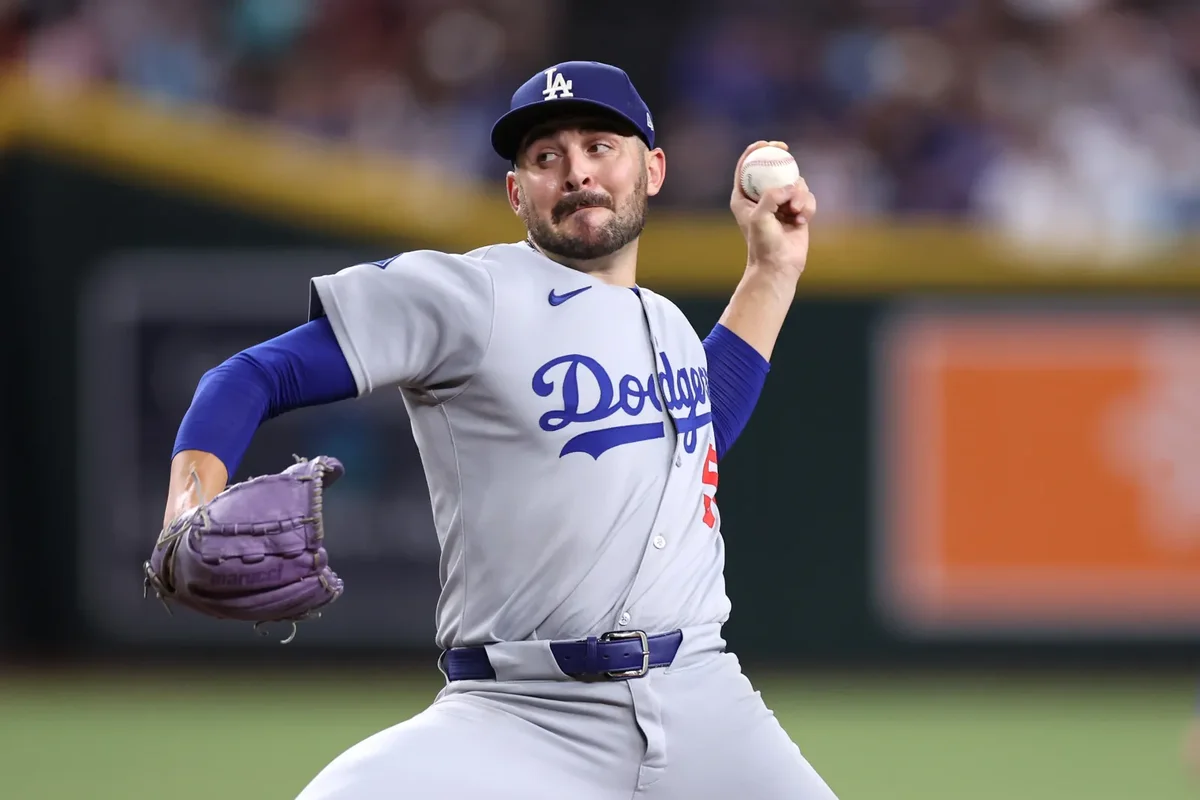
2. Edwin Díaz – Los Angeles Dodgers
Díaz bounced back well after a down 2024 season by delivering a dominant 1.63 ERA, 0.87 WHIP, and 28 saves over 66 1/3 innings with the Mets in 2025, while maintaining an elite 38% strikeout rate. Signing a lucrative three-year, $69 million contract with the Dodgers, he is tasked with anchoring one of baseball’s strongest bullpens. Although some regression in ratios could occur due to park factors and adjustment to a new environment, Díaz’s skills position him as one of the premier closers and a top fantasy selection early in reliever drafts. His 2026 estimates include 62.3 innings pitched, 38 saves, and 89 strikeouts with a projected 3.18 ERA.
3. Jhoan Duran – Philadelphia Phillies
After a somewhat disappointing 2024, Duran rebounded to post a 2.06 ERA across 70 innings in 2025, splitting time with the Twins and Phillies and converting a career-high 32 saves. Following his trade to Philadelphia, Duran solidified the closer role, converting 16 of 20 save opportunities late in the season. Despite a strikeout rate that has plateaued and a higher WHIP compared to other elite closers due to groundball tendencies, Duran offers a low-risk, high-upside profile as a consistent top-five fantasy closer candidate. His 2026 forecast includes 65.3 innings pitched, 36 saves, and 78 strikeouts with a 3.03 ERA.
4. (Tie) Cade Smith – Cleveland Guardians
Smith followed a breakout rookie year with an outstanding sophomore campaign, becoming one of just five relievers to exceed 100 strikeouts in 2025. The 26-year-old features a low walk rate and an arsenal including a fastball, splitter, and slider that generate significant swing-and-miss. After recording 19 holds as setup man, Smith assumed the closer role due to Emmanuel Clase’s suspension, finishing with 16 saves, a 2.93 ERA, and 1.00 WHIP. The Guardians lead MLB in saves over the past three seasons, and Smith is projected to maintain a primary ninth-inning role, producing strong strikeout and save totals. His 2026 projections list 64.3 innings, 34 saves, and 82 strikeouts with a 2.66 ERA.
4. (Tie) Andrés Muñoz – Seattle Mariners
Muñoz delivered his best major league season yet in 2025, posting a 1.73 ERA and converting 38 saves out of Seattle’s 43 opportunities. Advanced metrics suggest he was fortunate, partly due to an 11% walk rate sustained over multiple seasons, but his elite swing-and-miss ability, especially with his slider, supports his value. Despite a slight decline in swinging-strike rate on his fastball, Muñoz remains among the best at his position. He is the Mariners’ established closer heading into 2026, making him an attractive fantasy option. Projected stats include 57 innings pitched, 35 saves, and 73 strikeouts with a 2.84 ERA.
6. Devin Williams – New York Mets
Williams struggled after his 2024 move to New York, posting a 4.79 ERA with 18 saves and losing the ninth-inning role to David Bednar. However, underlying metrics such as a 2.95 xFIP suggest he remains closer to his dominant form seen during his Milwaukee tenure. Signed to a three-year, $51 million deal, Williams is expected to reclaim the closer position for the Mets and bounce back in 2026. His projection includes 59 innings pitched, 36 saves, and 81 strikeouts, holding a 2.90 ERA.
7. Aroldis Chapman – Boston Red Sox
Chapman’s 2025 season was arguably his best, with a 1.17 ERA, 0.70 WHIP, and 32 saves over 61 1/3 innings. At 37 years old, he maintains excellent velocity averaging 98 mph and records a strong 18.7% swinging-strike rate. Chapman’s career-best 6.6% walk rate helped achieve the best K-BB rate mark since 2016. While age is a consideration, he remains a reliable and effective closer expected to finish as a top-ten fantasy option in 2026. His forecast features 59.7 innings pitched, 31 saves, and 82 strikeouts with a 2.56 ERA.
8. David Bednar – New York Yankees
After an early-season demotion in 2024, Bednar rebounded impressively to finish with a 1.90 ERA, 27 saves, and 86 strikeouts over 61 2/3 innings. Acquired at the trade deadline, he quickly became the Yankees’ primary closer, a role he will hold in 2026 following Devin Williams’ departure. Bednar’s underlying metrics suggest 2024 struggles were an outlier, offering confidence in his continued effectiveness. His 2026 projections include 62.3 innings, 33 saves, and 79 strikeouts with a 3.47 ERA.
9. Josh Hader – Houston Astros
Hader delivered an excellent performance before a shoulder injury prematurely ended his 2025 season. Posting a 2.05 ERA, 0.85 WHIP, 28 saves, and 76 strikeouts, he showed elite skills, especially with his slider generating a 21.1% swinging-strike rate. Though opting against surgery, Hader experienced bicep inflammation during his offseason throwing program, raising some injury concerns. The Astros’ closer role will largely depend on his health in 2026, making him a high-risk, high-reward draft choice. Projections estimate 61.3 innings pitched, 34 saves, and 91 strikeouts with a 3.08 ERA.
10. Ryan Helsley – Baltimore Orioles
Helsley struggled in 2025, finishing with a 4.50 ERA and 21 saves including a poor stretch after a midseason trade to the Mets. Despite this performance drop, his previous three-season track record of a 1.83 ERA over 167 2/3 innings supports optimism for a rebound. Signed to a two-year, $28 million contract, he will serve as the Orioles’ primary closer under manager Craig Albernaz. Helsley is viewed as a backend RP1 option with upside potential. His forecast for 2026 includes 61.7 innings pitched, 32 saves, and 74 strikeouts with a 3.65 ERA.
11. Jeff Hoffman – Toronto Blue Jays
Hoffman experienced his first full-time closer role after successful setup seasons and converted 33 saves, ranking fourth in MLB last year. However, he recorded a disappointing 4.37 ERA with a 1.19 WHIP and uneven underlying metrics, including a 12% K-BB rate. While the Blue Jays have not added a clear closer alternative, the front office remains noncommittal about his role heading into 2026. Hoffman’s potential to return to form makes him a solid but uncertain fantasy option. Projections include 64.3 innings, 32 saves, and 77 strikeouts with a 3.50 ERA.
12. Raisel Iglesias – Atlanta Braves
Iglesias had a rocky start to 2025, with a 5.91 ERA early on before rounding into form with a 1.96 ERA and 21 saves after June, finishing with 29 saves total. His fastball velocity has steadily declined, decreasing swing-and-miss rates and shifting him from elite to very good closer status. Despite the team adding Robert Suarez, Iglesias will be Atlanta’s ninth-inning option in 2026. Without a velocity rebound, some regression in saves and ratios is expected. His projection includes 64 innings, 31 saves, and 67 strikeouts with a 3.66 ERA.
13. Daniel Palencia – Chicago Cubs
Palencia broke out in 2025, posting a 2.91 ERA and 22 saves over 52 2/3 innings before suffering a September shoulder strain. His fastball velocity of 99 mph was intact upon return, suggesting full health for 2026. Palencia is poised to enter the next season as the Cubs’ closer with minimal competition for the role, making him an appealing RP2 selection with solid upside in drafts. Projections forecast 60.7 innings pitched, 33 saves, and 67 strikeouts with a 3.26 ERA.
14. Trevor Megill – Milwaukee Brewers
Megill converted 30 saves with a 2.49 ERA before a late August elbow strain landed him on the injured list. The Brewers replaced him with Abner Uribe late in the season and postseason, but Megill remains the favorite to resume closing duties in 2026. Despite his strong skills, the recent injury and playoff usage introduce uncertainty. While his 2026 outlook anticipates 55 innings, 23 saves, and 66 strikeouts with a 3.27 ERA, the injury status demands caution for drafters.
15. Pete Fairbanks – Miami Marlins
Fairbanks completed a healthy full season in 2025 with a career-high 27 saves and a 2.83 ERA while striking out 59 batters. His strikeout rate has softened as a result of fastball velocity dropping from 99 mph to 97 mph beginning in 2024. Now signed for one year at $13 million to close for Miami, Fairbanks combines stability with an underlying injury risk. Marlins’ future playoff contention may affect his role or lead to trade speculation. His 2026 projections include 55.3 innings pitched, 28 saves, and 55 strikeouts with a 3.90 ERA.
16. Emilio Pagán – Cincinnati Reds
Pagán shocked many with a late resurgence in 2025, securing 32 saves and limiting runs to a 2.88 ERA across nearly 69 innings. Maintaining a solid swinging-strike rate and walk control, he remains vulnerable to home runs. Signed to a two-year, $20 million deal, Pagán is expected to remain Cincinnati’s closer. While some regression in ERA is likely due to his home run susceptibility, he offers steady save potential as a secondary closer. His 2026 forecast includes 64.3 innings pitched, 26 saves, and 65 strikeouts with a 3.92 ERA.
17. Carlos Estévez – Kansas City Royals
Despite underlying indicators suggesting decline, Estévez led MLB with 42 saves in 66 innings at a 2.45 ERA. His fastball velocity has dropped, and his swing-miss rate fell to 8.2%, increasing risk of regression. The Royals’ approach to Kauffman Stadium adjustments further complicates his outlook. Still, he is the unquestioned closer entering 2026 and will be drafted primarily for saves, despite potential for diminished ratios. Projected stats include 62 innings pitched, 28 saves, and 56 strikeouts along with a 4.06 ERA.
18. Kenley Jansen – Detroit Tigers
Jansen converted 29 saves in 2025 with a solid 2.59 ERA but showed a career-low 24.4% strikeout rate and reliance on luck reflected in a .195 BABIP. His peripheral numbers suggest regression, though he has consistently outperformed such metrics for years. Now 38 and joining Detroit, Jansen will likely begin the season as the closer, but in a committee-based bullpen setup. His milestone of approaching 500 career saves adds significance to his 2026 campaign, which projects 55.7 innings pitched, 25 saves, and 58 strikeouts with a 3.72 ERA.
19. Griffin Jax – Tampa Bay Rays
Jax disappointed in 2025 with a 4.23 ERA and 1.29 WHIP but sustained strong underlying skills including a 18% swinging-strike rate and a career-high 99 strikeouts. Problems with balls in play and his fastball’s effectiveness caused offensive success against him. With Tampa Bay employing a closer committee, Jax’s opportunities for saves may be limited, but he carries upside for bounce-back performance. The projected 2026 season includes 66.3 innings, 28 saves, and 82 strikeouts at a 3.12 ERA.
20. (Tie) Abner Uribe – Milwaukee Brewers
Uribe recovered from a difficult 2024 in which suspensions and injuries limited him, posting a 1.67 ERA, 1.04 WHIP, and 90 strikeouts in 75 1/3 innings during 2025 across 37 holds and seven saves. Despite closing late in the season, Trevor Megill remains the projected starter for saves in 2026; however, trade rumors around Megill make Uribe’s role uncertain yet intriguing. Should he step into the closer role, Uribe demonstrates potential as a top-tier option. Projections show 64.3 innings pitched, 16 saves, and 80 strikeouts with a 2.94 ERA.
20. (Tie) Dennis Santana – Pittsburgh Pirates
Santana is slated as Pittsburgh’s closer after posting a 2.18 ERA, 0.87 WHIP, and 16 saves in 70 1/3 innings in 2025 following David Bednar’s trade. Though lacking prototypical closing velocity, he showed improvement in strikeout rate via slider usage and career-best 6.3% walk rate. Continued strikeout growth and control are essential for his success. As the uncontested closer, Santana offers a low-cost saves option for fantasy managers cautious about risk. His 2026 forecast includes 63 innings pitched, 23 saves, and 61 strikeouts with a 3.86 ERA.
22. Ryan Walker – San Francisco Giants
Walker’s 2025 season was uneven, resulting in a 4.11 ERA and a reduced strikeout rate after a strong breakout in 2024. Initially the Giants’ closer, he was shifted to middle relief after a poor start but reclaimed some closing duties late following roster changes. The team’s indication of looming competition for the closer role adds uncertainty. Walker’s 2026 projections include 65 innings, 13 saves, and 68 strikeouts with a 3.60 ERA.
23. Riley O’Brien – St. Louis Cardinals
Returning from a forearm injury in 2024, O’Brien pitched a career-high 48 innings in 2025 with a solid 2.06 ERA and 6 saves. While strikeouts were lower than in the minors, his high groundball rate helped control runs. An 11.6% K-BB rate and limited closing experience suggest a risk of regression, limiting his fantasy ceiling. O’Brien remains a late-round dart throw with modest upside, expected to deliver 61 innings pitched, 21 saves, and 63 strikeouts at a 3.84 ERA.
24. Seranthony Domínguez – Chicago White Sox
Domínguez posted a 3.16 ERA and a high 13.8% walk rate along with 79 strikeouts and 23 saves in a split season between Baltimore and Toronto. His 30.3% strikeout rate was a career best, offset by control challenges reflected in a middling 16.5% K-BB rate. The White Sox signed him to a two-year, $20 million deal, entrusting him as the 2026 closer. He represents a fallback saves option late in drafts with some questions about efficiency. Projections expect 61.7 innings pitched, 23 saves, and 69 strikeouts at a 3.79 ERA.
25. Bryan Abreu – Houston Astros
Abreu continued as a premier setup man for the Astros in 2025, tallying over 100 strikeouts for a third consecutive season alongside a 2.28 ERA. He filled in for injured Josh Hader, notching seven saves and improving his swinging-strike rate to 17.8%. Consistent durability and skill mark him as a top closer handcuff with the capability to become a leading saves figure if called upon. His 2026 outlook includes 67.7 innings pitched, 4 saves, and 92 strikeouts while maintaining a 2.93 ERA.
28. Kirby Yates – Los Angeles Angels
Yates struggled in 2025 after earlier career resurgence, hindered by hamstring and back injuries that contributed to a 5.96 ERA over his last 22 2/3 innings. Despite a strong early strikeout rate, age and soft tissue issues raise concerns regarding his durability and consistency. Signed for one year at $5 million, Yates is expected to compete for saves but carries notable risk as a late-round, high-variance option. His projections include 52.3 innings pitched, 22 saves, and 66 strikeouts with a 3.96 ERA.
Impact and Outlook for Fantasy Managers
The 2026 fantasy reliever tier offers a mix of proven closers, emerging talents, and high-upside candidates facing varying degrees of risk. Mason Miller’s elevation to the primary closer role in San Diego positions him as a premier fantasy asset, while Edwin Díaz’s arrival in Los Angeles signals a renewed opportunity for one of baseball’s elite bullpens. Veterans like Aroldis Chapman and Kenley Jansen provide reliable save opportunities for managers favoring experience, but underlying trends such as velocity decline and injury risk cannot be ignored. Meanwhile, younger relievers including Cade Smith, Jhoan Duran, and David Bednar demonstrate the potential to excel given stable roles.
Fantasy participants should weigh save opportunity stability alongside peripheral statistics such as strikeout and walk rates, as volatility remains high among closers. Monitoring in-season changes, injuries, and team strategies will be crucial to maximizing reliever value. As team rosters solidify further into the offseason, managers will need to carefully assess potential late-round saves and emerging pitchers in committee bullpens. With NBC and Peacock set to expand MLB coverage, the increased exposure of games—especially early season primetime matchups—may aid fantasy owners in tracking reliever performances and adjustments throughout the 2026 campaign.
