
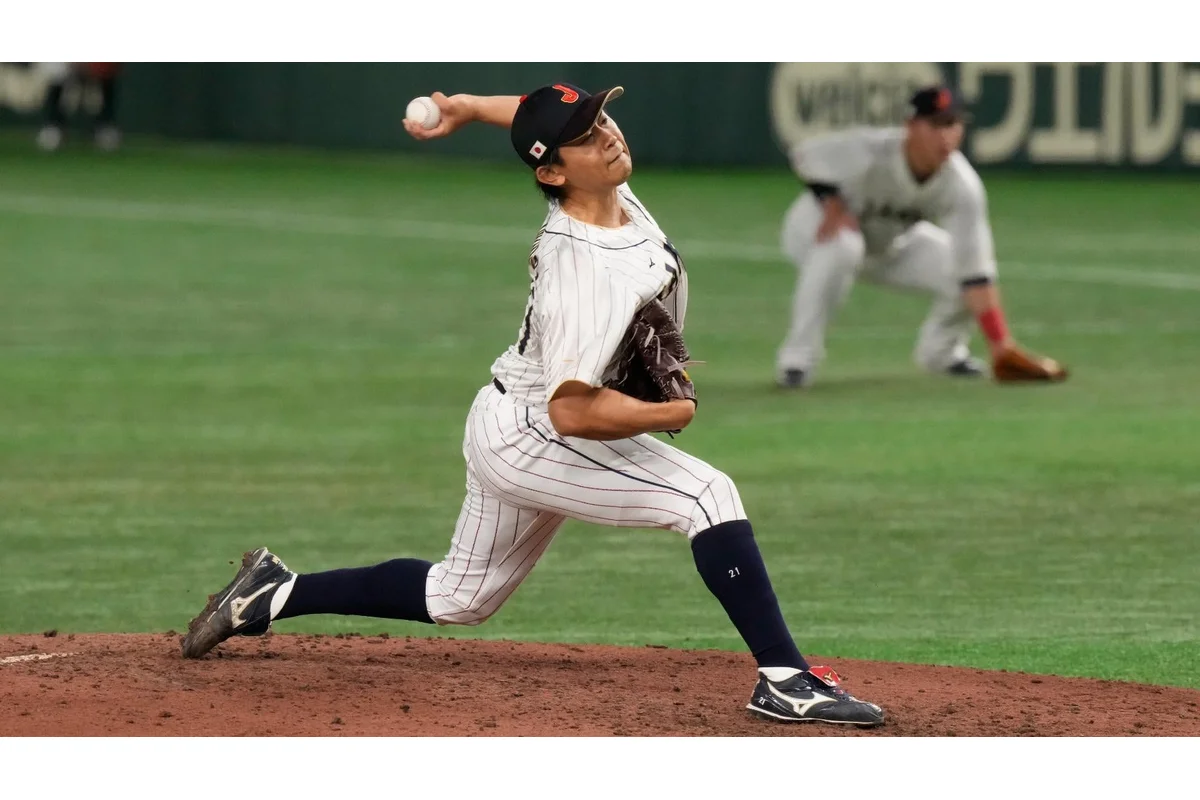
When Shota Imanaga first took the mound for the Chicago Cubs, excitement ran high. During a chilly evening at Wrigley Field, aided by the iconic winds, the left-handed pitcher dominated a struggling Colorado Rockies lineup. Over his initial 53 innings in Major League Baseball, Imanaga posted an exceptional sub-1.00 ERA without a loss, heralding him as a rising star. Although his debut campaign’s following 119 innings were less spectacular, he still maintained solid numbers with a 3.82 ERA and nearly 24% strikeout rate. These stats positioned him as a reliable, though not ace-level, starter—someone valuable in a rotation but perhaps not a definitive leader. Heading into 2025, expectations for Imanaga were high, if a bit inflated among fans and analysts alike.
A Rough 2025 Season and Emerging Concerns
The 2025 season marked a sharp downturn in Imanaga’s performance and reputation. His struggles began early in the year, notably in a challenging outing at the Tokyo Dome against the Los Angeles Dodgers. Things worsened after a hamstring injury on May 4, which visibly affected him for the rest of the campaign. Imanaga’s fastball lost velocity throughout the year, dropping several miles per hour and hampering his effectiveness. Despite a temporary rebound with a 3.54 ERA across 54 innings, inconsistency plagued him late in the regular season and the playoffs. His inability to regain form contributed to the Cubs’ decision to bypass him in Game 5 of the NLDS, a difficult choice given his status as the Opening Day starter.
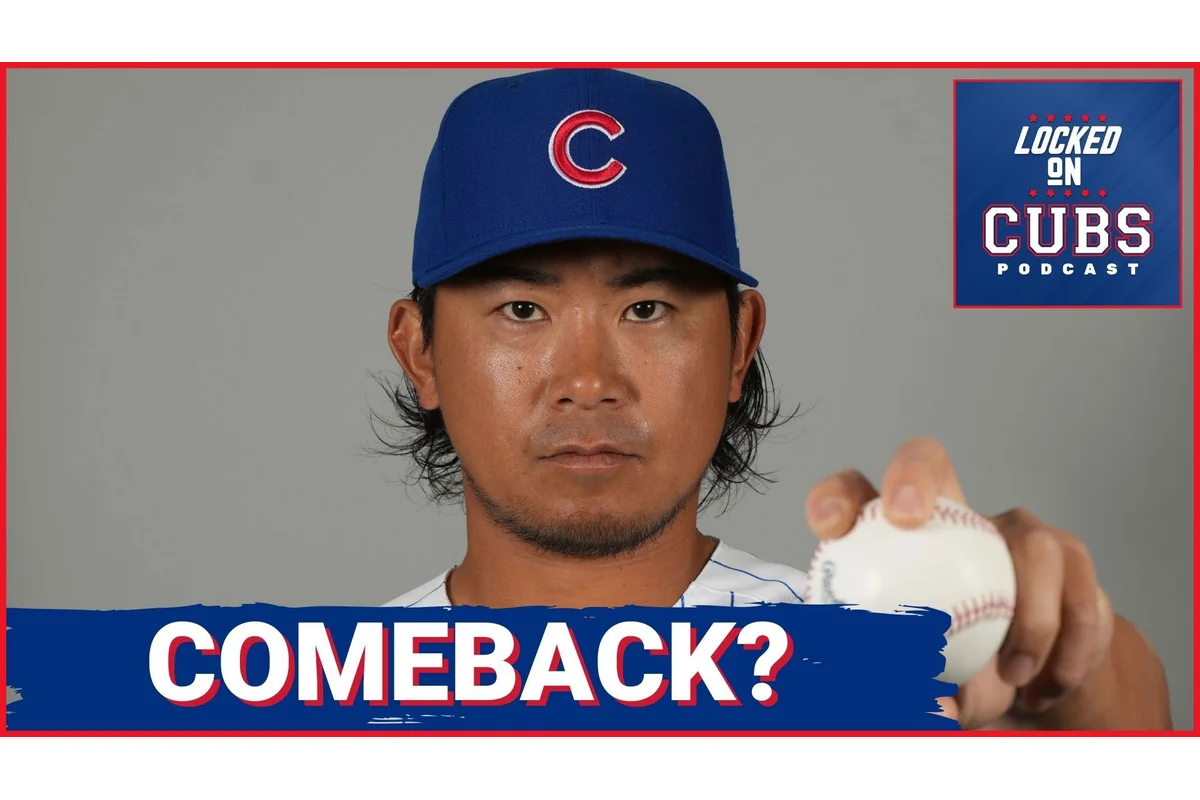
Contract Decisions and 2026 Outlook
In light of his uneven 2025, both Imanaga and the Cubs agreed that a one-year qualifying offer worth $22.025 million was the best path forward for the 2026 season. This deal gives Imanaga a better salary than initially anticipated but sacrifices multi-year security. Meanwhile, the Cubs retain flexibility to evaluate his ongoing performance before committing long term. The arrangement reflects mutual caution—both sides recognize their continued reliance on each other but want to avoid premature commitments. As 2026 approaches, uncertainty surrounds Imanaga’s role; observers debate whether he can return to his 2024 form or if last year’s struggles signal a lasting decline. Much hinges on one critical factor: the return of his fastball velocity.
The Impact of Velocity on Imanaga’s Effectiveness
Chris Langin, a former instructor at Driveline, offered a detailed analysis of Imanaga’s velocity challenges last season. His fastball, consistently his best pitch, was the key to his success—unique in its movement and speed at around 92-93 mph in peak form. This fastball effectively forced hitters to respect it, allowing his secondary pitches like the sweeper and splitter to thrive due to induced chasing behavior. However, when his velocity dipped to 90-91 mph in 2025, the fastball lost its distinctive edge, becoming more hittable and altering hitters’ approach from caution to aggression. This “velocity no-man’s land” caused his struggles, as hitters began hunting the fastball instead of protecting against it.
A glance at Imanaga’s Baseball Savant statistics reveals this shift clearly: while he still generated chase rates, his whiff and strikeout percentages declined significantly. Opponents made cleaner contact, especially against his fastball, which saw a sharp drop in value. This decline extended beyond the fastball to his splitter, where reduced swing-and-miss rates further stalled his effectiveness. Given that Imanaga primarily relies on his fastball and splitter combination, troubles with both offerings explain the overall drop in his performance.
Health and Mechanics as the Path to Revival
For the upcoming season, the Cubs and Imanaga are pinning their hopes on improved health. Manager Craig Counsell has publicly suggested that the left-hander’s hamstring injury was primarily responsible for last year’s lost velocity. Encouragingly, team data indicate some velocity rebound during spring training. Before his injury in 2025, Imanaga averaged 91.2 mph on his fastball, which slipped to 90.7 mph after. While still below his 2024 average of 91.9 mph, factors like early-season cold weather at Wrigley Field might explain part of the variation.
Beyond velocity, changes in Imanaga’s pitching mechanics offer clues. After the injury, his arm angle dropped considerably, possibly to generate additional movement on his sweeper but also potentially signaling mechanical compensation for the weakened left hamstring—the plant leg critical to his power generation. Such adjustments could contribute not only to reduced velocity but also the poor pitch location and home run issues that surfaced late in the previous campaign.
Spring Training Data and Rotational Depth Offer Hope
This spring, Cubs fans will have the unique opportunity to track Imanaga’s progress closely, as Sloan Park in Mesa, Arizona, will feature Statcast tracking for all spring games for the first time. Monitoring his fastball velocity will be crucial; hitting the 92-93 mph range again would suggest a meaningful recovery and a return to 2024 form. The Cubs have shown prudence in managing expectations and their reliance on his fastball speed. The rotation already includes promising arms such as Cade Horton, Matthew Boyd, Jameson Taillon, Edward Cabrera, and returning starter Justin Steele. Rookie Jaxon Wiggins and swing starters like Colin Rea, Javier Assad, Jordan Wicks, and Ben Brown provide further depth, allowing flexibility if Imanaga struggles beyond spring.
Conversely, if Imanaga can rediscover his earlier velocity and command, the Cubs could possess an unexpectedly strong rotation, combining an embarrassment of pitching talent. This scenario would significantly boost the team’s competitiveness and provide long-term stability behind the plate.
Imanaga’s Status: Underrated and Critical to Cubs’ Future
Heading into the 2026 season, Shota Imanaga’s situation mirrors the early days of his MLB career, when expectations exceeded his experience and potential. His current undervaluation among fans might once again prove misplaced if he can return to form. The Cubs’ cautious approach—opting for a qualifying offer rather than a multi-year commitment—reflects their concern over his durability and inconsistency but also their belief that he still has much to offer.
The implications of Imanaga’s comeback extend beyond individual performance; his resurgence could reshape the Cubs’ pitching strategy and influence roster decisions in the near future. If velocity and health align, he may reclaim a spot among the league’s top starters, alleviating pressure on the team’s depth and enhancing their playoff prospects. Conversely, continued struggles might push the Cubs to rely more heavily on younger arms and free-agent options.
As the season unfolds, fans and analysts alike will watch closely to see if Shota Imanaga’s velocity comeback becomes the turning point that revitalizes his career and impacts the Cubs’ future trajectory in Major League Baseball.
Last year, a lot of the games on Baseball Savant said "no Statcast," as a lot of the spring parks weren't available.
This year … well, fun that you don't see that labelhttps://t.co/tHk8dUzoxE pic.twitter.com/r2LUjNWaio
— Mike Petriello (@mike_petriello) February 11, 2026
