
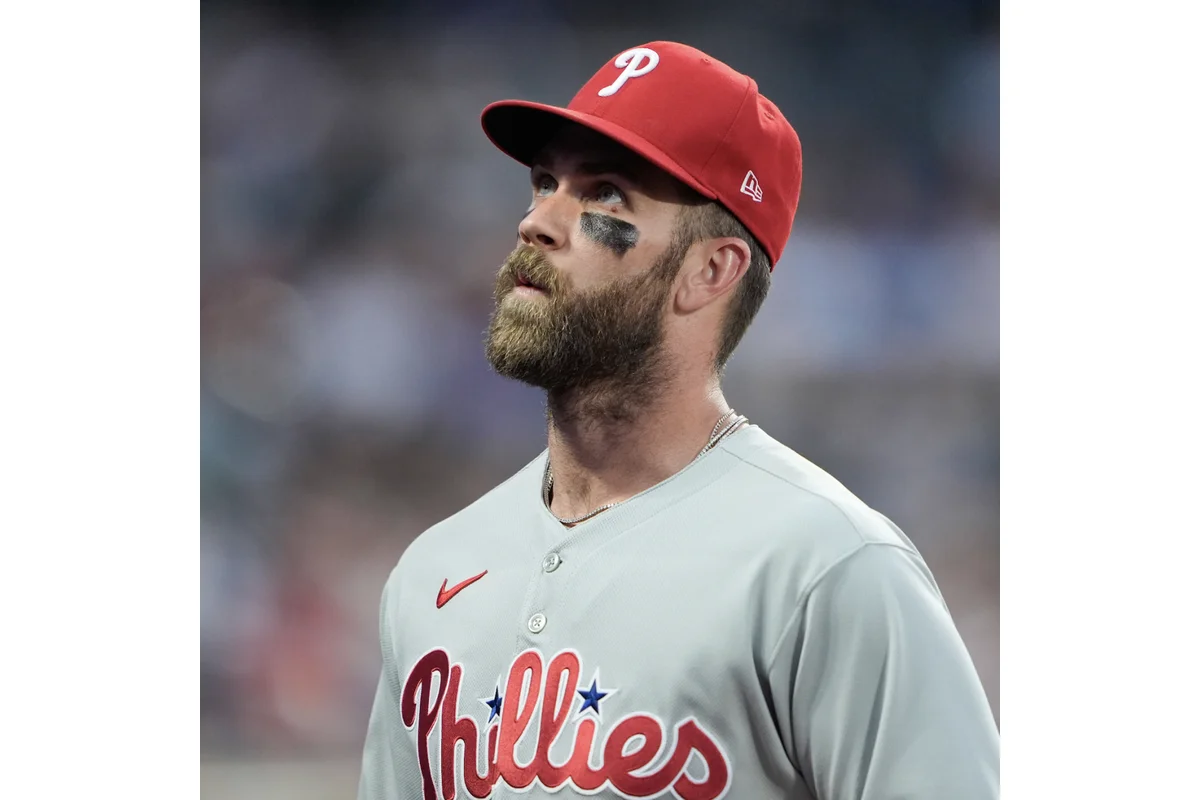
Genesis Cabrera, the left-handed reliever remembered for hitting Philadelphia Phillies star Bryce Harper with a 97 mph fastball, is now in contention to join the Phillies’ roster when the 2026 season begins on Thursday, March 26, against the Texas Rangers. With the Phillies evaluating bullpen options, Cabrera’s chance to secure a spot highlights the ongoing effort to shape a competitive roster around key players like Bryce Harper.
MLB.com identified Cabrera as a possible surprise candidate to make the Phillies’ Opening Day roster. As contributor Todd Zolecki noted,
If Cabrera can recapture his form from 2021-24 — 3.94 ERA in 240 appearances — perhaps he can make one of the final two bullpen jobs available,
emphasizing Cabrera’s potential value if he returns to his previous consistency.
The 2021 Incident That Put Cabrera in Phillies History
The well-documented moment between Cabrera and Harper happened on April 28, 2021, during a tied game between the Phillies and Cardinals. Cabrera was brought in by manager Mike Shildt to create a lefty-on-lefty matchup, but his first pitch struck Harper on the left cheek, causing visible injury. Harper’s nose was bleeding as he left the batter’s box, and Cabrera’s next pitch hit Didi Gregorius, escalating tensions.
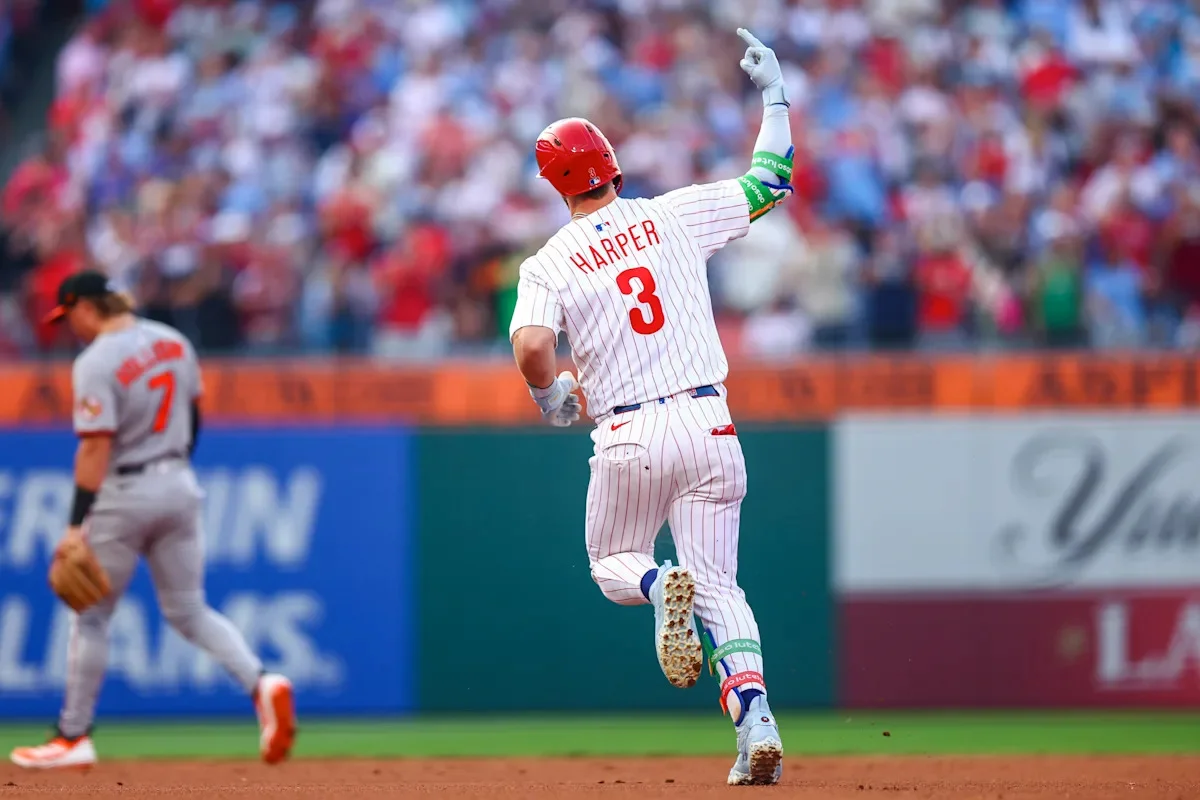
Though Cabrera took the loss later in the game after a go-ahead run scored on an Andrew McCutchen single, the Phillies maintained their lead and ultimately won. This memorable moment cast Cabrera in the spotlight with the Phillies fanbase—a connection that may prove significant if he makes the team this coming season.
Genesis Cabrera’s Career Journey from Rays to Phillies
Cabrera began his professional path when the Tampa Bay Rays signed him as an international free agent in 2013. In 2018, he was traded to the St. Louis Cardinals as part of a deal involving outfielder Tommy Pham. Cabrera debuted in the major leagues with St. Louis in 2019 and solidified his role as a key bullpen arm over the next few years.
During five seasons with the Cardinals, Cabrera maintained a 4.14 ERA before being traded to the Toronto Blue Jays in 2023. With Toronto, he lowered his ERA to 2.66 over 29 appearances and became a crucial bullpen piece in 2024, leading the team with 13 holds and recording two saves. The 2025 season saw Cabrera move between four organizations—the Mets, Cubs, Pirates, and Twins—before signing a minor-league deal with the Phillies this past December.
Examining the Phillies’ Bullpen Depth for Opening Day 2026
The Phillies have fortified their bullpen in recent seasons, acquiring premier closer Jhoan Duran midway through 2025. Jose Alvarado returns for a full season after missing time due to a PED suspension, while Brad Keller signed a two-year, $22 million contract following a breakout year as a reliever with the Chicago Cubs.
Promising arms like Orion Kerkering, despite his critical error that ended the Phillies’ 2025 campaign, aim to contribute heavily in late-inning situations. Jonathan Bowlan, acquired in the trade that sent Matt Strahm to the Royals, is also expected to hold a bullpen role. Furthermore, Tanner Banks looks poised to serve as the No. 2 left-hander behind Alvarado after a solid 2025 effort.
Cabrera faces competition for one of the final bullpen spots against pitchers such as Zach Pop, Lou Trivino, and Tim Mayza. If the Phillies opt for an additional lefty in the bullpen, both Cabrera and Mayza could be preferred candidates to fill that niche.
Implications of Cabrera Joining the Phillies’ 2026 Squad
Should Genesis Cabrera secure a spot on the Phillies’ roster, it would represent a meaningful reunion with Bryce Harper and an opportunity for the left-handed reliever to reestablish himself after a turbulent 2025 season. The Phillies’ addition of Cabrera could enhance bullpen flexibility, especially in matchups requiring a reliable southpaw arm.
As the team readies for the 2026 Opening Day, Cabrera’s presence could provide depth and experience critical to supporting high-profile players. His journey from international free agent to potential teammate of Harper underscores the dynamic nature of roster construction and the ongoing search for valuable contributors in Major League Baseball.
