
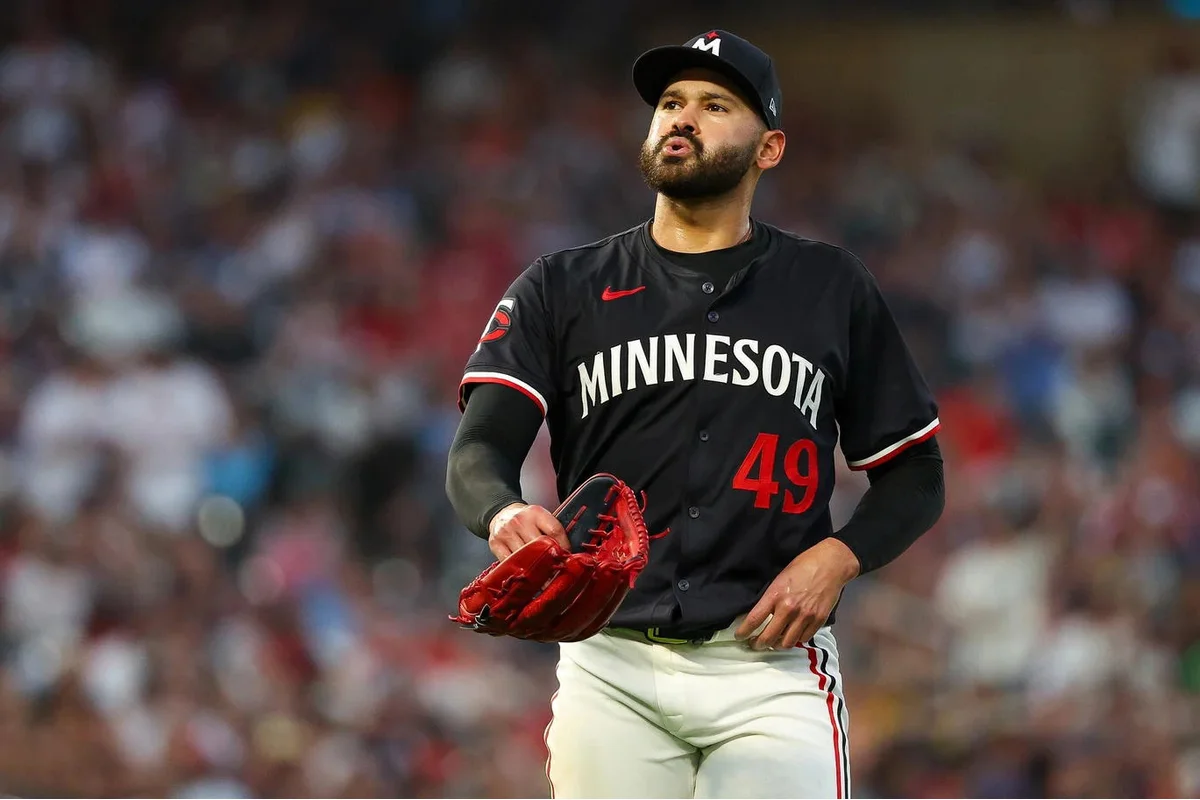
The Minnesota Twins face a defining challenge in the first half of their 2026 season, with games between Opening Day and the All-Star break poised to determine their trajectory. As the team grapples with a thinner roster and fewer resources than in recent years, their ability to avoid a slow start appears crucial for both playoff hopes and long-term plans.
Recent Early-Season Struggles Emphasize the Stakes
Looking at the last two seasons, the Twins have repeatedly encountered slow starts, forcing them into uphill battles. In 2025, Minnesota’s 13-20 record by early May left them far behind division leaders, despite a mid-season 13-game winning streak that ultimately concealed roster weaknesses. The 2024 campaign followed a similarly uneven path, featuring an early 7-13 slump offset by a strong winning run but not enough to sustain contention.
Given these past patterns, the 2026 edition of the Twins may not withstand another shaky beginning. The team’s diminished lineup depth, a less reliable bullpen, and a rotation missing elite arms means falling significantly under .500 in April could push management toward either active acquisition or rebuilding mode.
Trade Speculation and Roster Uncertainty Loom Large
Trade rumors are already swirling around key players like Joe Ryan, one of the American League’s most valuable controllable starters, and Byron Buxton, whose full health could dramatically impact the Twins’ dynamic. Catcher Ryan Jeffers, now regarded as a top-hitting catcher but approaching free agency, has also drawn trade chatter. A disappointing stretch in the first half would only deepen these conversations across the league, placing pressure on the front office to make tough roster decisions before the trade deadline.
Ownership Demands Continued Competitiveness Amid Uncertainties
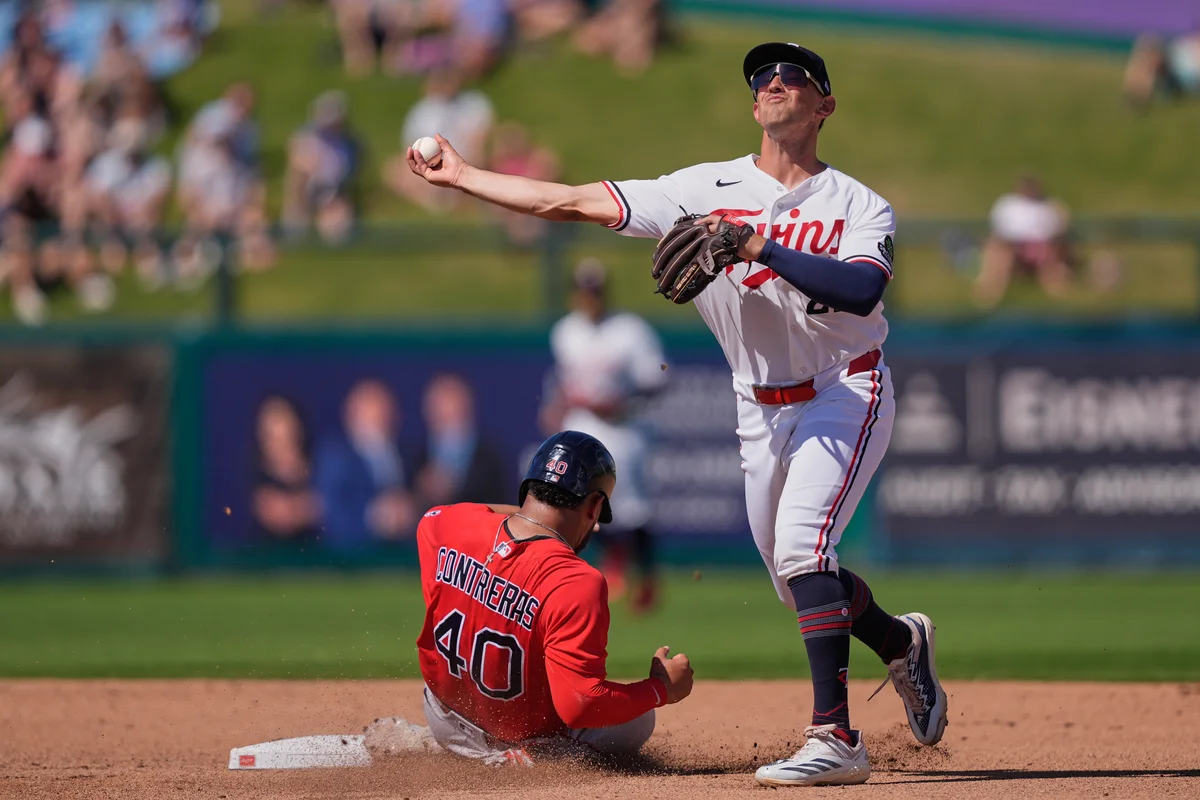
Team owner Tom Pohlad has been clear in his expectations: the Twins should contend and play meaningful games come September. Achieving this likely means the team must hover near a .500 record at the trade deadline, hoping the American League Central’s competitive inconsistencies favor their positioning. A close race within the division by late July might justify adding veteran pieces, while a greater deficit could force the Twins to prioritize long-term rebuilding.
Emerging Prospects Could Play Decisive Roles
One of the most intriguing aspects of Minnesota’s 2026 first half is the potential arrival of several promising players from Triple-A. Prospects like Walker Jenkins, Emmanuel Rodriguez, Kaelen Culpepper, and Connor Prielipp represent a wave of young talent with the potential to bolster the roster. Jenkins projects as a middle-of-the-lineup hitter, Rodriguez brings power and plate discipline, Culpepper impresses with advanced bat skills, and Prielipp offers rotation-altering potential if healthy.
Whether these prospects are called up as reinforcements for a playoff push or placed into a developmental role depends heavily on the Twins’ standing by mid-season. If veterans remain, young players could provide a spark for postseason contention; if the team is out of the running, prospects will likely gain experience in a rebuilding phase focused on growth over immediate wins.
Business Pressures Add to On-Field Challenges
Beyond competitive concerns, the Twins face the task of re-engaging a frustrated fan base after consecutive disappointing seasons. The organization has introduced various promotions, from discounted beer to free ice cream for children, aiming to improve the in-stadium experience. However, winning remains the most effective tool for maintaining fan interest and support.
Financially, the team’s payroll has contracted significantly—from $160 million in 2023 down to just over $100 million in 2026—complicated by ongoing salary obligations like the $10 million paid to the Houston Astros for Carlos Correa and the $21.5 million contract of Pablo López, who will miss the season due to Tommy John surgery. This tight financial margin amplifies the stakes of on-field performance.
Implications of the Twins’ First Half Performance
A strong showing early in the 2026 campaign could stabilize the franchise’s direction by silencing trade speculation, boosting ownership confidence, energizing the fan base, and creating opportunities for top prospects to join a competitive roster. Conversely, a poor start is likely to accelerate difficult decisions and potentially reshape the Twins’ organizational strategies for the remainder of the decade.
The key for Minnesota will be to avoid the slow starts that have hampered previous campaigns; this time, it appears the team cannot rely on extended winning streaks to erase early deficits.
