
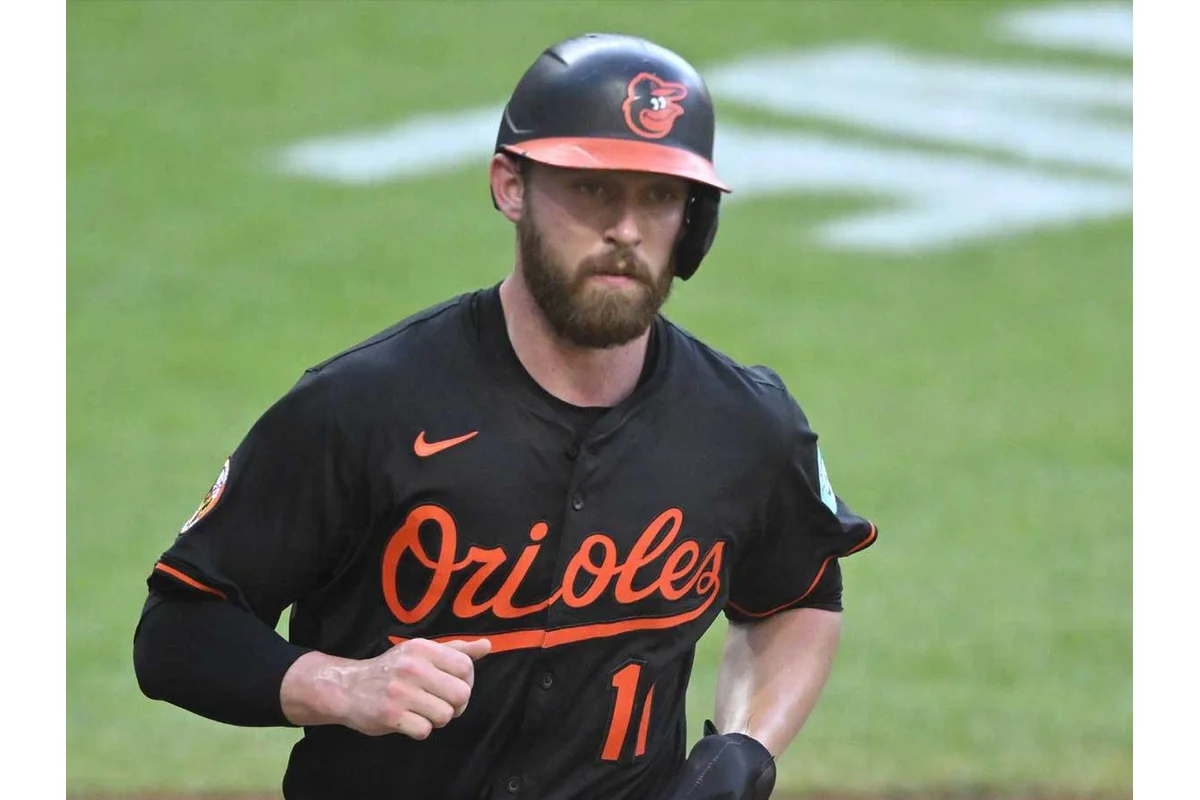
The Baltimore Orioles’ prospect Jordan Westburg has turned to platelet-rich plasma (PRP) injection as a possible remedy for his injury, a treatment that has shown mixed results in the past. PRP therapy, which involves injecting concentrated platelets to promote healing, has been used increasingly by athletes trying to accelerate recovery. Whether this will allow Westburg to return to peak form remains uncertain, but history offers cautious optimism.
Background on PRP Usage Among Athletes
The use of PRP injections in sports medicine has grown as players seek alternatives to surgery and lengthy rehabilitation. Injecting platelet-rich plasma into injured tissues aims to stimulate repair by enhancing the body’s natural healing mechanisms. While some players recover swiftly and return to competition, others experience limited benefits, underscoring the variability of outcomes with this approach.
Context and Implications for Westburg and the Orioles
Jordan Westburg’s injury has put a significant question mark on his near-term contributions to the Orioles’ lineup. The organization’s medical staff opted for PRP treatment hoping to avoid invasive procedures and speed his return. Success in this case could bolster Westburg’s development trajectory, enhancing the Orioles’ infield depth. Conversely, if the injection fails to deliver, it could prolong his absence and complicate the team’s roster planning.
Historical Outcomes and What It Means Going Forward
Past cases of PRP treatments for similar injuries provide a mixed record, with some players regaining full function and others facing setbacks or additional interventions. The Orioles’ reliance on this method reflects a broader trend in professional baseball to explore less disruptive options. Monitoring Westburg’s recovery will offer insight into the efficacy of PRP therapy within the team’s medical protocols and inform future decisions for injured players.
