
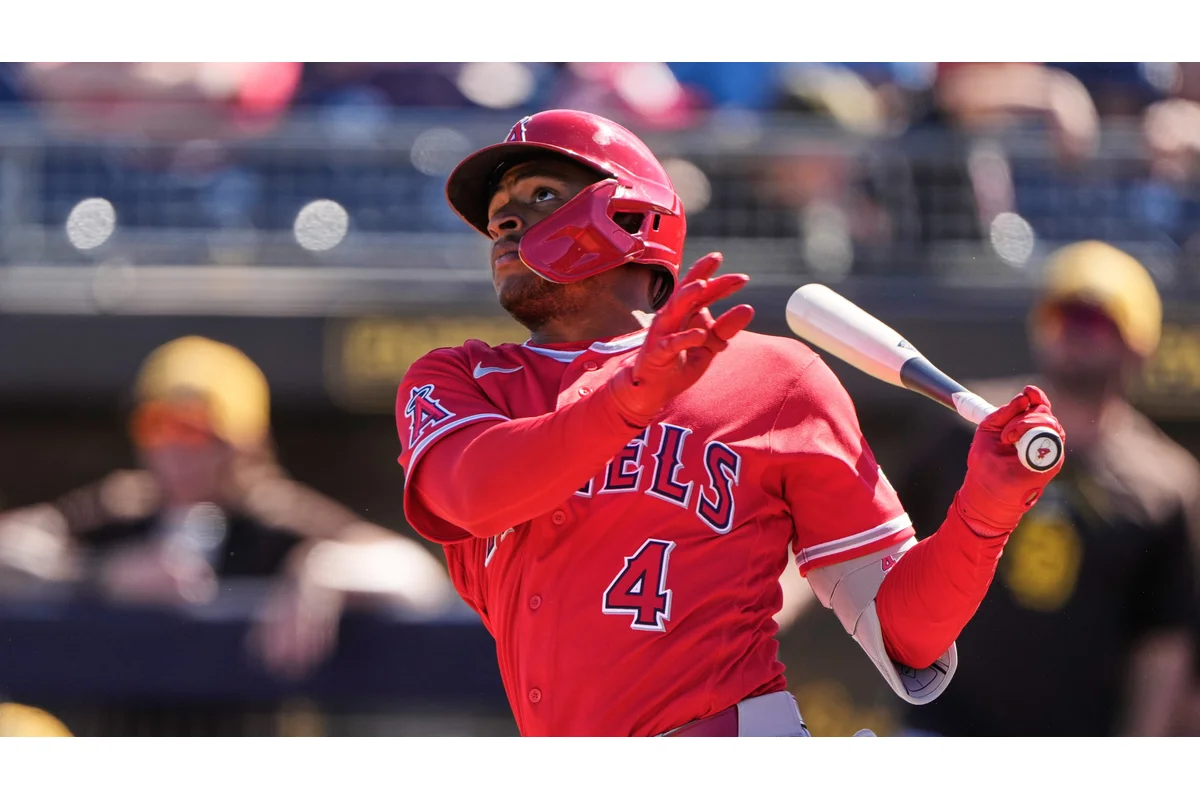
As the 2026 season approaches, the Los Angeles Angels‘ starting pitchers face a mixture of hope and uncertainty. Evaluations based on recent performances and projections highlight key returning starters and candidates on the fringe of the rotation. Understanding each pitcher’s strengths, weaknesses, and potential trajectory is essential for fantasy managers and followers aiming to navigate the volatility posed by the Angels’ pitching staff.
Analyzing the Key Starters Expected for 2026
Yusei Kikuchi’s Inconsistent Yet Durable Profile
Left-hander Yusei Kikuchi logged 178.1 innings in 2025 with a 3.99 ERA and a 1.42 WHIP, showcasing moments of dominance but overall uneven results. Particularly notable was a three-month stretch featuring a sub-3.00 ERA, although his peripheral stats revealed a 1.35 WHIP even during that peak, indicating luck played a significant role. Kikuchi’s pitch mix remains largely two-dimensional, relying heavily on his slider and four-seam fastball. His fastball—a flat 95 mph with 1.5 HAVAA and notable extension—is most effective when paired with harder sliders thrown above 88 mph. Yet, consistent command has evaded him throughout his career, making his starts highly volatile, swinging from strong strikeout performances to outings marred by inefficiency and runs allowed.
Kikuchi’s strikeout rate hovers around one per inning, with the potential for double-digit wins due to his innings volume, but his high walk rates and poor contact management against left- and right-handed hitters limit his ceiling. The lack of swing-and-miss ability, especially against lefties, makes him a frustrating option for fantasy purposes and questions his long-term value in competitive leagues expanding beyond 12 teams.

Quick Take: Kikuchi will carry an innings workload above 165 frames again, offering strikeouts and some win upside but with suspect ratios and unpredictable performance that will often test patience.
Grayson Rodriguez: High Upside Amid Health Concerns
Right-hander Grayson Rodriguez’s 2024 totals included 116.2 innings with a 3.86 ERA, a 1.24 WHIP, and an impressive 26.5% strikeout rate. His ability to flash mid-to-upper-90s velocity, combined with advanced secondary pitches and solid control when healthy, places him among the more intriguing upside talents for 2026. However, Rodriguez’s availability remains uncertain, and that risk tempers enthusiasm. For fantasy managers, securing him late in drafts or holding a spot to monitor his health may prove worthwhile for the potential payoff.
Quick Take: Rodriguez is a low-risk, high-reward prospect. If healthy at season start, his repertoire and strikeout potential could make him a valuable asset.
Reid Detmers’ Transition Back to Starting Roles
After being shifted to the bullpen in 2025, left-hander Reid Detmers posted a 3.96 ERA with a 1.30 WHIP over 63.2 innings, striking out 30.1% of batters. His relief appearance revealed an uptick in velocity, with his four-seam fastball registering 96+ mph and commanding the upper part of the strike zone, particularly effective against right-handed hitters. However, his secondary offerings—especially the slider and curveball—were inconsistent, frequently missing spots and yielding poor contact rates on both sides of the plate. The curveball produced good called strike rates versus right-handers but lacked effectiveness against lefties. Command issues, which have plagued him as a starter, continued to be a problem, and his reliance on a limited arsenal raised doubts about his ability to replicate bullpen success once moved back to the rotation.
Quick Take: Detmers remains a volatile option. His fastball velocity increase is promising, but ongoing control problems and an underwhelming mix suggest caution until he can demonstrate consistency as a starter.
José Soriano’s Groundball Prowess Undermined by Control Issues
Right-hander José Soriano threw 169 innings in 2025, producing a 4.26 ERA and 1.40 WHIP with a concerning 10.8% walk rate. His 97+ mph sinker generates a high groundball rate, nearly 70%, the best in MLB, inducing weak contact on both left- and right-handers. However, his success is hindered by control struggles and a lack of effective secondary offerings on many nights. Soriano’s curveball was often erratic, resulting in sub-55% strike rates to lefties, thereby increasing walk totals and putting additional strain on his defense.
The Angels’ defense compounds Soriano’s challenges, ranked last in Infield Outs Above Average (OAA) last season. Without improvement on the defensive front or significant strides in command—particularly with his slider to right-handed batters and curve/splitter to left-handed hitters—Soriano’s volatility will persist. Nevertheless, if he can refine his slider usage and improve strike-throwing consistency with his breaking pitches, there is potential for reduced walks and more stable results.
Quick Take: Soriano’s rare sinker velocity combined with a groundball approach offers allure, but pervasive command issues and weak defensive support limit his reliability.
Pitchers on the Rotation’s Edge for 2026
Alek Manoah’s Elusive Resurgence
Right-hander Alek Manoah’s 2024 sample was limited to 24.1 innings, but showed signs that hopes for a breakout season remain cautious. Earlier career success stemmed from a unique pitch mix that proved difficult to replicate, leaving questions about his ability to regain peak form. While there is optimism about improved velocity and pitch command after moving to the Angels and their evolving coaching staff, skepticism remains about whether Manoah can recapture his earlier performance levels.
Quick Take: Manoah represents a potential late-season pickup for those willing to wait for signs of effectiveness rather than an early-season roster staple.
Caden Dana’s Potential Hinges on Command Improvement
In 32.1 innings pitched in 2025, Caden Dana posted a 6.40 ERA with a 1.48 WHIP, showing moments of promise with a 23.4% strikeout rate but struggling with a high walk rate. His pitching arsenal features a 95 mph fastball and an 85+ mph slider with movement that could develop into a legitimate weapon. Dana also mixes in a changeup with noticeable drop to left-handed hitters, but overall the fastball lacks the necessary explosiveness to be impactful without superior command.
Given competition from teammates like Manoah and Jack Kochanowicz, Dana’s opportunity to secure a rotation spot in 2026 will depend heavily on his ability to refine secondary pitches and reduce control issues.
Quick Take: Dana is a developmental project who needs sustained command and an improved secondary pitch to emerge as a viable starting option.
Jack Kochanowicz’s Search for Stability and Arsenal Refinement
Right-hander Jack Kochanowicz struggled through 111 innings in 2025 producing a 6.81 ERA and a 1.75 WHIP, with poor strikeout and walk metrics. His previously effective sinker disappeared from his repertoire last year, leading to experimentation with a modified arm angle in hopes of rediscovering command and feel. If Kochanowicz can regain command of a sinker in the 95-96 mph range, matched with a reliable changeup and breaking ball, he could reestablish himself as a useful rotation candidate.
As of now, it remains uncertain how much progress he will make, but his potential to reclaim a starting spot exists if adjustments pay off.
Quick Take: Kochanowicz is a work in progress; the return of his sinker command would provide a significant boost, but his 2025 struggles caution patience.
Additional Starting Pitcher Candidates Worth Monitoring
Mitch Farris: A Promising Pitcher Needing Better Command
Mitch Farris’s standout pitch is a slow, deceptive kick-change thrown in the 77-78 mph range, which could elevate him to a quality option if harnessed correctly. However, lack of command and a mediocre 90 mph four-seam fastball hold him back. His slider works effectively against both left- and right-handers, but overall consistency and improvements in his fastball’s quality are necessary for advancement.
Victor Mederos: Mid-Velocity Sinker Specialist with Command Issues
Known for a low arm angle that generates ride on his sinker around 94-95 mph, Victor Mederos struggles with control and features a secondary pitch mix including a slider and sweeper that fail to generate swing-and-miss potential. His lack of premium command and modest secondary offerings reduce his appeal as a starting pitcher prospect in the near term.
Chase Silseth: Perennial Potential but Inconsistent Progress
Once heralded for an exceptional two-plane slider at 84+ mph, Silseth’s breaking pitch has declined in velocity and effectiveness. He still reaches 95+ mph on the fastball occasionally and mixes in a volatile splitter, but overall, his stuff has settled into the “fine but not great” range. Spring performance will likely determine if he can secure a spot as the Angels’ fifth starter.
Sam Aldegheri’s Ongoing Quest for Breakout Success
Attempting to establish himself as a SWATCH-type starter, lefty Sam Aldegheri uses a cut-fastball at 91-92 mph moving gloveside for both left- and right-handed hitters, accompanied by a slider and changeup. Still limited by a slow fastball and command inconsistency, Aldegheri’s long-term success depends on refining his secondary pitches and improving strike-throwing consistency.
Prospects on the Radar for Future Contributions
George Klassen: High Velocity and Wicked Slider, but Injuries and Command Concerns
At 24 years old and pitching in Triple-A, George Klassen throws a fastball touching 97-98 mph paired with an 89+ mph slider featuring sharp downward movement. Despite these tools, concerns about four-seam fastball movement and poor extension contribute to a high minor league WHIP and elevated hit rates. While his raw stuff is difficult to ignore, caution is warranted before expecting immediate success upon reaching the majors.
Joel Hurtado: Limited Excitement with Sinker-Slider Repertoire
Joel Hurtado operates with a sinker/slider combination lacking standout movement or velocity, featuring an 84-85 mph slow slider with some horizontal break. His past ability to briefly touch upper 90s velocity has not translated into sustained success, especially after a difficult Double-A stint. Hurtado remains a wait-and-see prospect at this stage.
Walbert Ureña: Similar Profile to Hurtado Without Breakthrough
Walbert Ureña offers a ~95 mph sinker with modest movement and a slider similar to Hurtado’s but with slightly better action. Despite proximity to the majors, Ureña does not currently demonstrate the attributes necessary to grab significant attention from the Angels’ front office or fantasy managers.
Ryan Johnson: Rapid Ascent with an Unconventional Delivery
Unique in his development, Ryan Johnson reached the majors shortly after being drafted in 2024 but was sent back to High-A to continue as a starter. His pitching arsenal includes a 91 mph cutter, a questionable sweeping breaking ball, and a 93-94 mph sinker. Johnson’s success at lower levels seems linked to his delivery and cutter velocity more than dominant stuff. Translation of this success to sustained big-league results remains doubtful.
Chris Cortez: Raw Power with Control and Polish Needed
Chris Cortez features upper-90s fastball velocity paired with a 90 mph power slider but lacks pitch variety and struggles with control, as evidenced by 84 walks in 113.2 innings at A+ level in 2025. Cortez’s ability to refine command and develop additional effective pitches will determine his potential as a future starter.
Significance and Outlook for the Angels’ 2026 Starting Staff
The Los Angeles Angels’ 2026 starting rotation presents a blend of established arms, pitchers in transition, and intriguing but unproven prospects. While the staff offers strikeout upside and innings durability from certain players, the overarching themes are inconsistency, control challenges, and defensive limitations that exacerbate volatility. For fantasy owners and team evaluators, success will hinge on managing risk with pitchers like Kikuchi and Soriano, banking on health and progress for talents like Grayson Rodriguez and Reid Detmers, and watching closely for development among youngsters like Manoah and Dana.
Realistically, the Angels’ rotation does not carry a low-floor ace, thus the unpredictability of outcomes will continue to influence roster decisions. Monitoring spring training performances and early-season command will be critical to adjusting expectations. The defensive environment behind the pitching staff remains a notable concern that could suppress statistical achievements.
Ultimately, the 2026 season may present a proving ground for several of the Angels’ starting pitchers to demonstrate their ability to overcome past inconsistencies. Whether through refined command, velocity gains, or the emergence of new secondary weapons, these pitchers will need to adapt to avoid the pitfalls experienced in prior years and contribute meaningfully to the team’s success.
José Soriano was the #1 groundballer in baseball with the worst infield defense in baseball. pic.twitter.com/MIsjVSqrYC
— Nick Pollack (@PitcherList) January 27, 2026
