
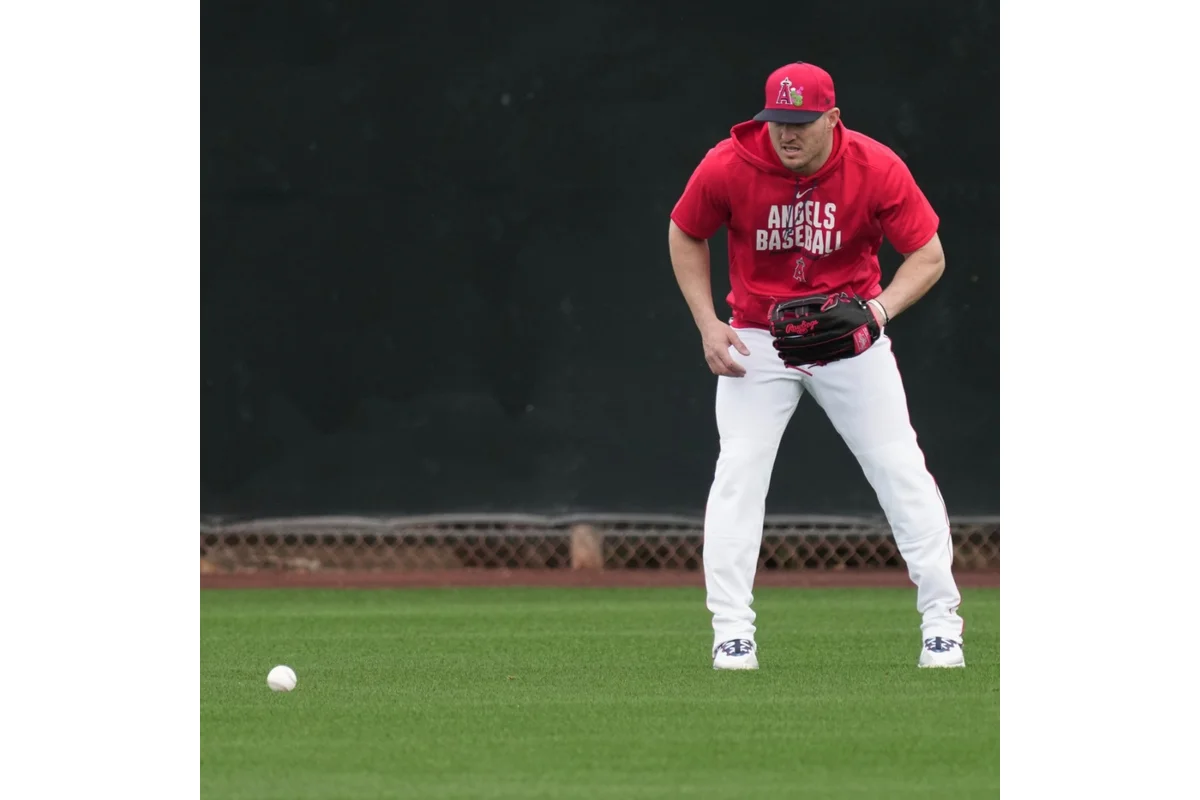
The Los Angeles Angels remain one of the few Major League Baseball teams yet to finalize their local television broadcast arrangements for the upcoming season. This situation stems from the expected shutdown of Main Street Sports Group, the owner of FanDuel Sports Networks, which currently holds broadcasting rights for nine MLB teams, including the Angels. With Main Street Sports Group winding down operations after the NBA and NHL seasons, these teams now face the urgent challenge of finding new local broadcast solutions.
Teams Look to League-Run Broadcasting as an Alternative
Several MLB clubs affected by the Main Street Sports Group’s exit have decided to join the league’s centralized media network. MLB now produces and distributes games through both traditional cable channels and streaming services, sharing revenue generated from subscriptions and advertising with the teams. This approach offers a more stable, league-supported alternative amid the changing broadcasting landscape.
Angels Consider Launching Their Own Regional Sports Network
In contrast, the Angels are exploring the possibility of launching their own regional sports network, a move designed to potentially increase revenue beyond what MLB’s direct-to-consumer platform can offer. However, this plan has yet to solidify, leaving cable and satellite broadcast options in limbo. As a result, Angels fans have been unable to watch spring training games, heightening frustration and uncertainty as the regular season approaches.

Broadcast Revenue Challenges Impacting Team Payroll
The shift in how consumers access sports content has delivered significant blows to teams like the Angels. Revenue from traditional local broadcasts, once a substantial income source, has declined sharply due to widespread cord-cutting and evolving viewer habits. While some organizations have adapted more successfully, the Angels have felt the financial strain, which has influenced their ability to maintain a high payroll and build a competitive roster.
Owner Arte Moreno Addresses Payroll Concerns Amid Broadcast Issues
Arte Moreno, owner of the Los Angeles Angels, linked the team’s payroll constraints directly to ongoing broadcasting problems. Speaking to Jeff Fletcher of the Orange County Register, Moreno acknowledged the need to resolve local TV rights quickly and to strengthen the team’s brand.
“We’ve got to get our TV thing worked out and we just have to improve our brand,”
Moreno said, mentioning the payroll is expected to approach $200 million this year.
“The question is do one or two players substantially change (the record)?”
he added, commenting on the limited impact of acquiring a few expensive players.
“If you go out and spend $15 or $20 million a year times three or times five, it doesn’t get it done.”
Moreno Deemphasizes Winning in Favor of Fan Experience
In the same interview, Moreno surprisingly downplayed the importance of winning as a primary driver for fan interest. He emphasized other factors that fans prioritize when attending games.
“The number one thing fans want is affordability,”
Moreno stated.
“They want affordability. They want safety, and they want a good experience when they come to the ballpark. Believe it or not, winning is not in their top five.”
Broadcast Model Challenges Continue Amid Fan Frustration
Despite Moreno’s focus on launching a local broadcast solution that could yield more revenue than MLB’s league-wide platform, the details remain uncertain. Moreno promised that Angels games will be on television this season, but admitted the process has been difficult.
“We’ll be on TV,”
Moreno confirmed.
“But put it this way, it hasn’t been easy,”
he added, assuring that fans will soon know where to watch Angels games.
Broadcast Revenue Trends Affecting MLB Teams Differently
The Angels are not alone in confronting lower TV revenue, a challenge affecting many MLB franchises as traditional local broadcasting revenues continue to decline. Some teams have managed this adjustment better, while others, like the cross-town Los Angeles Dodgers, benefit from longstanding, lucrative broadcast rights deals established during an era of higher cable revenues, giving them significant financial flexibility.
Fan Response to Payroll and Broadcasting Issues
Fans are increasingly skeptical of the explanation connecting low team payrolls to broadcast revenue struggles. They face rising costs to access games, whether through cable, satellite, or multiple streaming subscriptions, while the team’s spending remains constrained. Meanwhile, the owner’s recent remarks minimizing the importance of winning contribute to mounting frustration among a fan base eager for success on the field.
