
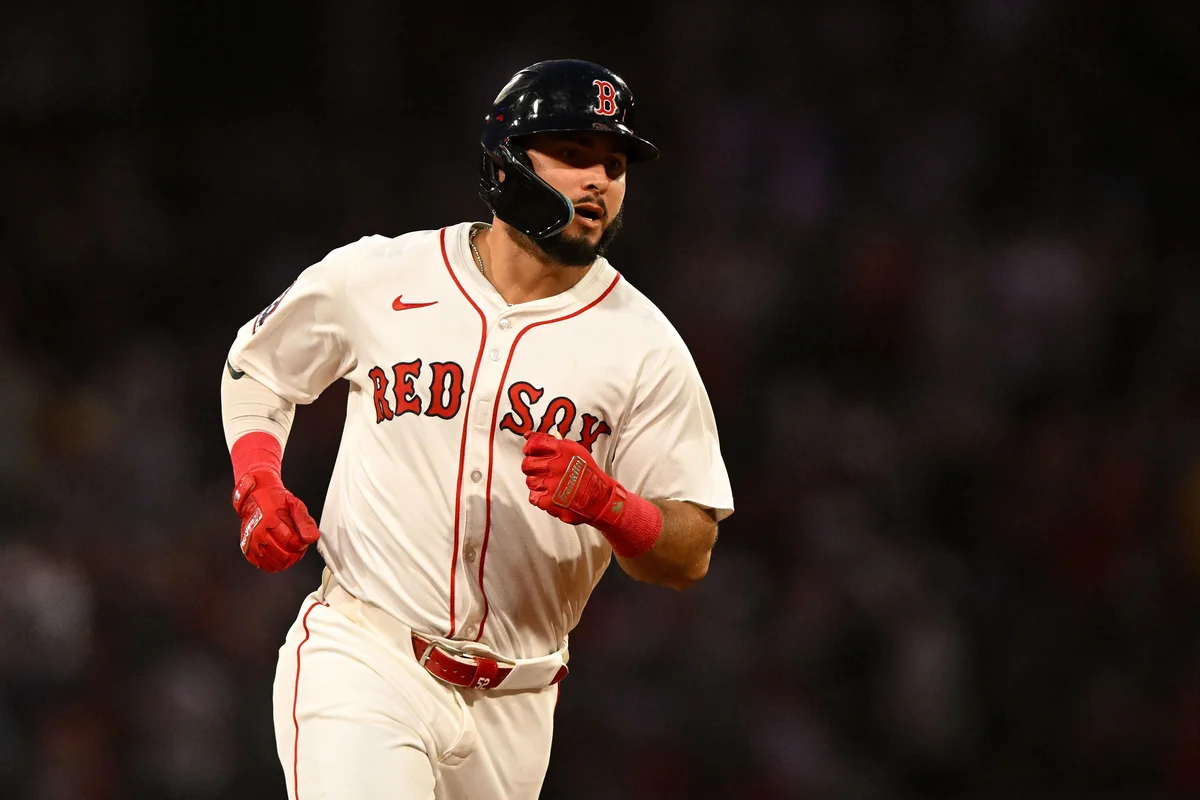
Beginning with the 2026 MLB season, players will have the option to contest strike-zone calls through the new Automated Ball-Strike (ABS) Challenge System, replacing sole reliance on human umpires’ judgments. During Spring Training, Boston Red Sox outfielder Wilyer Abreu showcased the practical impact of the ABS system in a game against the Baltimore Orioles on Sunday, drawing widespread attention.
In the third inning, Abreu faced Orioles starter Chris Bassitt with a full count. A sinker pitch that Abreu believed was outside the strike zone was initially called a strike by the plate umpire. Reacting quickly, Abreu removed his shin guard and issued a challenge on the call before proceeding towards first base.
Video replays confirmed the pitch was just off the plate, leading officials to overturn the call to a ball and granting Abreu first base. The moment caught the imagination of fans online, with clips spreading rapidly on social media, accumulating over 100,000 views on X within hours.
Pitchers’ Mixed Views on Using the ABS System
While Abreu embraced the ABS challenge eagerly, some pitchers remain cautious about employing the system routinely. Detroit Tigers ace Tarik Skubal shared that he prefers to delegate challenge decisions to his catcher unless the call is blatantly incorrect. MLB insider Buster Olney reported:
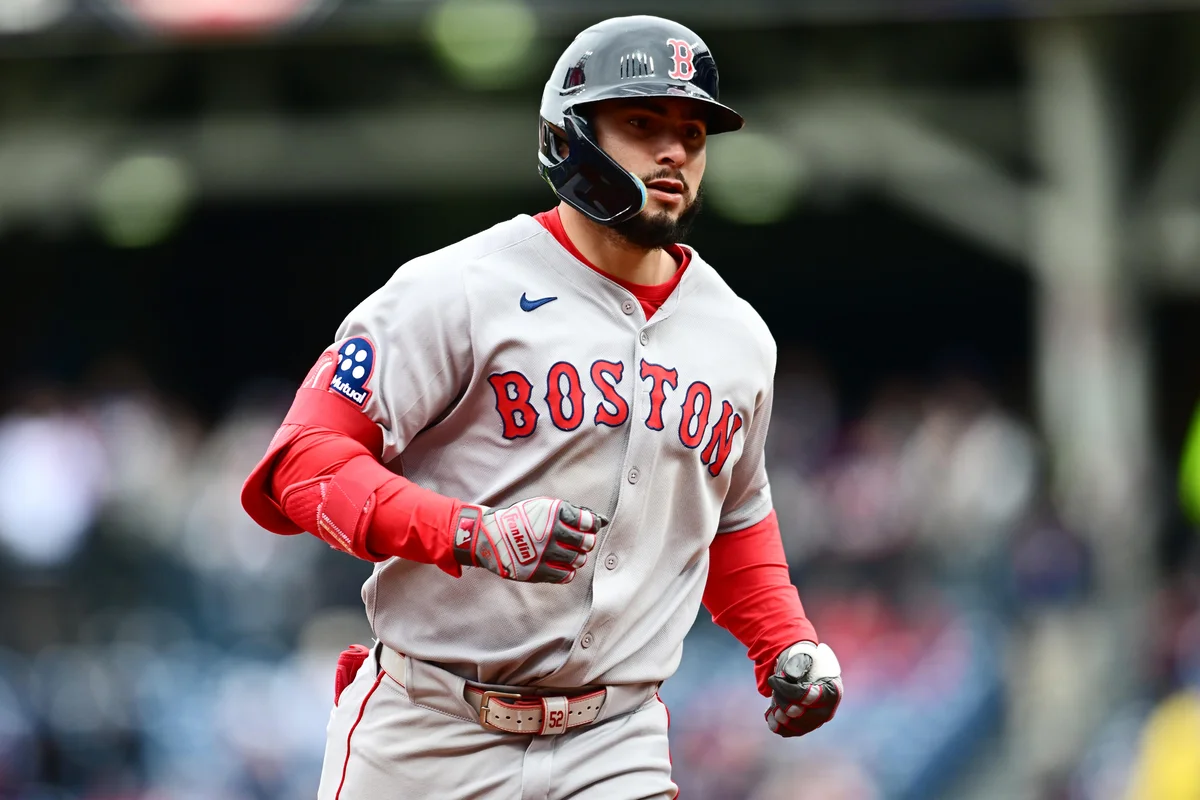
“Tarik Skubal says he probably won’t challenge calls with the ABS system this year unless it’s an egregious call, right down the middle. He’d rather just leave those decisions to his catchers.”
Skubal earned his second consecutive AL Cy Young award last season after impressing with a 2.21 ERA, a 13-6 record, and 241 strikeouts over 195⅓ innings. As he enters his seventh season with Detroit in 2026, his reserved approach reflects a trust in his catcher’s judgment more than personal impulses.
Chris Bassitt’s Perspective on Challenges During His Orioles Debut
On Sunday, Chris Bassitt made his inaugural start for the Baltimore Orioles, experiencing firsthand the effects of the ABS challenge when one of his called strikes was overturned. The veteran pitcher, entering his 12th MLB season, expressed reservations about pitchers using the challenge system due to pitch dynamics. Bassitt commented:
“From a personal level, I don’t believe that pitchers should ever challenge,” Bassitt said. “Just because we have too much movement.”
Last season, Bassitt posted a 3.96 ERA in 31 starts for the Toronto Blue Jays before signing a one-year, $18.5 million contract with Baltimore in February. His views reflect concern that the challenges may disrupt the flow or undermine the complexity of pitching.
Implications of the ABS Challenge on MLB’s Future
The introduction of the ABS Challenge presents a significant shift in how strike-zone disputes will be handled, potentially increasing fairness but also introducing new strategic decisions for players and teams. Wilyer Abreu’s viral moment represents the enthusiasm and adaptability some players have quickly adopted, while others like Skubal and Bassitt remain more cautious.
As the 2026 season unfolds, the reception and refined use of the ABS challenge will likely influence both game pace and competitive dynamics, highlighting the evolving relationship between technology and tradition in professional baseball.
https://twitter.com/tangotiger/status/2028196962261168590
Orioles’ Chris Bassitt on the ABS system:
“From a personal level, I don’t believe that pitchers should ever challenge. Just because we have too much movement.” pic.twitter.com/e0jpFMOpsn
— Matt Weyrich (@ByMattWeyrich) March 1, 2026
