
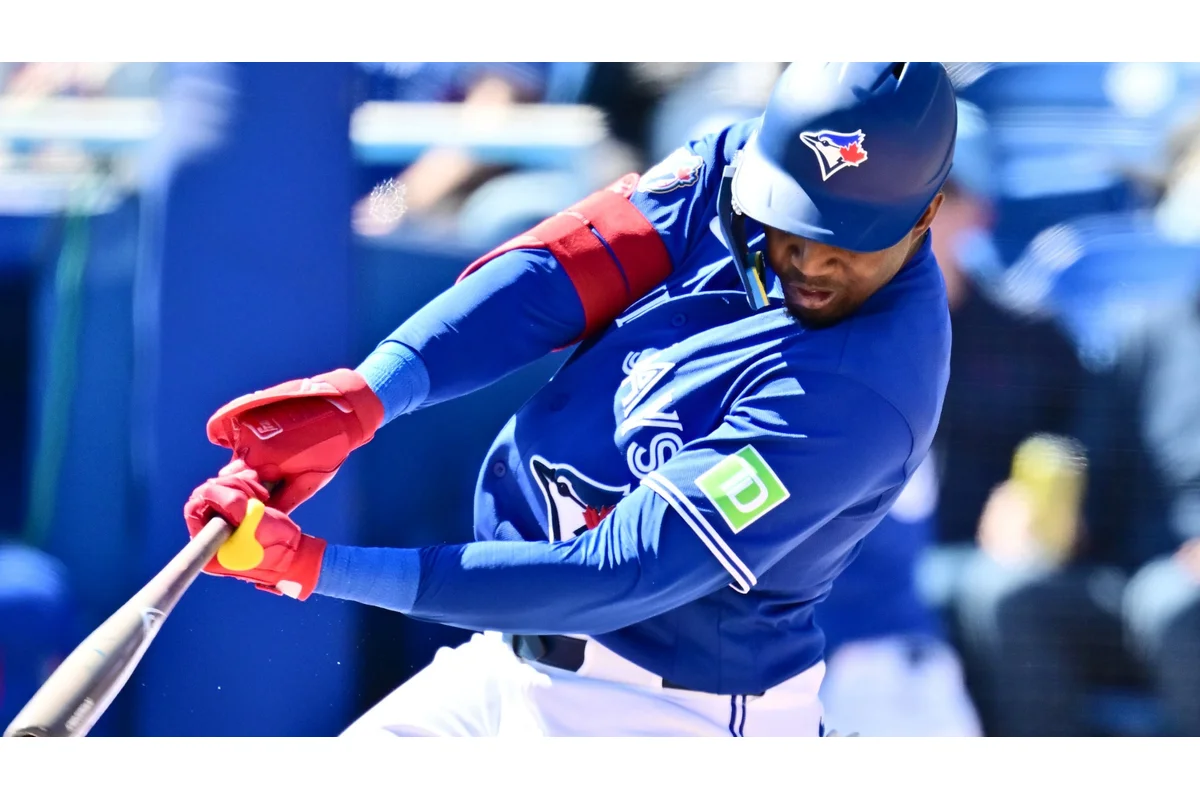
This spring, the Houston Astros acquired Jesús Sánchez from the Miami Marlins in a trade intended to address a specific weakness: the lack of left-handed power in their outfield. Sánchez entered the 2024 season with impressive metrics, boasting one of the highest hard-hit rates and average exit velocities in the league, signaling strong potential for the Astros’ lineup.
However, the experiment ended abruptly. Over 48 games with Houston, Sánchez struck out more than he recorded hits, and his OPS+ fell 31% below the league average. His exit velocity and contact quality declined, and he increasingly struggled at the plate. By February, the Astros traded Sánchez to the Toronto Blue Jays for Joey Loperfido, a move reflecting mounting doubts about Sánchez’s fit with the team.
Coaching Shifts Shed Light on the Player’s Decline
Toronto’s hitting coach, David Popkins, attributed Sánchez’s struggles at least partly to Houston’s coaching philosophy. Popkins criticized Houston’s approach for focusing excessively on preventing weaknesses rather than capitalizing on Sánchez’s individual strengths, highlighting a potential mismatch in player development strategies.
These comments gain context when viewed alongside Houston’s coaching changes after the 2025 season, when the Astros dismissed hitting coaches Alex Cintrón and Troy Snitker following a disappointing campaign that saw the team miss the playoffs for the first time since 2016. Manager Joe Espada openly questioned the team’s mentality and discipline at the plate in his year-end remarks.
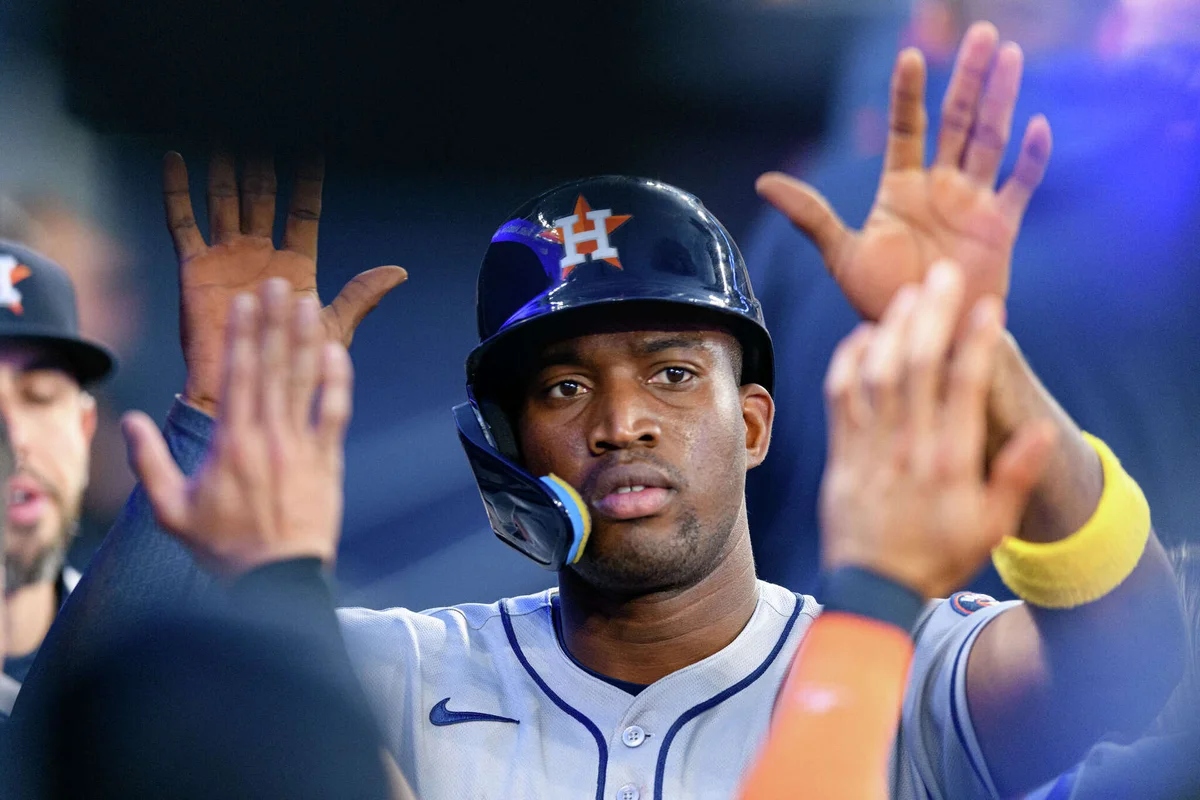
The Astros’ offensive decline, especially late in the season, complicated Sánchez’s difficulties. The organization was clearly undergoing a philosophical transition in how it managed players, with rapid in-season adjustments reflecting internal reassessment. Sánchez, it seems, became caught in the middle of this shifting dynamic.
Houston long prided itself on maximizing talent through player development. For nearly a decade, the Astros’ edge lay not only in scouting but also in refining skill sets. The failure of Sánchez to thrive underlines the fragility of that reputation. If the team hopes to fully leverage trade deadline acquisitions like Sánchez, it must have confidence in its underlying development infrastructure—an infrastructure which itself was in flux during Sánchez’s tenure.
Questions Loom Over the Astros’ Management Strategy
Following the end of Houston’s playoff ambitions, general manager Dana Brown faced significant scrutiny entering the summer. His decisions, including the Sánchez trade, Carlos Correa’s costly return, and other depth moves that had limited impact, raised concerns about the effectiveness of the front office’s bold maneuvers under pressure.
While Sánchez accepts full responsibility for his declining performance—admitting that his swing decisions deteriorated and the quality of his contact decreased—none of the coaching staff guided him to expand his strike zone or adjust his approach. This points to a broader issue beyond individual accountability.
Player development environments are especially critical for newcomers who require quick adaptation. The Astros are pinning hopes on the coaching overhaul slated for 2026, anticipating that new leadership will restore stability and revive the team’s historically conservative, hitter-focused philosophy that once drove their success.
The eventual outcome of this reset will significantly influence how Sánchez’s time in Houston is remembered. Success would cast his trade and struggles as isolated missteps, while failure might indicate a more systemic loss of the developmental advantage that once defined the Astros organization.
Ultimately, Sánchez’s brief stint with Houston did more than end with a trade; it revealed pressing challenges the Astros must now confront within their coaching and player development framework.
