
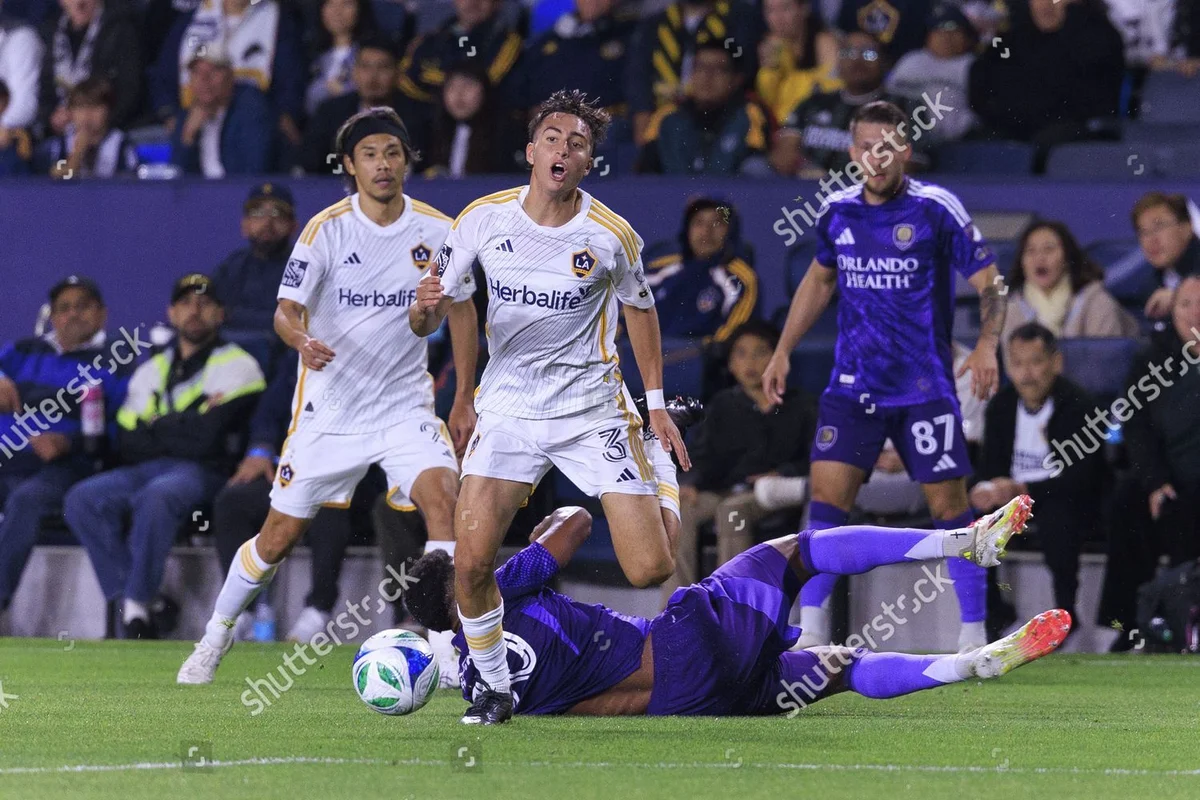
As Major League Soccer heads toward its 2026 season, Orlando City’s roster remains a subject of intense focus, combining fresh talent and experience in pursuit of a winning campaign. Recent updates around the Orlando City roster 2026 indicate ongoing attempts to strengthen key positions, especially on defense, with acquisitions still in progress ahead of the season opener in a few weeks. The mix of youth and new signings promises an evolving team dynamic set to compete at high levels in the upcoming season.
Recent Player Signings and Transfer Rumors
The Lions’ most recent official addition was 2026 MLS SuperDraft pick Nolan Miller, signed officially on a Wednesday before the season preparations intensify. Meanwhile, talks continue about bringing Brazilian central defender Iago into the fold, though a previous attempt to acquire Dušan Stojinović was halted due to a failed medical exam. Despite these uncertainties, these moves reflect Orlando City’s ongoing efforts to solidify their backline and overall squad depth.
Understanding MLS Roster Construction and Its Challenges
Major League Soccer’s roster regulations can seem complex, generally allowing teams up to 20 players on the senior roster with an additional supplemental roster of up to 11 players who are eligible to play. With many spots still open and the season start approaching, Orlando City is expected to fill most available places, possibly maxing out the full 30-player allowance. The club’s strategy balances between integrating promising newcomers and seasoned veterans to maintain competitive balance.
A Projected Look at the 2026 Orlando City Lineup
Though not finalized, a working projection for the 2026 Orlando City roster includes goalkeepers Maxime Crépeau and Javier Otero; defenders David Brekalo, Robin Jansson, Adrián Marín, Nolan Miller, Tahir Reid-Brown, and Zakaria Taifi; midfielders Eduard Atuesta, Wilder Cartagena, Joran Gerbet, Colin Guske, Braian Ojeda, and Luis Otávio; and attackers Iván Angulo, Gustavo Caraballo, Justin Ellis, Duncan McGuire, Martín Ojeda, Marco Pašalić, Harvey Sarajian, Tyrese Spicer, Tiago, and Yutaro Tsukada. Additionally, five roster spots are anticipated to be filled, including a Designated Player attacker and at least two defenders.
Balancing Young Talent with Experienced Players
The upcoming squad features many young players, such as Caraballo, Ellis, Guske, Miller, Otávio, Reid-Brown, Sarajian, and Tsukada, some of whom may see limited senior playtime. Coach Óscar Pareja typically favors experienced players in key moments but has shown openness toward young prospects when necessity and talent align. This blend could shape matchday squads and rotation approaches in a season likely marked by challenges and the need for squad depth.
Shifts in Average Player Age and Team Experience
Orlando City’s weighted average player age was 27.4 during last season, ranking them as the 10th oldest team in the league. With new signings and youth promoted, this average is projected to drop in 2026, favoring a younger roster that could rejuvenate the team’s style and intensity. However, the overall tenure with Orlando City remains brief for many squad members, hinting at a transitional phase for the club’s lineup.
Examining Player Tenure Within the Club
When reviewing player longevity based on years with the team—counting only active playing seasons—several of the currently projected 2026 squad members are in their first or second year. Veteran players such as Robin Jansson hold the longest tenure at eight years entering the MLS era for Orlando City, while others like Wilder Cartagena and Javier Otero have missed significant playing time due to injury but remain part of the club’s plans. This blend reflects a mix of fresh faces alongside some longer-serving contributors.
Historical Comparison of Player Stability and Team Development
Orlando City’s early MLS seasons were marked by entirely new rosters, with no player tenure extending beyond the inaugural years until more established times including 2019. The projected 2026 squad is expected to be one of the most youthful in terms of tenure, rivaling the player turnover last seen in 2020. Such frequent roster turnover aligns with trends across MLS and other professional sports, where shorter contracts and rapid changes shape team compositions annually.
Potential for Success Amidst Roster Change
Despite the high volume of newer players, historical examples show success is achievable. Defending champions Inter Miami, for example, won last season’s MLS title with a core lineup featuring 19 individuals in their first two seasons at the club. Orlando City’s own ambitions remain strong, suggesting that fresh talent and strategic veteran presence combined can create a winning formula despite relative inexperience within the squad.
Expectations for Player Usage and Season Impact
The 2026 season is expected to witness many players making their debuts or increased appearances, as new signings adjust and compete. While some younger players might see limited minutes this year under coach Pareja’s competitive philosophy, others could establish themselves and contribute significantly. The ongoing roster adjustments and future announcements will clarify depth chart roles and game strategies, fueling anticipation among the club’s passionate fanbase.
Looking Ahead: Team Goals and Community Engagement
As Orlando City continues signing new pieces, the central focus remains on achieving playoff success and fulfilling the club’s high standards. Whether a player’s tenure is measured in years or months, the key measure will be their ability to deliver points on the field and energize supporters at Inter Miami & Co. Stadium and Church Street. The team and its fans eagerly await further news from Director Ricardo Moreira, hopeful that each new athlete added brings the club closer to a triumphant season.
“Vamos Orlando!”
