
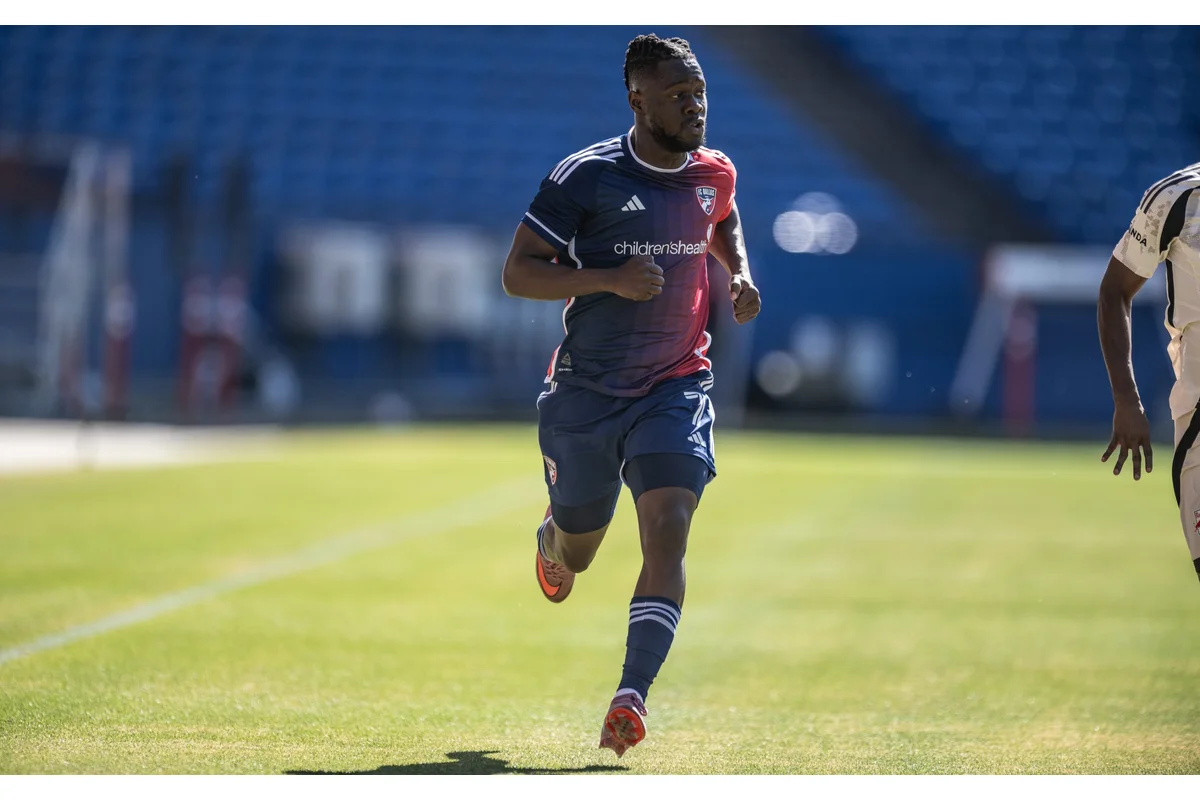
The Major League Soccer 2026 kit designs have sparked diverse opinions among experts regarding their boldness and effectiveness. MLS teams have shifted from previously cautious kit designs to more daring approaches that incorporate nostalgic elements and creative patterns, aligning strongly with fans’ growing interest in distinctive styles. As the 2026 season unveils a variety of innovative jerseys, including hoops and tie-dye effects, the FC Dallas 2026 kit emerges as a notable example within this evolving landscape.
Top Contenders for Most Impressive Kits This Season
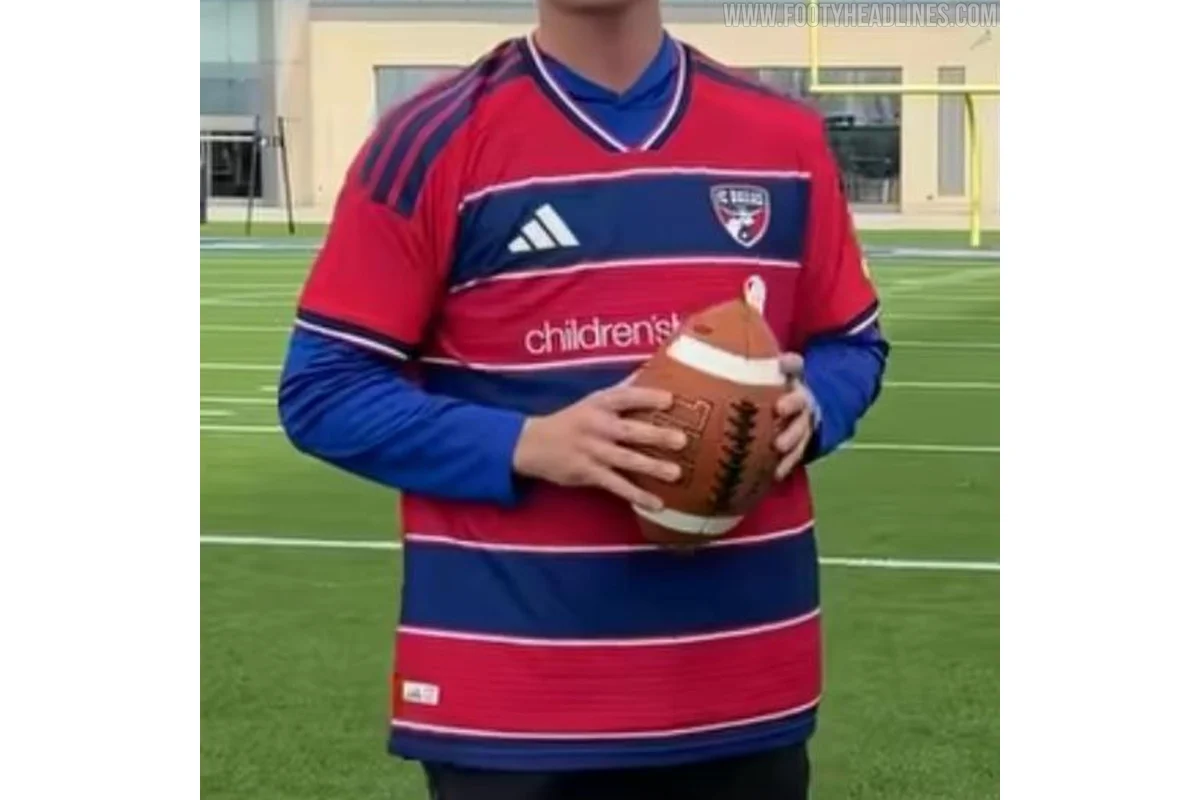
Experts agree that LAFC has elevated its signature black and gold look by integrating a compelling art deco pattern, adding fresh appeal to an already stylish design. Ryan Tolmich highlights FC Dallas as a standout due to the team’s use of hoops, praising its versatility for both on-field performance and everyday wear. Real Salt Lake also receives recognition, but Dallas’s kit edges ahead for its slightly superior design and wearability. Alex Labidou notes several impressive kits, including those from Philadelphia, St. Louis, and New York Red Bulls, but acknowledges FC Dallas’s classic style as “classic fire.” However, Labidou ultimately gives Philadelphia’s union kit top honors for expertly weaving local history, culture, and sports identity into its bold design.
Least Successful Designs Among the 2026 Jerseys
The critiques point most sharply at Nashville’s kit, where the Adidas logo’s prominence overshadows the club badge, leaving some viewers finding the balance off-putting and somewhat tacky. San Diego‘s kits, while functional on the pitch, are commonly viewed as lacking streetwear appeal, making them less versatile in broader fashion contexts. Colorado’s design also falls short compared to previous years when the team frequently delivered standout kits such as the “New Day” and “Headwaters” editions. The neon-accented black kit for Colorado has been criticized for being visually harsh in digital images. San Diego is noted for its inconsistency in kit quality since debuting, with this year’s designs described as lacking the vibrant spirit associated with the city’s beaches and sunshine. Observers urge Adidas to provide more vibrant options for San Diego’s “The Azules” in upcoming seasons.
Which Kits Resonate Most with Urban and Casual Fans?
While Miami’s kit, fueled by Lionel Messi’s staggering popularity, is expected to dominate sales, the St. Louis City SC jersey stands out as a culturally rich option favored by urban style enthusiasts. Tom Hindle points out that the St. Louis kit carries unique storytelling elements, particularly the Tina Turner-themed design that connects to local lore. Though Miami’s offerings will sell en masse largely due to Messi’s presence—their simple black design appealing widely—the St. Louis jersey gains accolades for its narrative and fashion-forward appeal. Alex Labidou praises St. Louis for blending culture and sport, comparing the Tina Turner kit’s significance to notable NBA collaborations like Minnesota’s tribute to Prince or Brooklyn Nets’ Biggie Smalls edition. This kit educates fans by linking rock royalty to the city, a connection not widely recognized, reflecting a sophisticated cultural statement by the club.
Reflecting on the Most Memorable MLS Kit Years
When looking back, experts acknowledge the earliest MLS kits as iconic, with special praise for designs from 2005. That year featured a striking Chicago Fire uniform and what some consider the best LA Galaxy jersey ever produced. Ryan Tolmich appreciates the 1990s kits for their originality, vibrancy, and less commercialized feel, recalling the era as unrestrained and authentically exciting—qualities that some argue set a high bar for the league’s aesthetic. Alex Labidou views the current landscape more critically, finding it difficult to crown 2026 as a peak year due to many teams either playing it safe or missing the mark with brand misalignments. Instead, Labidou favors 1996 and 2023 as better overall seasons for kit design. Although 1996 featured some unattractive designs, the willingness to experiment was evident. Meanwhile, 2023 offered a consistently high standard, reflecting a more mature approach to kit creation.
Assessing the Overall Evolution of MLS Kit Quality
Consensus suggests that MLS kits are improving, largely driven by a resurgence of nostalgia that resonates well with fans and boosts sales. Tom Hindle credits the effective use of ’90s homage as a strong influence, noting Adidas’ pivotal role in shaping some of the best-looking kits in recent seasons. Ryan Tolmich observes a mixed bag, recognizing efforts to honor local communities but questioning the effectiveness of the heavy reliance on music legends and similar themes. He advocates for more varied visual references, such as landmarks and distinctive iconography, and encourages teams to embrace riskier designs even if some fail to connect. Alex Labidou suggests MLS broaden its design approach by involving more boutique designers alongside Adidas. This could inject fresh creativity year to year, especially given the challenge of crafting original kits for over 30 teams using a single brand’s vision. Such a strategy may yield more exciting and diverse alternate kits, reinvigorating fan engagement and market appeal.
FC Dallas 2026 Kit’s Position in the MLS Design Landscape
Among the 2026 MLS kits, FC Dallas has earned commendations for balancing tradition and modern style. Ryan Tolmich’s appreciation for hoops integrates with FC Dallas’s ability to produce a kit that functions well for both athletic use and casual wear, meeting a core objective of major league apparel. The kit’s reception demonstrates that FC Dallas can blend nostalgic styling with current fashion trends to remain relevant within the evolving league aesthetic. Its classification as “classic fire” underlines a successful combination of respect for the sport’s heritage with contemporary design elements that appeal beyond the pitch.
As MLS apparel continues to shift toward more expressive and culturally rooted designs, the FC Dallas 2026 kit exemplifies the potential to honor legacy while innovating. This balance is crucial for sustaining fan excitement and attracting attention in an increasingly design-conscious sports apparel market.
Looking Ahead: The Future of MLS Kit Designs
The heightened interest in MLS kits as fashion statements beyond mere athletic wear suggests that upcoming seasons will likely feature even more daring and conceptually driven designs. Teams that take creative risks could set new trends, much as St. Louis City SC did with its culturally inspired jersey. The increasing involvement of multiple designers, as suggested by analysts, may foster a broader range of styles and stories, enhancing the league’s visual identity.
For FC Dallas, maintaining its blend of classic and contemporary elements will be critical to competing in this vibrant design environment. As MLS teams explore fresh motifs tied to community and creativity, the 2026 kit collective represents a defining moment—one where tradition and innovation meet on and off the field, signaling an exciting future for football fans and fashion aficionados alike.
