
Matchday 2 in Major League Soccer showcased a dramatic turnaround for Inter Miami, highlighted by Lionel Messi’s pivotal performance, and continued positive momentum for the New York Red Bulls. Meanwhile, concerns are mounting about Atlanta United’s inability to capitalize on its offensive potential. As the season progresses, these developments underscore the varying fortunes and challenges teams face across the league.
Messi’s Impact Powers Inter Miami’s Revival
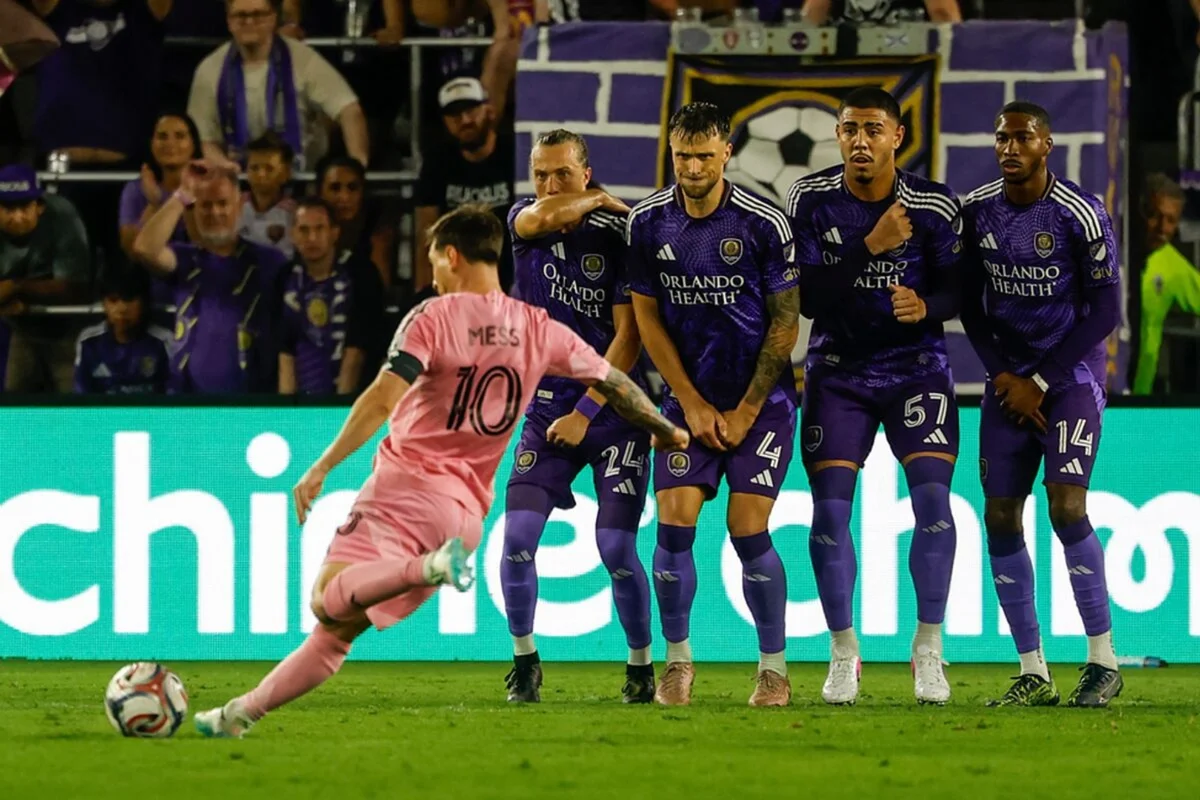
Inter Miami struggled significantly during the first half of their Sunday match against Orlando City, with their midfield leaving gaping holes that Orlando’s attack exploited effectively. Despite the efforts of Yannick Bright, known for his defensive positioning, Miami found themselves two goals behind within the opening 30 minutes, fortunate not to be further behind. Lionel Messi, while present, was initially quiet and not commanding play as usual.
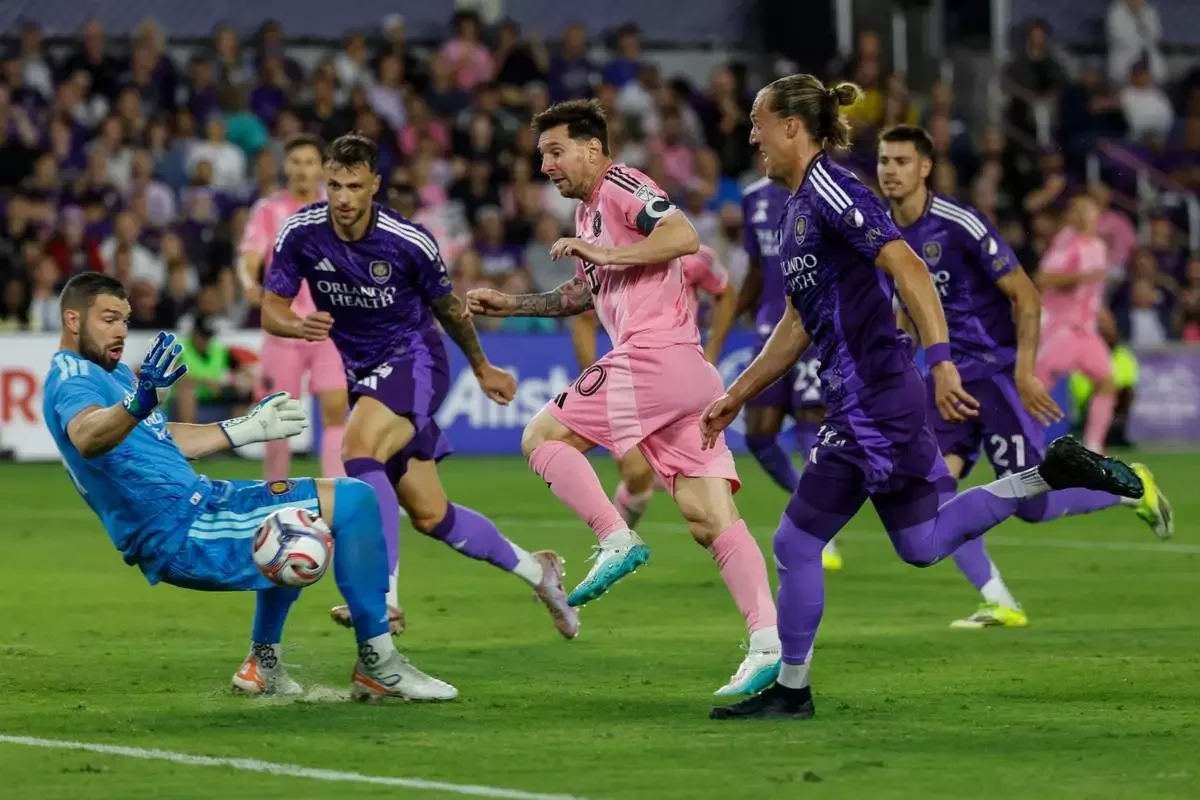
However, Messi’s influence surged in the second half when he began dropping deeper to engage more actively in possession. His precision was evident as he netted Miami’s first goal with a stunning strike from outside the box, his trademark accuracy placing the ball in the upper corner. Later, in stoppage time, Messi sealed the victory by curling in a fourth goal, effectively ending the contest. Though Orlando City showed signs of fatigue, Messi’s resurgence exemplified his ability to change a game’s trajectory single-handedly, solidifying his role as an indispensable figure for Miami.
Martino Faces Uphill Battle in Atlanta’s Offense
Before assuming control of Atlanta United, manager Tata Martino emphasized the importance of patience, acknowledging the difficulties inherent in a second tenure with the club. Atlanta’s 2025 campaign had been disappointing, and the Argentine coach set modest initial aims, targeting merely a playoff berth. This baseline, however, seems insufficient for a team that has invested heavily, ranking third in MLS spending over the past year and a half.
The squad faces clear vulnerabilities, particularly a lack of defensive balance, leading to an expectation that the team will concede goals. Yet, where Atlanta was anticipated to excel was in its attack, boasting a roster equipped with diverse and high-caliber offensive talent — the foundation of the “Five Stripes.” Despite this, after two matches, the team has failed to score any goals, with a strikingly low offensive output exemplified in their latest game, where they managed only one shot on goal. This disappointing start signals ongoing challenges for Martino as he attempts to mold a functional and threatening front line.
New York Red Bulls’ Youth Movement Shines Bright
Michael Bradley’s leadership of the New York Red Bulls has increasingly leaned on the club’s rich youth academy resources, a strategy that began to bear fruit last season with their success in MLS Next Pro. The trust placed in academy products has translated well this year, with teenagers making substantial contributions early in the season.
Among these, 17-year-old Julian Hall has stood out as a versatile forward who has impressed beyond expectations. Starting two matches, Hall has already scored three goals, including a decisive strike against New England, defying typical MLS norms where such young players rarely command starting roles in attack. Bradley’s confidence in youth and unwillingness to adhere strictly to convention have invigorated the squad, demonstrating that emerging talent can compete and excel at the highest league level. This trend reinforces the Red Bulls’ ambition and offers promising long-term prospects.
Portland Timbers Struggle to Find Stability Under Neville
The Portland Timbers have experienced an uneven start to their season. Historically a competitive MLS franchise with a passionate fan base, the team endured a challenging 2025 campaign, losing key players such as Evander and David Ayala, which has left noticeable gaps, particularly in midfield. Cole Bassett, while solid, has not fully compensated for these losses.
While the Timbers managed an encouraging 3-2 victory over a rebuilding Columbus Crew in their opener, recent matches have revealed ongoing difficulties. Facing Colorado, a team under ambitious new coach Matt Wells, Portland suffered a comprehensive defeat on the road and finished the game with only 10 men. This inconsistency underscores Portland’s position as a borderline playoff contender, expected to win and lose about equally. To challenge for a postseason spot, Portland will need to secure points in matches against teams of similar standing.
San Jose Earthquakes Get Encouraging Debut From Timo Werner
German striker Timo Werner made a promising impact in his first MLS outing with San Jose Earthquakes, demonstrating not only his goal-scoring knack but also his ability to create opportunities for teammates. Known for his pace and finishing on the left side, Werner surprised by taking up a position on the right flank, stretching the opposition defense and providing a key assist during a match already controlled by San Jose.
Despite lacking regular minutes in recent years, Werner adapted well to his role, repeatedly beating defenders and generating offensive chances. His assist for the decisive second goal effectively clinched the match. While further adaptation and sharpness are expected as the season continues, Werner’s performance offers hope that he can become a major asset to San Jose’s attack.
Columbus Crew Navigates Difficult Transition under New Coach
The Columbus Crew have encountered problems adapting to new leadership under Henrik Rydström. The departure of Wilfried Nancy, under whom the club achieved notable successes, along with his key assistant, has left a void in a historically strong franchise.
The Crew’s season began with a narrow 3-2 loss at Portland, a challenging venue known for its home strength. However, the subsequent away draw against Sporting Kansas City represented a deeper concern, as Sporting KC is generally considered one of the weaker teams in the league. Despite not being dominated outright, Columbus failed to seize critical moments, including a missed penalty by striker Wessam Abou Ali that could have secured a win. Diego Rossi’s late goal salvaged a single point, but the Crew’s performance highlighted their struggle to keep pace in the highly competitive Eastern Conference.
Gregg Berhalter’s Chicago Fire Show Signs of Improvement
Under Gregg Berhalter, the Chicago Fire have undergone a transformation marked by both attacking flair and defensive inconsistencies. In the previous season, this often resulted in high-scoring games that were thrilling yet unpredictable, reflecting a club still finding a cohesive identity despite significant investment.
This season, expectations have risen with the team gaining cohesion and experience. After a narrow 2-1 defeat to a stronger Houston Dynamo side, the Fire bounced back impressively with a 3-0 victory over Montreal, even while playing with ten players for 30 minutes. This performance against a weaker opponent underlines the importance of capitalizing on matches where dropping points would be detrimental to their playoff aspirations. Berhalter’s side appears more organized and disciplined, positioning themselves as serious contenders in the coming months.
