
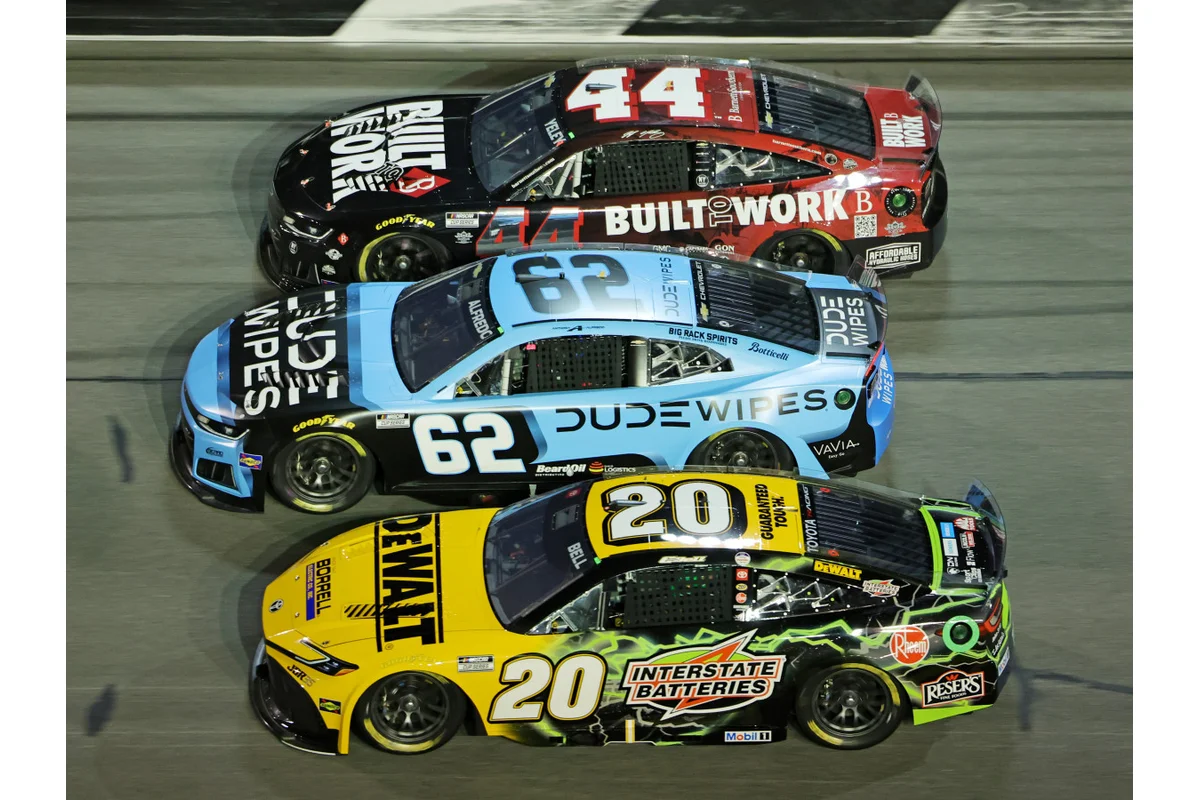
DAYTONA BEACH, Fla. — What if, during the Brickyard 400 in July, the main buzz wasn’t just which driver might celebrate by kissing the bricks, but which star driver could be traded away from their current team? NASCAR, unlike traditional stick-and-ball sports, does not currently feature a trade deadline, but what if it did? Introducing a trade deadline could allow drivers to move between teams midseason, creating new storylines and stirring fan excitement around driver transactions instead of just on-track results.
While trades are common in baseball, football, basketball, and hockey, NASCAR’s current setup makes such moves complicated. Mixing seasoned drivers for prospects or swapping veterans for fresh starts could add a new layer of competition and entertainment, but NASCAR’s unique structure presents significant challenges to establishing a formal trade period.
Structural Challenges Behind NASCAR Trades
NASCAR has only 15 teams with full-time entries in the Cup series, with Hendrick Motorsports and Joe Gibbs Racing being the only organizations authorized to field four cars. Teams without the four-car allowance are limited to three full-time vehicles, shrinking the pool of potential trades. While trades aren’t entirely unknown—as seen in September 2024, when Spire Motorsports sent Corey LaJoie to Rick Ware Racing in exchange for Justin Haley—these swaps are rare and often come with unique circumstances. Haley had already signed with Spire for the following season, so the agreement primarily accelerated his move rather than resembled a conventional trade.
Driver trades aren’t prohibited by NASCAR rules, and in many ways might be easier on drivers than trades in leagues like the NFL or NBA, since many drivers live near their teams in North Carolina and don’t face drastic relocations or schedule disruptions. However, multiple factors complicate trades in NASCAR, such as sponsor contracts that tie teams to specific driver agreements and make financial negotiations tricky. Major sponsors may only want their brands associated with top-tier teams, creating resistance if a driver moves to a less competitive outfit.
Furthermore, manufacturer allegiances add more complexity. Teams aligned with Chevrolet, Toyota, or other brands maintain exclusive relationships, and swapping drivers between teams affiliated with different manufacturers could cause conflicts. The number of stakeholders involved in trading a driver exceeds a simple GM-to-GM negotiation common in other sports.
Perspectives from NASCAR Champions on Trades and Free Agency
Despite the potential entertainment value, many drivers remain skeptical about the feasibility of a trade deadline becoming a regular feature in NASCAR. Seven-time champion Jimmie Johnson described the concept as “probably a stretch,” noting that the sport would need more standardized regulations, such as a soft salary cap and a cost cap, before trades could realistically take hold.
“I think it’s probably a stretch,”
Jimmie Johnson said.
“There’s a lot of layers to go. We have a soft cap now in my opinion, with a standardized car. There have been discussions around a cost cap. If more of those things happen over time, I guess we get closer to do it.”
Similarly, three-time Daytona 500 winner Denny Hamlin proposed an alternative idea to spice up driver movement within NASCAR: a free agency portal similar to college sports. This portal would allow drivers to declare their intention to leave current teams and negotiate new contracts during the offseason, sparking fresh engagement and rivalry for driver services.
“If you want content, driver free agency would definitely cause it,”
Hamlin said.
He added,
“It’d be quite interesting if everyone just went into free agency every single year,”
but he acknowledged the financial reality,
“My guess is, I don’t know that anyone would compete with Hendrick or Penske on what they could pay.”
For now, the idea of a free agency system or trade deadline remains an engaging topic rather than a likely policy change.
The Reality and Future of Trades in NASCAR
Practical obstacles mean driver trades and true free agency are currently unlikely in NASCAR. The sport’s unique business model, involving sponsors, manufacturers, and limited team expansions, restricts fluid player movement. However, fans and industry insiders entertain the possibility of blockbuster swaps, such as trading Bubba Wallace for Ross Chastain or Chase Elliott for future developmental prospects, as a way to create midseason drama.
Brad Keselowski, the 2012 NASCAR champion, acknowledged the appeal but underscored the structural difficulties, explaining that the independent contractor framework of NASCAR drivers makes trades challenging.
“You can’t pull that off with the current league structure because we’re all independent contractors,”
Keselowski said.
But, that would be something compelling.
With trades being rare and free agency a distant possibility, some voices suggest other solutions such as a draft system to invigorate the sport’s dynamics.
“I do like the draft,” Keselowski said with a laugh.
Whether NASCAR will evolve to include a trade deadline or free agency remains uncertain, but ongoing discussions highlight a willingness to explore mechanisms that could reshape the sport’s competitive landscape and fan engagement for seasons to come.
