
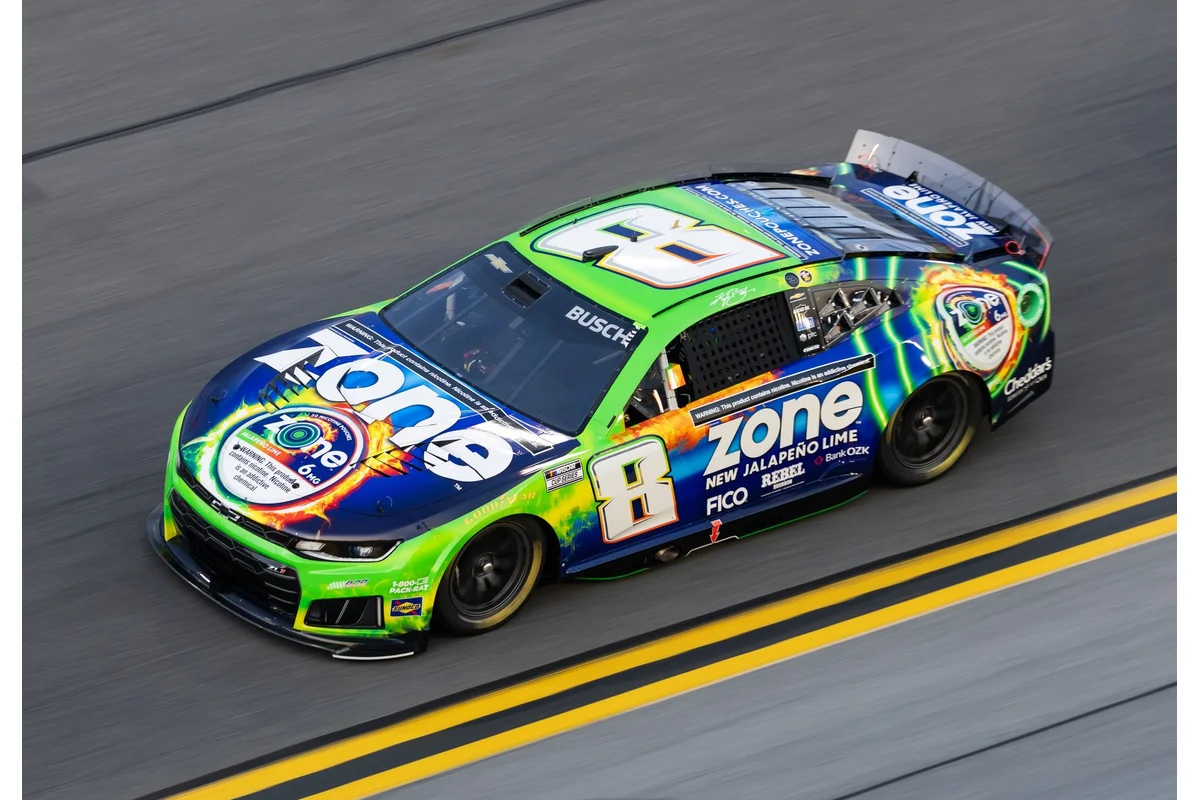
Kyle Busch, driving for Richard Childress Racing, shared insights into why races at Atlanta Motor Speedway have become increasingly chaotic. As NASCAR’s Cup Series heads to Atlanta for its second race of the 2026 season following the Daytona 500, Busch highlighted how recent changes to the track have intensified racing conditions, affecting driver strategies and race outcomes.
Why Atlanta Motor Speedway Has Turned Into a Host of Unpredictability
Atlanta Motor Speedway, one of Busch’s preferred venues with multiple wins across NASCAR’s national series, has undergone significant reconfiguration. The changes created a faster, mini-superspeedway-style track that amplifies speed and competitiveness but also leads to more frequent contact and crashes. According to Busch, this new setup contributes to the track’s heightened unpredictability, making it one of the most difficult stops on the NASCAR schedule.
“Atlanta has gotten pretty chaotic, anything can happen. Any moment, we’re pushing each other, bumping each other, and more times than not we’re crashing down the straightaways. It’s a tricky little racetrack because it’s a mile-and-a-half. So, the superspeedway aspect of it, at a mile-and-a-half, the speed sensation is so much higher. So, it’s really a fun place to race, but yet a big challenge on the drivers.” Kyle Busch said (via Speedwaymedia.com).
Drivers face intense pressure throughout the race as they navigate these new conditions, which demand constant vigilance and rapid reactions to avoid wrecks. The track’s balance between speed and tight competition drives a style of racing where contact is nearly unavoidable, escalating the chaos further.
Kyle Busch on Managing Aggression Amid High Stakes on the Track
The two-time Cup Series champion emphasized that despite the risks, aggression is essential at Atlanta to position oneself competitively. However, Busch explained that managing this aggression, particularly early in the race, is critical to surviving the event without being caught in large crashes that can eliminate numerous drivers.
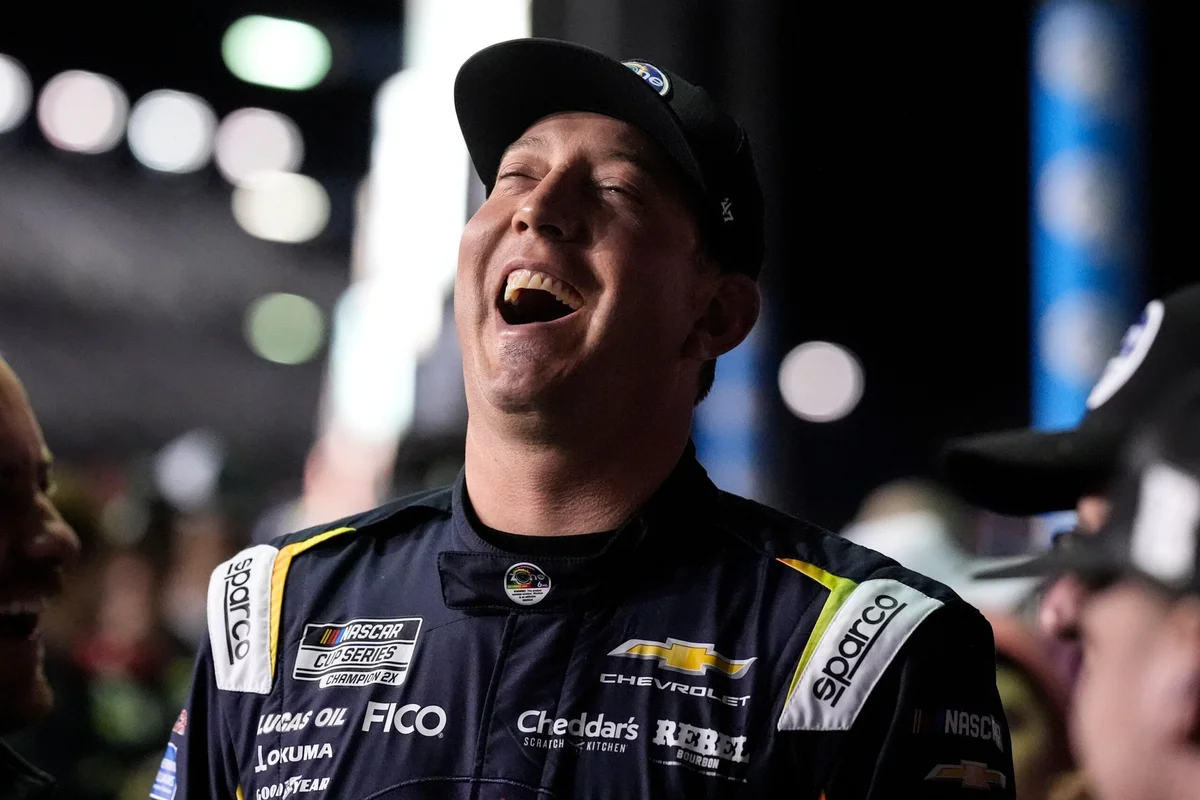
“Yeah, you want to be aggressive at Atlanta because you want to get up towards the front. You want to make those moves to get yourself in position and everybody else is also trying to do that, so you got 30-40 drivers vying for that number one position it gets a little bit hectic, but you know you gotta wait. It’s a long race, you can’t be wrecking and piling up 30 something cars in turn three in the first stage it just makes zero sense, so trying to find a way to make it through the wrecks and not get caught up in one.” Kyle Busch added.
This delicate balance between calculated aggression and patience can determine who thrives amid the track’s ever-present threats of collisions. Drivers must continuously assess when to push hard for position and when to conserve their cars, knowing the race’s length demands endurance as much as speed.
How Changes to EchoPark Speedway Affect Race Tactics
Busch further discussed the transformation at EchoPark Speedway (Atlanta Motor Speedway’s commercial name), where new asphalt has significantly altered racing dynamics. Gone are the days of aging surfaces that emphasized tire management and fuel strategy; now, the track resembles a speedway race where driver positioning and “chess matches” play a greater role in deciding the outcome.
“EchoPark Speedway is an entirely different track than what it used to be. No more old age asphalt and running and strategy to have the best tires at the end. It’s a speedway race. It’s all everybody on top of one another and there’s a lot of chess matches going on.” Kyle Busch said.
These changes require drivers and teams to rethink their approach, focusing more on in-race tactics than tire conservation. The concentrated field and rapid position changes call for careful lane selection and timing moves precisely at critical moments, especially near the race’s conclusion.
The Challenge of Choosing the Right Position in the Final Laps
One of the toughest aspects of Atlanta’s races, Busch noted, is deciding where to position oneself on the track in the last laps. Whether leading or running second can depend on the dynamics in play, including how cars behind apply pressure and momentum, making strategic lane choice crucial for securing a win.
“So, trying to figure out the best lane to be in, where you want to be on that last lap, do you want to be leading, do you want to be second, it just kind of depends on the situations and the runs and the energy that is happening behind you from the other cars to push you forward.” Kyle Busch added.
This layered tactical approach adds another degree of complexity, with drivers needing to anticipate not just their own moves but also the intentions and energy of competitors closely packed behind them. Such situational awareness often determines the race winner more than pure speed alone.
Significance of Strategy Over Luck in Atlanta’s Races
Busch’s commentary highlights the increasing importance of strategy in an environment defined by speed, close racing, and frequent incidents. Success at Atlanta Motor Speedway now relies heavily on balancing aggression with caution, adapting to the new track conditions, and choosing the right moments to make decisive moves.
With the Richard Childress Racing No. 8 team coming off a strong season start, expectations are high for Busch at Atlanta. The evolving nature of the track and its demanding style of racing promise another intense and unpredictable event, where skill, patience, and calculated aggressiveness will be vital for emerging victorious.
