Richard Childress Racing Overview
Richard Childress Racing (RCR) is an American professional stock car racing team that competes in the NASCAR Cup Series and the NASCAR O’Reilly Auto Parts Series. Founded in 1969 and based in Welcome, North Carolina, the organization is owned primarily by Richard Childress with 40 percent ownership held by Chartwell Investments. The team manufactures Chevrolet Camaro ZL1 vehicles for Cup Series competition and maintains a robust presence across multiple NASCAR national series. Richard Childress Racing is widely recognized for its historic association with the No. 3 car and has established itself as one of the most successful teams in American motorsports history. The organization has won 15 championships across various NASCAR series and continues to operate as a major force in stock car racing through its technical alliances and driver development programs.
Founding and Organizational Origins
Richard Childress established his racing team in 1969, initially competing in regional stock car events before steadily building toward major series competition. The organization began from humble beginnings in North Carolina, the epicenter of American stock car racing, and focused on establishing reliable equipment and cultivating talented drivers. Childress operated the team as both an owner and crew chief, developing hands-on expertise that would define the organization’s operational philosophy for decades. The early years were marked by gradual growth, with RCR competing in ARCA Racing Series events and smaller NASCAR events to gain experience and establish a competitive reputation.
Throughout the 1970s and early 1980s, Richard Childress Racing expanded its operations, investing in better equipment, facilities, and personnel. The team began attracting attention for its engineering capabilities and its ability to develop competitive race cars on limited resources compared to larger organizations. This period established the foundation for the team’s future success, as RCR built the operational infrastructure and technical expertise that would later yield multiple championships. The organization’s commitment to thorough preparation and strategic racing became defining characteristics that separated it from competitors.
Growth Into NASCAR Cup Series Competition
Richard Childress Racing made its full-time entry into NASCAR Cup Series competition during the 1980s, a period when the sport was experiencing rapid growth in national popularity. The team secured partnerships with General Motors and began fielding Chevrolet vehicles with increasing competitiveness. In 1986, RCR achieved a major milestone when driver Dale Earnhardt captured the first of six consecutive NASCAR Cup Series championships for the organization, dominating the sport throughout the late 1980s and early 1990s. This championship run established RCR as a premier Cup Series team and cemented a legendary partnership between Childress and Earnhardt that would define both the team and an era of NASCAR competition.
The team continued expanding its competitive portfolio during the 1990s and 2000s, entering additional NASCAR national series to create a comprehensive racing organization. RCR established driver development programs that would produce future Cup Series champions and regular competitors. The organization also founded ECR Engines, which became a major supplier of Chevrolet powerplants to multiple NASCAR teams and expanded into sports car racing with Cadillac DPi-V.R engines for IMSA competition. This diversification strengthened RCR’s technical capabilities and provided additional revenue streams while maintaining its Cup Series presence.
Richard Childress Racing Competitive Journey
Richard Childress Racing has built a legacy spanning more than five decades of continuous NASCAR competition, accumulating 2,816 total races entered across multiple series with 264 victories and 199 pole positions. The organization’s competitive journey reflects both periods of championship dominance and phases of rebuilding and retooling as the sport evolved. From the Earnhardt era through the Kevin Harvick years and into the current Austin Dillon-led program, RCR has maintained its status as a consistent championship contender while adapting to changes in technology, competition, and the business landscape of professional motorsports.
Early Seasons and Development (1969–1985)
The inaugural competitive years of Richard Childress Racing were characterized by learning experiences and gradual improvement in equipment and operations. The team competed primarily in regional NASCAR events and ARCA Racing Series races, building its reputation through consistent performances and reliable equipment. RCR’s early drivers helped establish the organization’s identity as a team that prioritized preparation and smart racing over reckless aggression. During this period, Richard Childress developed the hands-on leadership style that would characterize the organization for decades to come.
The breakthrough came when RCR secured a partnership with driver Dale Earnhardt and manufacturer Chevrolet, creating a combination that would dominate NASCAR competition for years. The 1986 season marked RCR’s emergence as a championship-caliber organization when Earnhardt claimed the first of six Cup Series titles. This initial success attracted better sponsorship opportunities, improved technical resources, and top-tier driving talent, creating a virtuous cycle that strengthened RCR’s competitive position with each passing season.
Championship Dynasty (1986–1994)
The period from 1986 to 1994 represented the most dominant era in Richard Childress Racing history, with the team capturing six NASCAR Cup Series championships and establishing itself as the standard-bearer of Chevrolet racing technology. Dale Earnhardt drove the iconic No. 3 Goodwrench Chevrolet to championships in 1986, 1987, 1990, 1991, 1993, and 1994, creating a dynasty that few teams in motorsports history have matched. The partnership between Childress and Earnhardt became legendary, combining Childress’s technical expertise and team management with Earnhardt’s aggressive driving style and competitive intensity.
Beyond the championship totals, this era established RCR’s reputation for engineering excellence and strategic race execution. The team developed innovative approaches to vehicle setup and race strategy that competitors sought to emulate. RCR’s success also extended to major races, with the organization building toward its first Daytona 500 victory. The championship run demonstrated that RCR could sustain excellence over multiple seasons, a hallmark of truly elite racing organizations that would continue influencing the team’s culture and operations long after this period ended.
Transition and Kevin Harvick Era (1995–2013)
Following Dale Earnhardt’s departure and subsequent tragic passing in 2001, Richard Childress Racing entered a transition period while continuing to compete at a high level. The team developed emerging talent and rebuilt its driver lineup around Kevin Harvick, who would become the next great champion for the organization. Harvick’s aggressive style and technical feedback abilities meshed well with RCR’s engineering capabilities, leading to renewed championship contention. The partnership produced RCR’s first Daytona 500 victory in 2007 when Harvick edged out Mark Martin by 0.020 seconds in one of the closest finishes in race history.
During this period, RCR expanded its presence across NASCAR’s national series, establishing strong programs in the Busch Series (now O’Reilly Auto Parts Series) and Camping World Truck Series. The organization won six O’Reilly Series championships in 2001, 2006, 2008, 2013, 2019, and 2025, demonstrating consistent excellence in development series competition. The team also won two Truck Series championships in 1995 and 2011, establishing itself as a dominant force across multiple NASCAR categories. This diversification strengthened RCR’s technical base and created pathways for driver development that would produce future stars.
Modern Program and Current Direction (2014–Present)
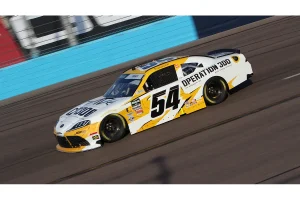
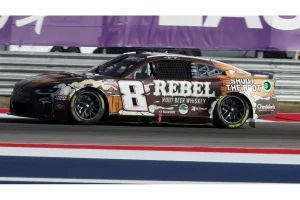
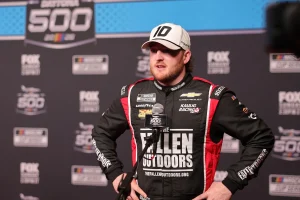
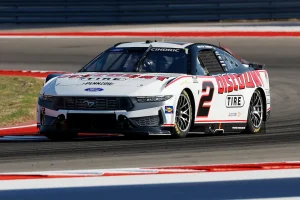
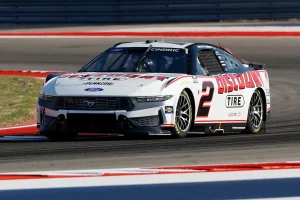
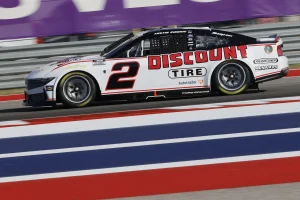
Richard Childress Racing entered a new competitive phase with the emergence of Austin Dillon as the organization’s primary Cup Series driver. Dillon, the grandson of Richard Childress, brought the iconic No. 3 back to Victory Lane in the 2018 Daytona 500, continuing the legacy established by Dale Earnhardt decades earlier. The current roster features Dillon in the No. 3 Chevrolet Camaro ZL1 and Austin Hill in the No. 33, representing a blend of established talent and organizational continuity. In the O’Reilly Auto Parts Series, RCR fields multiple entries including Jesse Love in the No. 2, Dillon part-time in the No. 3, Hill in the No. 21, and Cleetus McFarland in the No. 33.
Under the leadership of President Mike Verlander, RCR continues to invest in infrastructure improvements at its Welcome, North Carolina headquarters. The organization maintains a technical alliance with Hendrick Motorsports focused on engine research and development, representing a collaboration between two of NASCAR’s premier teams. RCR also provides engines and technical support to affiliated teams including Big Machine Racing, Jordan Anderson Racing, and Viking Motorsports in the O’Reilly Series. This alliance network extends RCR’s competitive reach while generating additional revenue through technical partnerships. ECR Engines continues as a wholly owned subsidiary, building powerplants for multiple Cup Series teams and achieving eight consecutive IMSA WeatherTech SportsCar Engine Manufacturers Championships from 2012 through 2018.
Philosophy and Competitive Strengths
Richard Childress Racing’s competitive identity centers on engineering excellence, thorough preparation, and strategic race execution. The organization has long prioritized vehicle reliability and consistent performance across long races, developing a reputation for teams that are never out of contention even when not leading. RCR’s technical staff emphasizes data analysis and simulation to optimize race strategies, while maintaining the flexibility to adapt quickly when circumstances change during events. The organization’s driver development program has proven particularly effective, producing multiple Cup Series champions and establishing a pipeline of talented competitors who understand the RCR operational philosophy.
Key Milestones and Major Moments
Richard Childress Racing has accumulated numerous landmark achievements throughout its history, including six NASCAR Cup Series championships, 15 total championships across all NASCAR national series, and 264 race victories. The team won the Daytona 500 three times in 1998 with Dale Earnhardt, in 2007 with Kevin Harvick, and in 2018 with Austin Dillon. RCR has qualified at least one car for every NASCAR Cup Series race since 1972, the longest such active streak in the sport. The No. 3 car achieved the 100th NASCAR victory for that numberplate in 2013, and ECR Engines secured five overall wins at the Rolex 24 At Daytona in 2014 and 2017 through 2020.
Richard Childress Racing Achievements and Results
Richard Childress Racing has established itself as one of the most accomplished organizations in NASCAR history, with verified results spanning multiple decades and series. The team’s 15 total championships and 264 victories reflect consistent competitive excellence across various categories of stock car racing. RCR’s success has come with multiple driver lineups and through significant changes in NASCAR regulations and technology, demonstrating the organization’s ability to adapt while maintaining championship-level performance.
NASCAR Cup Series Achievements
Richard Childress Racing’s NASCAR Cup Series record includes 6 championships and 118 victories through January 2026, along with 58 pole positions. The championship haul represents all titles won with driver Dale Earnhardt during the most dominant era in RCR history. The team’s Cup Series victories include three Daytona 500 wins, with the 1998 victory carrying particular emotional weight as the first win for RCR following Earnhardt’s career. RCR has maintained competitive relevance in the Cup Series through multiple generations of drivers and competition formats.
O’Reilly Auto Parts Series Achievements
In the O’Reilly Auto Parts Series (formerly Busch Series and Nationwide Series), Richard Childress Racing has accumulated 6 championships and 105 victories along with 92 pole positions through January 2026. The team won O’Reilly Series titles in 2001, 2006, 2008, 2013, 2019, and 2025, demonstrating sustained excellence in development series competition. These results reflect RCR’s commitment to driver development, as many of its championship runs featured drivers who later achieved success in the Cup Series.
Camping World Truck Series Achievements
Richard Childress Racing captured 2 championships and 31 victories in the Camping World Truck Series along with 39 pole positions. The team’s Truck Series program produced notable drivers including Mike Skinner, who won the inaugural series championship in 1995, and Austin Dillon, who claimed the 2011 title. RCR’s 220 Truck Series race entries provided development opportunities for multiple drivers who advanced to higher competition categories within the NASCAR hierarchy.
ARCA Racing Series Achievements
Richard Childress Racing earned 1 championship and 10 victories in the ARCA Racing Series along with 10 pole positions. The ARCA program served as an entry point for several drivers who later competed in RCR’s higher-level national series teams. Austin Dillon won the 2011 ARCA championship with seven wins and seven pole positions, demonstrating the competitive capabilities of RCR’s development pipeline. The ARCA program also provided opportunities for team partnerships with Kevin Harvick Incorporated and other affiliated organizations.