
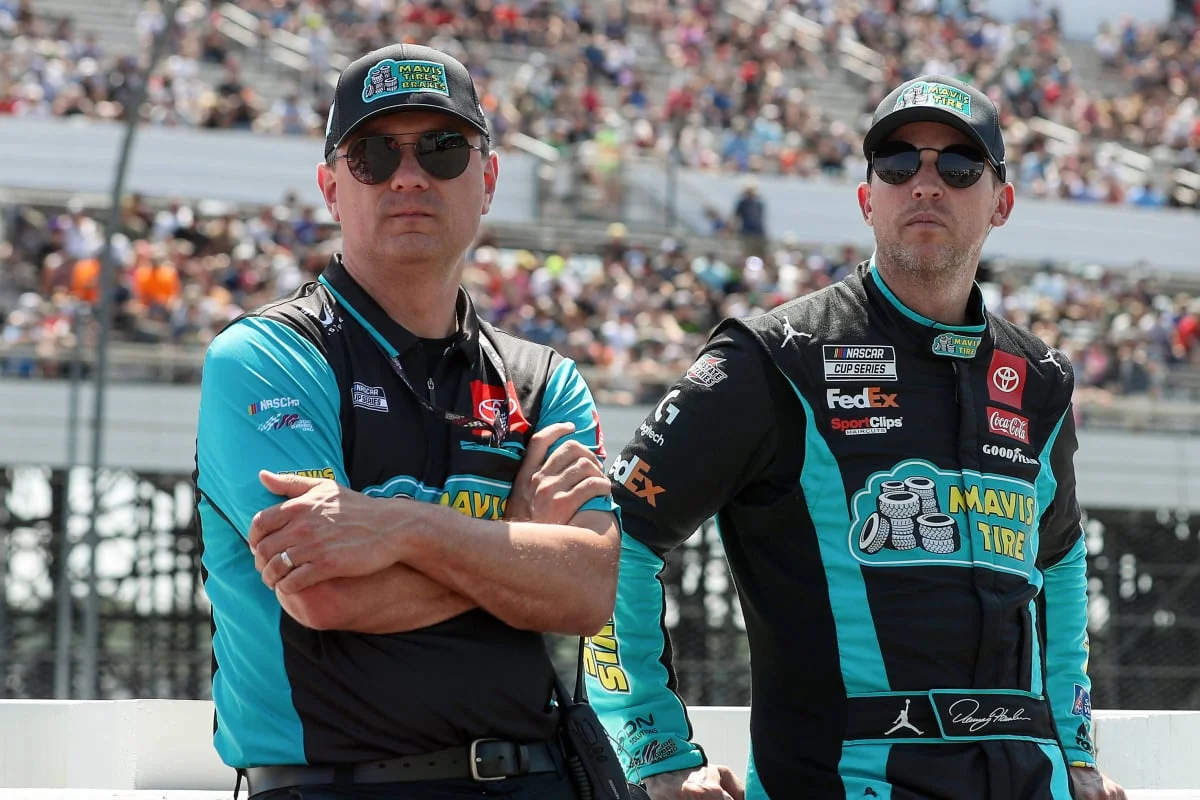
Chase Briscoe, a leading driver for Joe Gibbs Racing NASCAR, recently expressed skepticism about the widespread excitement surrounding superspeedway racing after finishing second at the Autotrader 400 held at EchoPark Speedway in Atlanta. Despite the common view that tracks like Daytona and Talladega represent the peak of thrilling NASCAR action, Briscoe highlighted a different experience at Atlanta that he found more engaging and enjoyable.
In a candid conversation with Peter Stratta after the race, Briscoe emphasized the intensity and constant activity at the Atlanta track as reasons for his preference. He contrasted this with his experience at Daytona and Talladega, describing superspeedway racing as less demanding from a driving skill perspective, even though he acknowledged that many fans find it exciting to watch.
This was one of the most dreamy place to go that’s because you are processing so much, and things are happening so fast. On top of that, Daytona, Talladega, from driving the car standpoint, you’re not doing a whole lot, you’re absolutely driving the car on that prerogative. So on that line, it is a lot of fun.
— Chase Briscoe, Joe Gibbs Racing NASCAR driver
Briscoe elaborated on his feelings about racing at the superspeedways, explaining that despite their reputation, they don’t offer the same level of enjoyment for him personally. He described the close racing and drafting at Daytona and Talladega as less appealing than the dynamic challenges faced at Atlanta’s speedway.
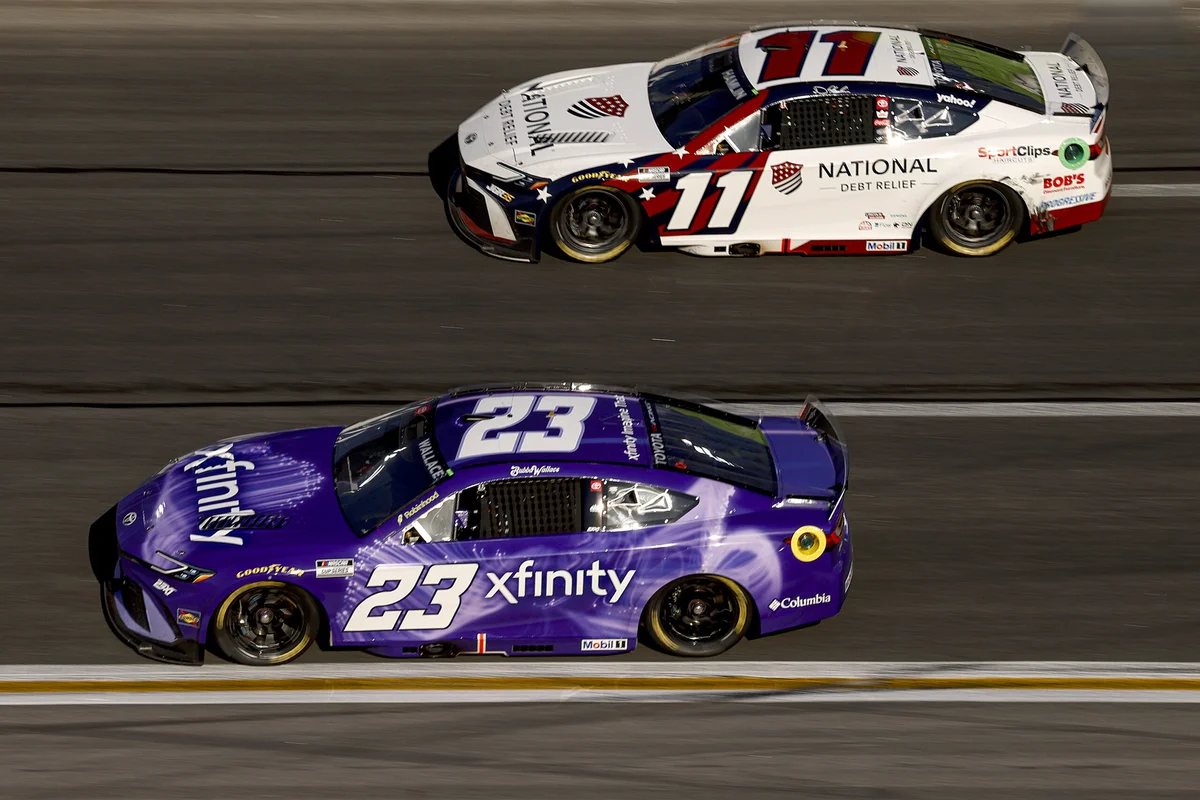
I don’t really enjoy going to Daytona or Talladega, but this is just fun. It’s like there’s hammer in the guy in front of you, making moves. Yeah, it’s a lot of fun to race, and I think it’s a lot of fun to watch but yeah, it’s just exciting for sure.
— Chase Briscoe, Joe Gibbs Racing NASCAR driver
Technical Differences Shape Driver Preferences Between Superspeedways and Speedways
The debates over racing styles between superspeedways and intermediate speedways often boil down to distinct driving techniques and risks. Superspeedways such as Daytona and Talladega are characterized by their long layouts exceeding 2.5 miles, where drivers spend most of the race at full throttle, relying heavily on drafting or bump drafting to maintain momentum. This style keeps the cars tightly packed, which increases the chances of large multi-car crashes, known colloquially as “The Big One.”
Conversely, intermediate speedways like Atlanta, Kansas, and Charlotte demand more focus on braking, throttle control, tire management, and selecting the optimal racing line. On these tracks, individual setups and driver skill can create clear separation early in the race. This contrast in challenges contributes to the varied opinions among drivers about which venues offer the most satisfying racing experience.
Austin Dillon Welcomes EchoPark Speedway’s New Layout as an Exciting Challenge
Before the race at EchoPark Speedway, Austin Dillon of Richard Childress Racing praised the recently repaved and reconfigured track for introducing a fresh dynamic to the NASCAR Cup Series schedule. The course’s banking was increased from 24 to 28 degrees, while the width in the turns and straights was narrowed, transforming what was formerly Atlanta Motor Speedway into a hybrid that blends speedway elements with superspeedway-style racing.
Dillon highlighted the balance between sheer speed and the increased significance of handling as the event progressed. He described the track as an unexpectedly fun challenge that requires adaptability from drivers as tire wear intensifies throughout the race.
It’s a cool style of racing,
Dillon remarked about EchoPark Speedway.
It’s a lot different than what we all envisioned a repave of EchoPark Speedway would be. It’s speedway racing, but with an important handling component. Handling is going to become more and more important as the track wears. I had a lot of fun in previous races there, even though we’ve been caught up in some messes.
— Austin Dillon, Richard Childress Racing driver
Race Results and Ongoing Competition at EchoPark Speedway
Tyler Reddick of 23XI Racing captured the win at the Autotrader 400, marking his second consecutive victory in the 2026 season. Chase Briscoe secured second place after a strong showing, while Ross Chastain completed the podium. Austin Dillon suffered a disappointing early end to his race due to a wreck on lap 256, resulting in a Did Not Finish (DNF) status.
The recent race at EchoPark Speedway underscored the evolving nature of the track and how it is reshaping competition strategies and driver attitudes toward superspeedway-type racing. Drivers are adjusting to the track’s blend of high speeds and technical handling demands, affecting race outcomes and driver preferences.
Broader Implications for Joe Gibbs Racing and NASCAR’s Future
Chase Briscoe’s comments inevitably spotlight the ongoing conversation around track design and driver engagement within the NASCAR community. His preference for the dynamic conditions at Atlanta suggests that not all drivers align with the popular enthusiasm for traditional superspeedways, which tend to dominate media attention and fan discussions. The divergence in driver perception could influence future scheduling, track renovations, or even rule changes aimed at enhancing race quality and driver satisfaction.
At the same time, the competitive performances by Joe Gibbs Racing stars like Briscoe and Tyler Reddick reinforce the team’s adaptability and strength across various track types. Their ability to excel on multiple surfaces and layouts strengthens their championship prospects in the fiercely competitive NASCAR Cup Series.
As NASCAR progresses through the 2026 season, fans and teams alike will continue monitoring how drivers respond to both classic superspeedway challenges and the growing prominence of reimagined speedway circuits, such as EchoPark Speedway. The balance between high-risk pack racing and strategic, skill-intensive contests remains central to NASCAR’s evolving appeal.
.@chasebriscoe was 2nd tonight and says it felt like a lot of fun from behind the wheel, unlike Daytona/Talladega he doesn’t enjoy a ton.
Briscoe also says the wind was an ever-changing factor greatly affecting handling all race. #NASCAR pic.twitter.com/2XXJfcynCA
— Peter Stratta (@peterstratta) February 23, 2026
