
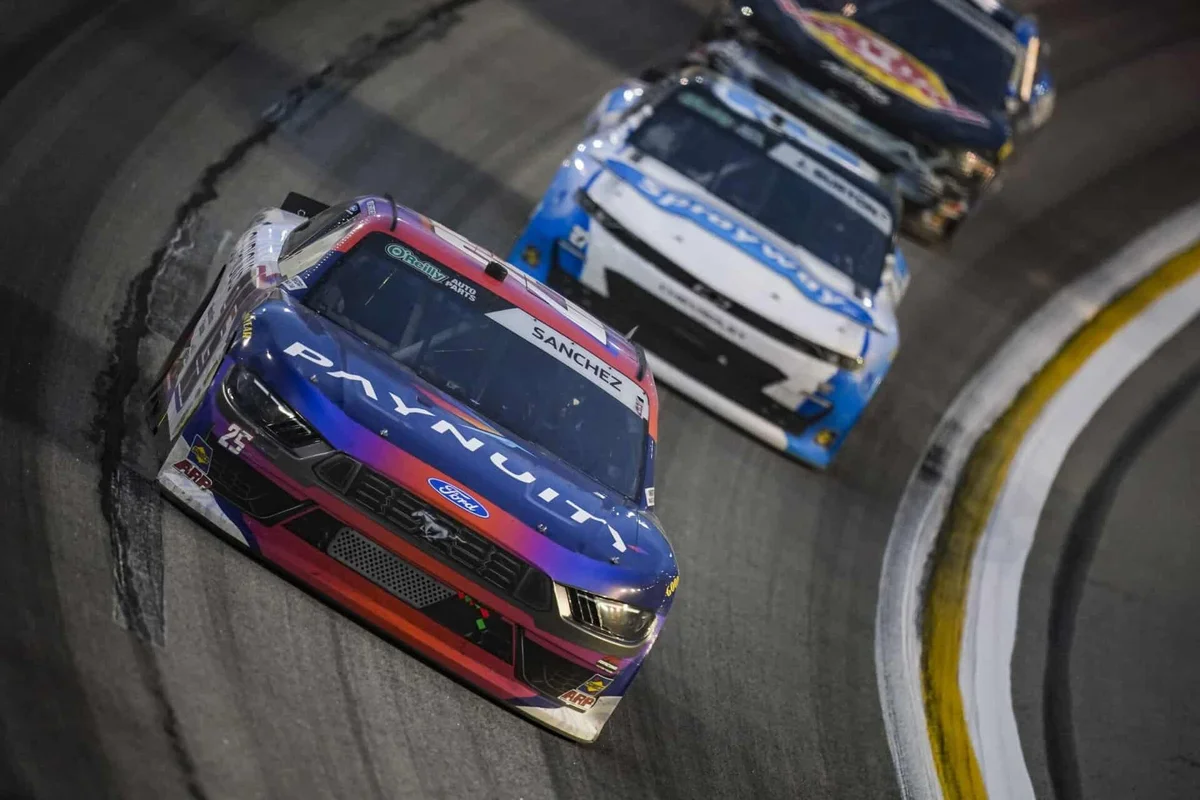
NASCAR hosts 36 races each season, predominantly on oval tracks, with four events held on road courses and one unique street race. The season culminates in a 10-race playoff series known as the Chase, which determines the champion. Tracks vary in length and style, including short tracks under 1 mile such as Martinsville Speedway, intermediate tracks between 1 and 2 miles found across many venues, superspeedways over 2 miles like Talladega Superspeedway, and road courses such as Circuit of the Americas.
Notable drivers like Shane Van Gisbergen compete fiercely at iconic locations such as Daytona International Speedway, showcasing the diversity and challenge of NASCAR’s racing calendar.
Understanding the Meaning Behind NASCAR Flags
NASCAR uses an array of colored flags to communicate track conditions and race status to drivers. A green flag signals the start or restart of a race, while a yellow flag indicates caution due to an incident, requiring drivers to slow down and hold position. A red flag stops the race completely, often due to major crashes or hazardous weather.
A white flag warns that just one lap remains, and the checkered flag marks the race’s end. More serious signals include the black flag, which instructs a driver to enter pit road for penalties due to infractions. A blue flag with a yellow stripe asks slower cars to let leaders pass, and red and yellow striped flags alert competitors to debris on road courses.
Essential NASCAR Terms Every New Fan Should Know
Within each NASCAR team, the crew chief serves as the head strategist and communicator, coordinating decisions between engineers, the pit crew, and the driver. The pit crew is a tightly orchestrated group of five individuals who perform rapid tire changes, refueling, and repairs during a pit stop, which usually lasts only about 10 seconds. Pit road, or pit lane, is the designated, speed-limited area where these stops occur.
Spotters play a vital role by observing the race from elevated positions around the track, relaying important information about other drivers and race conditions to their team. Tire conditions are described as “stickers” for new tires and “scuffs” for used ones, frequently referenced during race strategy discussions.
How the NASCAR Championship Format Operates
The NASCAR Championship, also known as The Chase, consists of the final 10 races of the season, where qualifying drivers compete for the overall title. This format heightens intensity and competition, demanding consistent performance and smart strategies from all teams and drivers, including emerging talents like Connor Zilisch and experienced participants such as Shane Van Gisbergen.
Why These Insights Matter for NASCAR Fans
Familiarity with track types, the significance of flag colors, key terminology, and the championship structure elevates the viewing experience for NASCAR enthusiasts. As fans understand how pit crews operate and recognize the importance of spotters and crew chiefs, they gain deeper appreciation for the teamwork behind every race. This NASCAR beginner’s guide enriches the connection between viewers and the sport, encouraging an informed following of drivers like Connor Zilisch and Shane Van Gisbergen at celebrated venues including Circuit of the Americas and Echo Park Speedway.
