
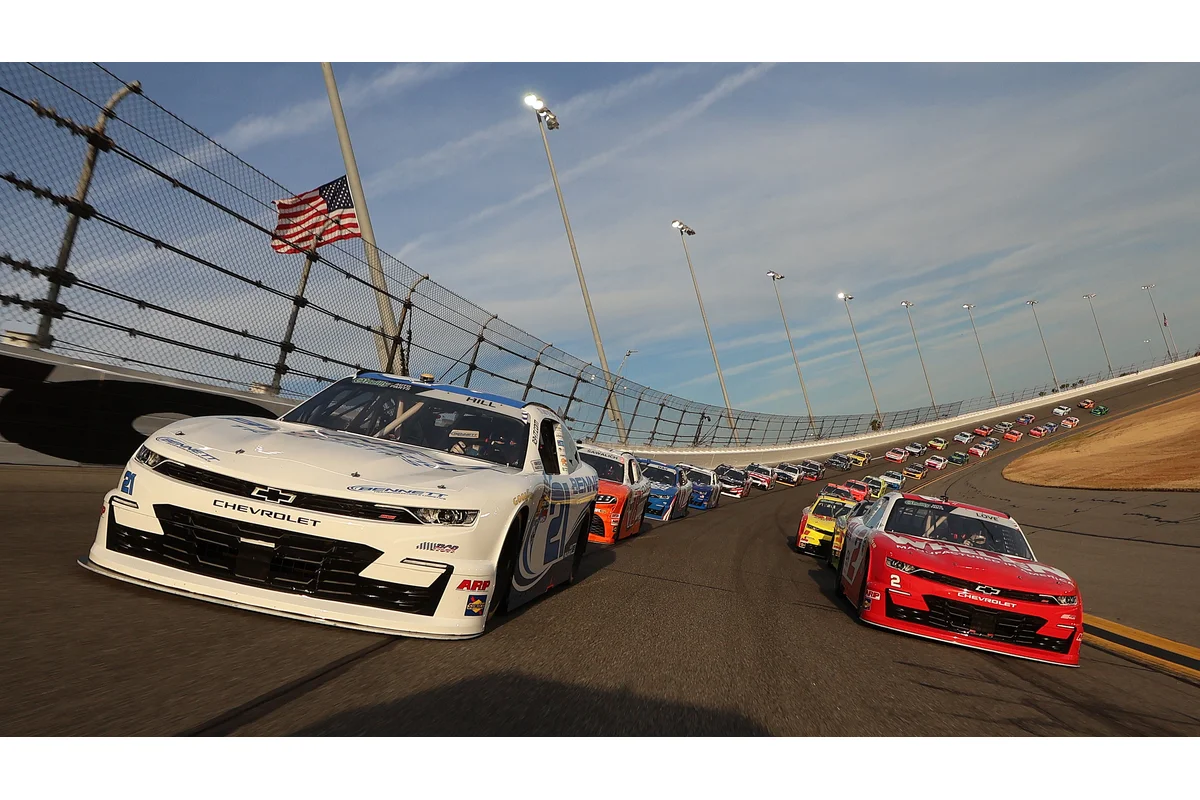
NASCAR is under intense scrutiny from fans and industry insiders after crashes involving Natalie Decker and Cleetus McFarland during the recent race weekend at Daytona International Speedway. The focus of the backlash is the sanctioning body’s process for approving drivers, as questions arise about whether both were adequately prepared for competition at this level.
Details of the Daytona Incidents Prompt Safety and Approval Discussions
Natalie Decker returned to racing in the Tier-2 series after limited participation over the last two seasons. In the United Rentals 300, she was running in the high lane when she collided with Sam Mayer. Observers debated whether there was enough room for Decker to avoid contact when Mayer drifted up the track. Decker’s comparatively modest record—seven lead-lap finishes in 46 national series starts—has led to increased scrutiny of her performance and readiness after the wreck.
Meanwhile, Cleetus McFarland, competing in his Truck Series debut, was involved in a crash just six laps into the race. Though he has some superspeedway experience from ARCA events and had recently finished near 11th despite a pit road issue, critics argued that his limited track time at the Truck Series level called his approval into question.
Comparisons to Past Driver Clearances Fuel Debate on NASCAR’s Approval Policies
The incidents sparked comparisons to Mike Wallace, who was denied clearance to race in the Daytona 500 last year after a prolonged absence from superspeedway events. Fans questioned why Decker was authorized for Tier-2 competition while Wallace was not allowed to compete in the Cup race. This discrepancy has intensified the discussion about consistency and safety standards in NASCAR’s approval process.
Industry Experts Voice Concerns Over Driver Readiness and Responsibility
Industry figures have entered the conversation to weigh in on the controversy. On a prominent racing podcast, spotter Freddie Kraft expressed doubts about both Decker’s and McFarland’s resumes, suggesting that NASCAR should be more cautious when granting race approvals. Kelley Earnhardt Miller responded publicly on social media to Decker’s remarks explaining the incident involving Mayer. Additionally, representatives from JR Motorsports backed Sam Mayer’s account, pointing out that Mayer’s car had already suffered significant damage at the moment of contact.
“Both drivers’ résumés raised concerns about readiness for Daytona, placing responsibility on NASCAR for granting approvals.” ?Freddie Kraft, Spotter
“Decker’s explanation of the Mayer incident was met with responses highlighting the damage to Mayer’s car at the time.” ?Kelley Earnhardt Miller, NASCAR Figure
Dale Earnhardt Jr. Highlights the Need for Experience While Acknowledging Daytona’s Challenges
Dale Earnhardt Jr. provided a balanced perspective on McFarland’s situation, noting that crashes can happen to any driver at Daytona, a notoriously difficult track. He emphasized that gaining more racing experience would benefit McFarland’s development and perhaps help avoid similar incidents in the future.
“Daytona incidents can happen to any driver while suggesting additional racing experience would benefit his development.” ?Dale Earnhardt Jr., Former NASCAR Driver
Future of the NASCAR Driver Approval Process Remains Uncertain
As of now, NASCAR has not introduced any changes to its driver approval policies. Both Decker and McFarland continued to compete during the Daytona race weekend despite the incidents. The ongoing debate within the racing community highlights the need for clarity and potentially stricter standards to ensure driver preparedness, safety, and consistent application of rules across all competition levels.
