
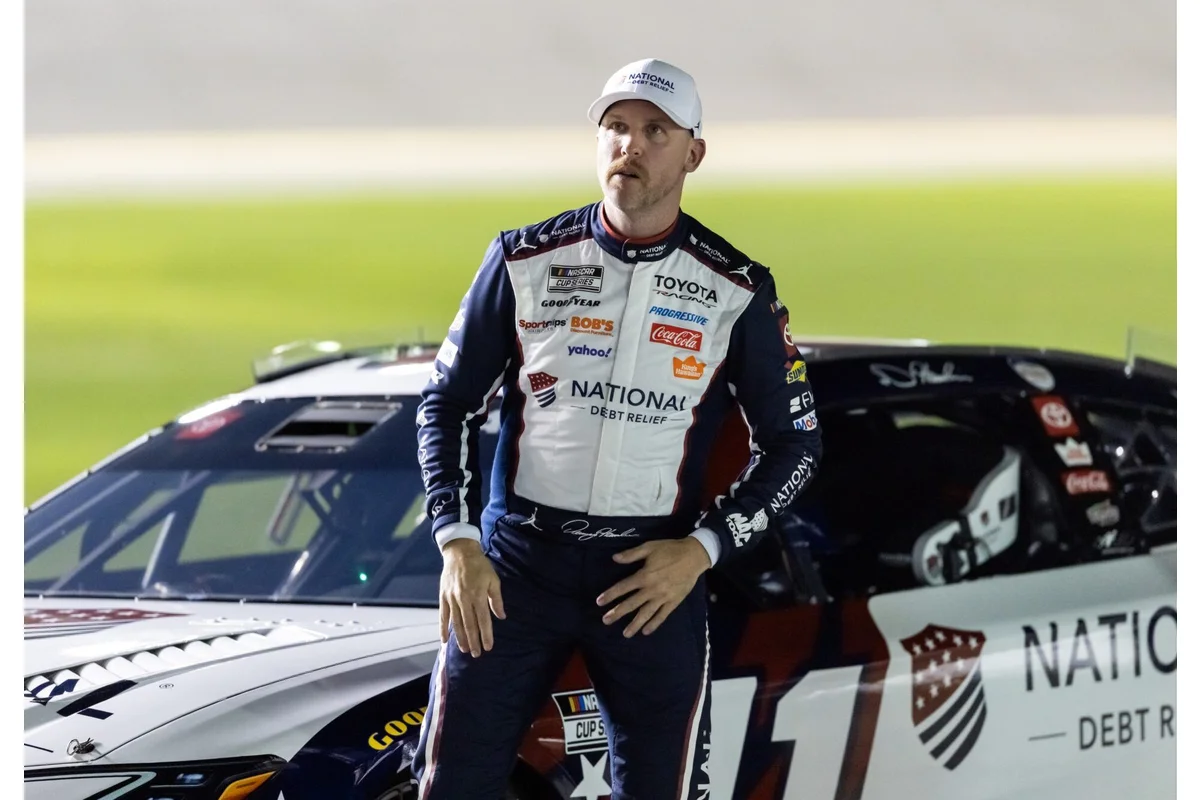
Denny Hamlin has openly criticized what he describes as “lawlessness” at the upcoming NASCAR events at Circuit of the Americas (COTA), highlighting ongoing challenges in enforcing track limits. As NASCAR prepares for this weekend’s races, the organization has introduced course changes and stricter rule enforcement to reduce incidents tied to drivers crossing track boundaries.
In response to continued disputes over track limits during last year’s Cup and O’Reilly Series races at COTA, NASCAR confirmed enhanced monitoring zones, particularly around Turn 6. To deter drivers from exploiting parts of the course, tire barriers will be installed at Turns 6 and 19. These adjustments aim to discourage shortcuts and improve fairness on the road course.
Insights from Hamlin on Driving Ethics and Aggressive Positioning
During an interview with PNR, Hamlin addressed the behavior of drivers entering Turn 1 at COTA, noting that many competitors, including himself, focus on gaining the best position regardless of the effect on others in the tight corners. He explained that this approach often leads to unseen “collateral damage” among drivers, contributing to a lawless atmosphere.
“I don’t know if there is any [ethics]. … I think everyone has the mentality and I’m guilty of it too, is you go in there and you try to position your car. That is whatever best for yourself. Now, there’s collateral damage that goes on way out on the right side of you that you never see. And so it’s kind of out of sight out of mind,” Denny Hamlin said.
“I think most drivers have that mentality is that, well, ‘I didn’t hit the person necessarily in front of me.’ Not realizing that you probably jammed it in on three guys that are on the outside of ou. And there’s some collateral damage there. So it’s easy to have a little bit of that lawlessness with less repercussions at turn one at COTA than than probably any corner that we’ve got on our schedule.”
Hamlin’s remarks underscore a broader problem with regulating driver conduct in high-pressure racing segments, particularly on the demanding layout of COTA.
Technological Enhancements to Improve Rule Enforcement at COTA
To address the issue, NASCAR will employ new camera technology designed to monitor specific track boundaries, triggering alerts when cars cross predefined limits. Trackside officials will review these alerts from the officiating booth to make real-time decisions aimed at reducing violations and maintaining a fair competition environment.
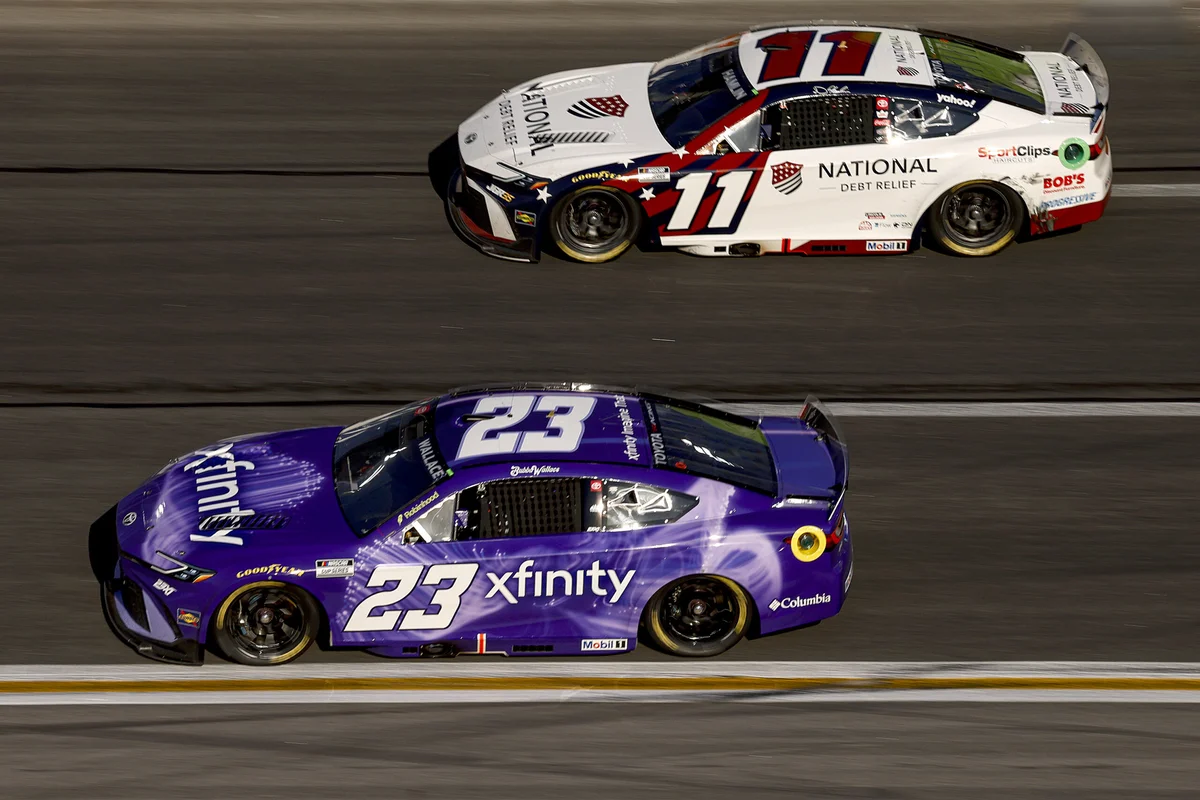
The NASCAR Cup Series race at COTA is scheduled to begin at 3:30 p.m. on Sunday, March 1, drawing significant attention ahead of the intensified scrutiny on track behavior and race conduct.
Hamlin’s Sarcastic Response to New NASCAR All-Star Race Format
In addition to his comments on COTA, Denny Hamlin responded with sarcasm to NASCAR’s recent adjustments to the All-Star Race format set for Dover Motor Speedway. The revised event will now split into three parts: two brief segments of 75 laps each, followed by a final 200-lap segment, determining the race winner from the remaining cars after the initial stages.
Hamlin expressed criticism on social media, suggesting the format prioritizes spectacle over authentic racing competition.
“Drivers who fail to qualify will also be presented participation metals on the front stretch after the conclusion of stage 2,” Denny Hamlin wrote on X.
This year, NASCAR has eliminated the All-Star Open qualifying race. Instead, all NASCAR Cup Series drivers will participate in qualifying, with the field narrowing to 26 cars for the concluding 200-lap segment based on combined results from the opening stages.
Implications of NASCAR’s Changes and Hamlin’s Commentary
Hamlin’s blunt assessment of “lawlessness” in driver conduct at COTA and his mockery of the All-Star Race modifications highlight tensions within the sport regarding fairness, enforcement, and race presentation. NASCAR’s technological updates and course modifications suggest the organization is actively responding to concerns about rule violations, aiming to provide clearer boundaries and more consistent officiating.
The coming races will serve as crucial tests for these changes, potentially shaping how aggressive driving is managed and how race formats evolve to balance competition with entertainment. As a seasoned driver and outspoken critic, Hamlin’s views reflect wider sentiments among competitors, emphasizing the ongoing struggle to regulate conduct in high-stakes motorsport events.
Is it the most lawless turn in NASCAR? 🤠@dennyhamlin explains the ethics – or lack of – when it comes to racing into Turn 1 at @NASCARatCOTA ⚠️ pic.twitter.com/M5BqgoydDy
— PRN (@PRNlive) February 27, 2026
Drivers who fail to qualify will also be presented participation metals on the front stretch after the conclusion of stage 2. https://t.co/kHQVrsDmoR
— Denny Hamlin (@dennyhamlin) February 25, 2026
